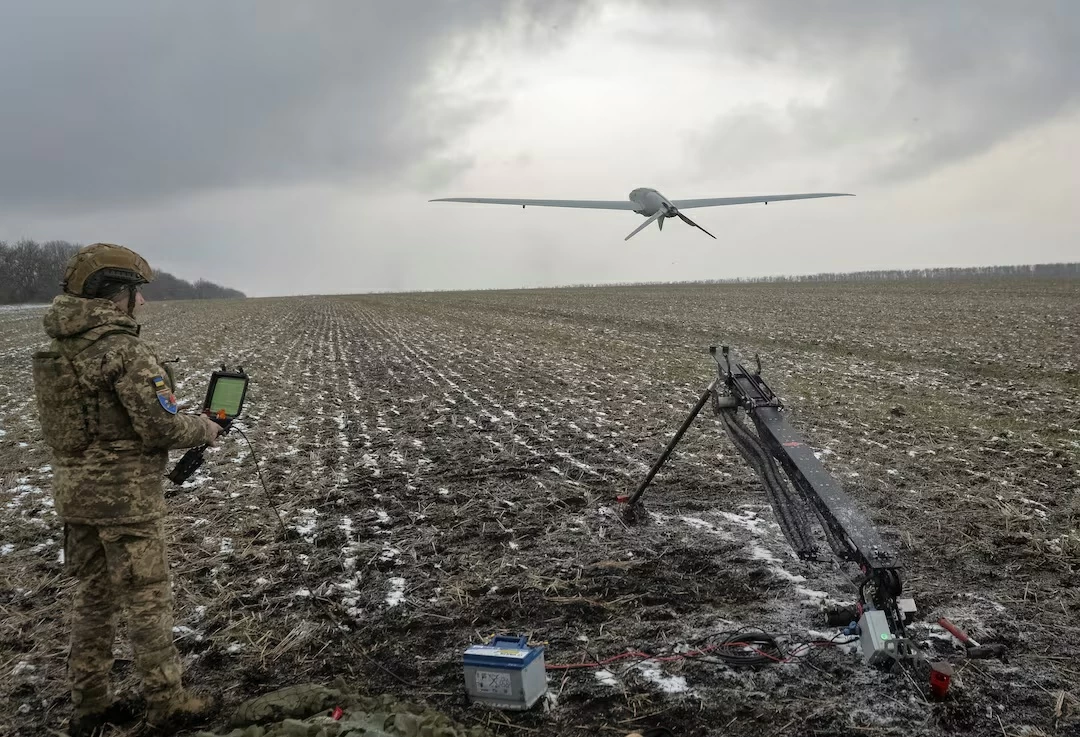
صعّدت كييف هجماتها على منطقتي بلغورود وبريانسك الحدوديتين، رداً على الهجوم الروسي الذي استخدمت فيه صواريخ «أوريشنيك» الباليستية القادرة على حمل رؤوس نووية.
وأعلنت السلطات في بلغورود، اليوم (الإثنين)، مقتل شخصين جراء ضربات أوكرانية.
ولجأت أوكرانيا إلى نظام «ليما» المحلي في حربها الإلكترونية من أجل تعطيل وتغيير مسار الطائرات المسيّرة والصواريخ الروسية. ووفقاً لمجلة «بوليتيكو» الأمريكية، فإن أحد المطورين أوضح أن النظام يعمل عبر التداخل مع أنظمة توجيه الأسلحة القادمة، على عكس أنظمة الدفاع الجوي التقليدية التي تعتمد على تدمير التهديدات بالاصطدام.
وأشار إلى أن نظام «ليما» يعمل على تشويش إشارات الملاحة عبر الأقمار الصناعية وتزويرها، ما يؤدي إلى انحراف الأسلحة الروسية عن مسارها.
وقد جرى تطبيق هذا النظام بشكل متزايد ضمن بنية الدفاع الأوكرانية، بعد تطويره من قبل شركة «كاسكيد سيستمز» الناشئة في مجال الدفاع المسجلة في الولايات المتحدة.
وفي حال حجب إشارات الأقمار الصناعية، يمكن للأسلحة الروسية بعيدة المدى أن تواصل تحليقها باستخدام أنظمة الملاحة الذاتية، لكن دقتها قد تنحرف بنحو كيلومترين لكل 100 كيلومتر تقطعها، ما يقلل من احتمالية إصابتها لأهدافها.
وأوضح المطور ألكيميست: «عندما يتم تشغيل نظام ليما، فإنه يزيد من انحراف الصواريخ بشكل أكبر»، مضيفاً: «نستخدم تقنية التضليل واستبدال الإحداثيات بمسافة عدة كيلومترات، وهذا يمكننا من جعل صواريخهم تسقط في الحقول بدلاً من إصابة أهدافها».
وأفادت مجلة «بوليتيكو» أن العديد من أجهزة التشويش التكتيكية الأخرى تعمل إلى جانب نظام «ليما»، ما يمكنه من تغطية مساحات واسعة من الأراضي وحماية البنية التحتية الحيوية. وبحسب المجلة، فإن تكلفة إنتاج كل وحدة تصل إلى 3 ملايين هريفنيا (نحو 58 ألف يورو)، حسب الإصدار.
وذكرت الشركة المطورة أن حماية مدينة كبرى تتطلب ما بين 30 و100 وحدة، أي نحو 5 ملايين يورو، وهو ما يعادل تقريباً تكلفة صاروخ واحد من طراز «باتريوت».
وبدأ الجيش الأوكراني استخدام هذا النظام في يوليو 2024، بعد أن قامت شركة «كاسكيد» بتوريد أكثر من 400 وحدة من طراز «ليما»، قبل أن يتم توسيع نطاق استخدامه لاحقاً ليشمل الدفاع عن البنية التحتية المدنية في أكتوبر 2025.
Kyiv has intensified its attacks on the border regions of Belgorod and Bryansk in response to the Russian attack that utilized "Orishnik" ballistic missiles capable of carrying nuclear warheads.
Authorities in Belgorod announced today (Monday) that two people were killed due to Ukrainian strikes.
Ukraine has resorted to the local "Lima" system in its electronic warfare to disrupt and redirect Russian drones and missiles. According to the American magazine "Politico," one of the developers explained that the system works by interfering with the guidance systems of incoming weapons, unlike traditional air defense systems that rely on destroying threats through collision.
He noted that the "Lima" system jamming and spoofing navigation signals via satellites, causing Russian weapons to deviate from their intended path.
This system has been increasingly implemented within the Ukrainian defense architecture after being developed by the defense startup "Cascade Systems," registered in the United States.
If satellite signals are jammed, long-range Russian weapons can continue to fly using autonomous navigation systems, but their accuracy may deviate by about two kilometers for every 100 kilometers traveled, reducing the likelihood of hitting their targets.
The developer Alchemist explained: "When the Lima system is activated, it increases the deviation of the missiles even further," adding: "We use deception technology and replace the coordinates by several kilometers, which allows us to make their missiles fall in fields instead of hitting their targets."
Politico reported that several other tactical jamming devices operate alongside the "Lima" system, enabling it to cover large areas of land and protect critical infrastructure. According to the magazine, the production cost of each unit reaches 3 million hryvnias (about 58 thousand euros), depending on the version.
The developing company stated that protecting a major city requires between 30 and 100 units, which amounts to about 5 million euros, roughly equivalent to the cost of a single Patriot missile.
The Ukrainian army began using this system in July 2024, after "Cascade" supplied more than 400 units of the "Lima" model, before its use was later expanded to include the defense of civilian infrastructure in October 2025.