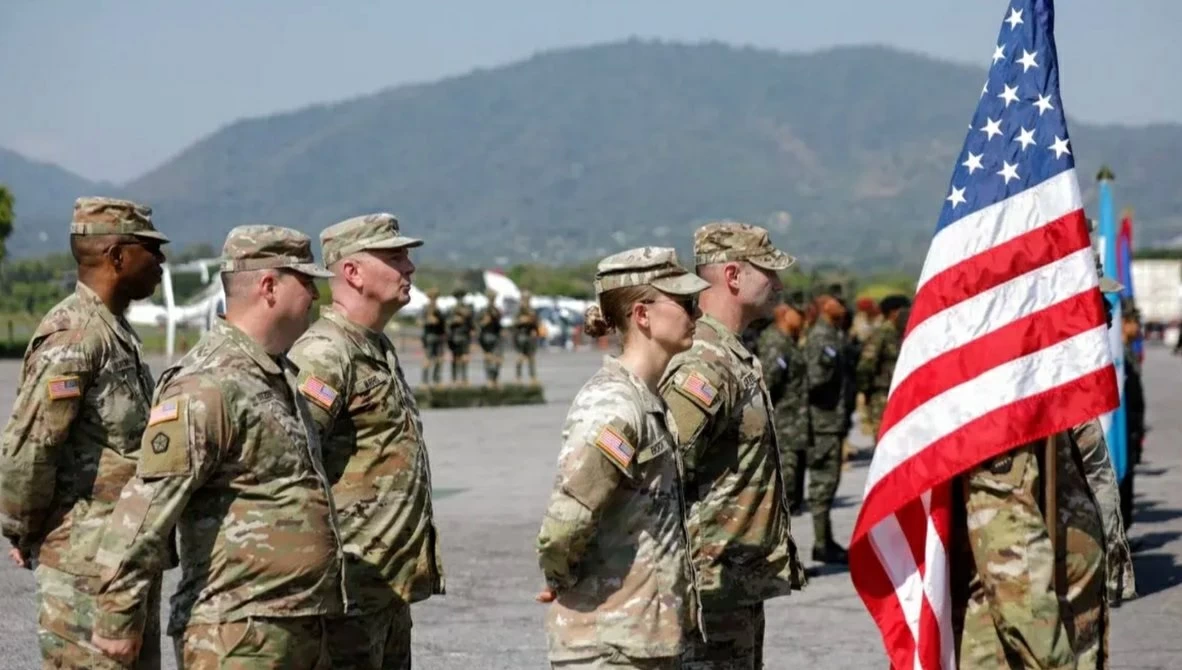
وسط دعوات أوروبية متزايدة لتعزيز القدرات الدفاعية وتقليل الاعتماد على الولايات المتحدة، تتزايد مؤشرات القلق داخل حلف الناتو بشأن مستوى التنسيق مع واشنطن.
وقال وزير الخارجية البولندي رادوسواف سيكورسكي إن الخلافات الأخيرة بين أوروبا والولايات المتحدة تعود إلى «سوء تواصل»، مؤكداً في حديثه لمجلة «بوليتيكو» أن الأمور تبقى طبيعية طالما انتهت بشكل إيجابي، واصفاً ما حدث بأنه «عثرة مؤقتة».
غير أن التطورات المتسارعة في الموقف الأمريكي، بدءاً من قرار وزير الدفاع الأمريكي بيت هيغسيث بإلغاء نشر 4 آلاف جندي في بولندا، ثم تراجع الرئيس الأمريكي دونالد ترمب عن القرار لاحقاً عبر منصة «تروث سوشيال»، أثارت حالة من الارتباك في وارسو.
وبحسب تقارير المجلة، فإن هذا التضارب في المواقف الأمريكية انعكس على شكل صدمة سياسية ونفسية داخل بولندا، في ظل غياب وضوح مسبق حول القرارات.
في المقابل، رحب الأمين العام لحلف الناتو مارك روته بإعلان واشنطن إرسال 5 آلاف جندي إضافي إلى بولندا، مؤكداً استمرار الدور الأمريكي كركيزة أساسية في دفاع القارة الأوروبية، رغم صعوبة التنبؤ بالسياسات الأمريكية أخيراً.
ويرى الرئيس التشيكي بيتر بافيل أن جوهر المشكلة لا يتعلق بالانسحابات نفسها، بل بغياب التنسيق المسبق، مشيراً إلى أن الحلفاء لم يعودوا يتلقون الإشعارات المعتادة حول تغييرات الانتشار العسكري الأمريكي.
كما وصف وزير الدولة في الرئاسة البولندية مارسين بريزداتش التواصل الصادر من واشنطن بأنه «غير منظم»، في وقت تؤكد فيه بولندا التزامها برفع الإنفاق الدفاعي إلى 5% من الناتج المحلي ضمن معايير الناتو.
Amid increasing European calls to enhance defense capabilities and reduce reliance on the United States, concerns are growing within NATO about the level of coordination with Washington.
Polish Foreign Minister Radosław Sikorski stated that recent disagreements between Europe and the United States stem from "poor communication," emphasizing in an interview with Politico that things remain normal as long as they end positively, describing what happened as a "temporary setback."
However, the rapid developments in the U.S. stance, starting with Defense Secretary Pete Hegseth's decision to cancel the deployment of 4,000 troops to Poland, followed by President Donald Trump's later reversal of the decision via the Truth Social platform, have caused confusion in Warsaw.
According to reports from the magazine, this inconsistency in U.S. positions has resulted in a political and psychological shock within Poland, amid a lack of prior clarity regarding the decisions.
In contrast, NATO Secretary General Mark Rutte welcomed Washington's announcement of sending an additional 5,000 troops to Poland, affirming the continued U.S. role as a cornerstone in the defense of the European continent, despite the difficulty in predicting U.S. policies lately.
Czech President Petr Pavel believes that the essence of the problem does not relate to the withdrawals themselves, but to the absence of prior coordination, pointing out that allies are no longer receiving the usual notifications regarding changes in U.S. military deployments.
Additionally, Polish State Minister in the Presidency Marcin Przydacz described the communication coming from Washington as "disorganized," while Poland reaffirms its commitment to raising defense spending to 5% of GDP in line with NATO standards.