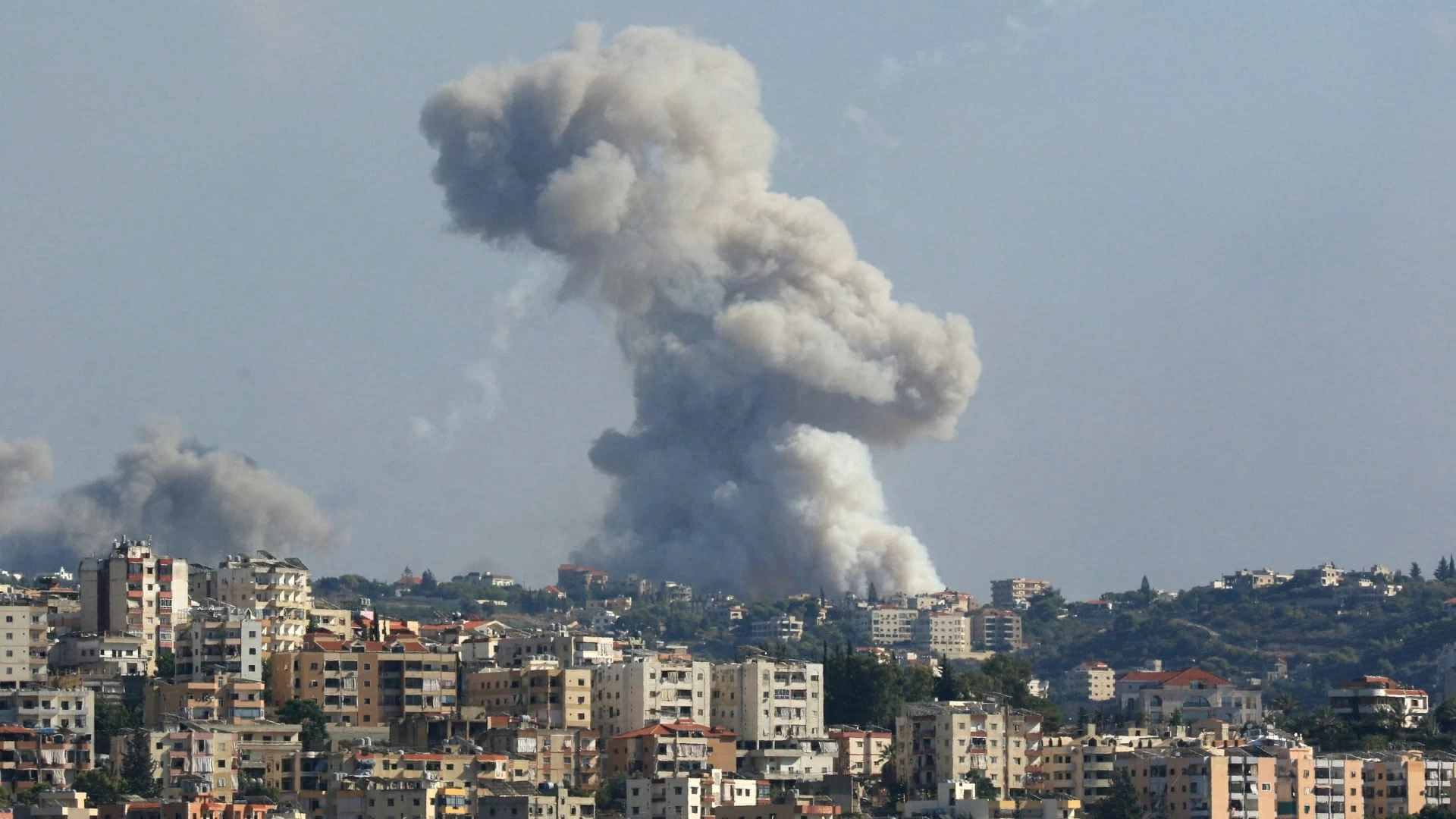
وسط قلق إسرائيلي متزايد من بنود مذكرة التفاهم، تقترب الولايات المتحدة وإيران من اتفاق محتمل لإنهاء الحرب، قد يمتد ليشمل لبنان التي لا تزال تل أبيب تواصل هجماتها على مواقع حزب الله أحد حلفاء إيران في المنطقة.
وأكدت وسائل إعلام إيرانية أن مسودة مذكرة التفاهم المرتقبة بين الولايات المتحدة وإيران تتضمن إنهاء الحرب الإسرائيلية على لبنان. وبحسب مسؤول إسرائيلي، فإن رئيس الوزراء الإسرائيلي بنيامين نتنياهو أعرب عن قلقه من هذا البند خلال اتصال هاتفي مع الرئيس الأمريكي دونالد ترمب أمس، إضافة إلى مخاوف أخرى بشأن الاتفاق.
اتصال نتنياهو وترمب
وأوضح المسؤول الإسرائيلي أن نتنياهو عرض موقفه باحترام ومن دون مواجهة، وهو ما أكده ترمب، الذي قال إنه أجرى مع نتنياهو اتصالاً سار بشكل جيد للغاية.
بدوره، نقل موقع «أكسيوس» عن مسؤول أمريكي قوله إن الاتفاق لن يكون وقفاً لإطلاق النار من جانب واحد، موضحاً أنه إذا حاول حزب الله إعادة التسلح أو شن هجمات، فسيُسمح لإسرائيل بالتحرك لمنع ذلك.
وأضاف: «إذا التزم حزب الله، فستلتزم إسرائيل»، مبيناً أن لدى نتنياهو حساباته الداخلية، لكن ترمب يفكر في مصالح الولايات المتحدة والاقتصاد العالمي.
وفي الوقت ذاته، قال مصدران أمنيان إسرائيليان لصحيفة «نيويورك تايمز» إن إدارة ترمب همّشت إسرائيل بالكامل في المفاوضات مع إيران، مشيرين إلى أن تل أبيب لم تشارك في المحادثات التي سبقت وقف إطلاق النار، وعلمت بالتطورات عبر قنوات دبلوماسية واستخباراتية.
استبعاد إسرائيل من المفاوضات
واعتبر المصدران أن استبعاد إسرائيل من المفاوضات يشير إلى أن الولايات المتحدة لم تعد تُصر على إدراج ملف الصواريخ الباليستية الإيرانية ضمن الاتفاق.
ونقلت صحيفة «هآرتس» عن مصادر إسرائيلية قولها إن مسؤولين كباراً في المؤسسة الأمنية في تل أبيب يعتقدون أن القيادة الإيرانية تُضلّل فريق التفاوض الأمريكي، وسط مخاوف من أن يتجه ترمب إلى اتفاق مؤقت محدود مع إيران.
مخاوف إسرائيلية
وقال مسؤولون عسكريون وسياسيون في إسرائيل إنهم يفضلون العودة إلى القتال بدلاً من تثبيت وقف إطلاق النار، بهدف زيادة الضغط العسكري على إيران لدفعها إلى تقديم تنازلات، مؤكدين أن تل أبيب تتوقع من ترمب وفريقه التفاوضي الالتزام بتصريحاتهم، وعدم التراجع عن حل جوهري يضمن عدم قدرة إيران على تطوير سلاح نووي على المدى القريب.
وتخشى إسرائيل أنه إذا تم التوصل إلى اتفاق مرحلي لوقف إطلاق النار، فقد تجد واشنطن صعوبة لاحقاً في فرض ملف تخفيف أو تسليم مخزون إيران من اليورانيوم عالي التخصيب، كما سيكون استئناف القتال أكثر تعقيداً في ظل اتفاق غير مكتمل.
Amid growing Israeli concerns over the terms of the memorandum of understanding, the United States and Iran are nearing a potential agreement to end the war, which may extend to Lebanon, where Tel Aviv continues its attacks on Hezbollah, one of Iran's allies in the region.
Iranian media confirmed that the anticipated draft memorandum of understanding between the United States and Iran includes ending the Israeli war on Lebanon. According to an Israeli official, Israeli Prime Minister Benjamin Netanyahu expressed his concerns about this clause during a phone call with U.S. President Donald Trump yesterday, in addition to other worries regarding the agreement.
Netanyahu and Trump's Call
The Israeli official clarified that Netanyahu presented his position respectfully and without confrontation, which Trump confirmed, stating that his conversation with Netanyahu went very well.
For his part, Axios reported that a U.S. official said the agreement would not be a unilateral ceasefire, explaining that if Hezbollah attempts to rearm or launch attacks, Israel would be allowed to act to prevent that.
He added, "If Hezbollah complies, Israel will comply," indicating that Netanyahu has his internal calculations, but Trump is thinking about U.S. interests and the global economy.
At the same time, two Israeli security sources told the New York Times that the Trump administration has completely marginalized Israel in the negotiations with Iran, noting that Tel Aviv did not participate in the talks leading up to the ceasefire and learned about developments through diplomatic and intelligence channels.
Exclusion of Israel from the Negotiations
The sources considered that Israel's exclusion from the negotiations indicates that the United States is no longer insisting on including the issue of Iranian ballistic missiles in the agreement.
The Haaretz newspaper quoted Israeli sources saying that senior officials in the security establishment in Tel Aviv believe that the Iranian leadership is misleading the U.S. negotiating team, amid fears that Trump may head towards a limited temporary agreement with Iran.
Israeli Concerns
Military and political officials in Israel stated that they prefer to return to fighting rather than solidifying a ceasefire, aiming to increase military pressure on Iran to push it to make concessions, emphasizing that Tel Aviv expects Trump and his negotiating team to adhere to their statements and not to backtrack on a substantive solution that ensures Iran cannot develop a nuclear weapon in the near term.
Israel fears that if a temporary ceasefire agreement is reached, Washington may later find it difficult to enforce the issue of reducing or handing over Iran's stockpile of enriched uranium, and that resuming fighting would be more complicated under an incomplete agreement.