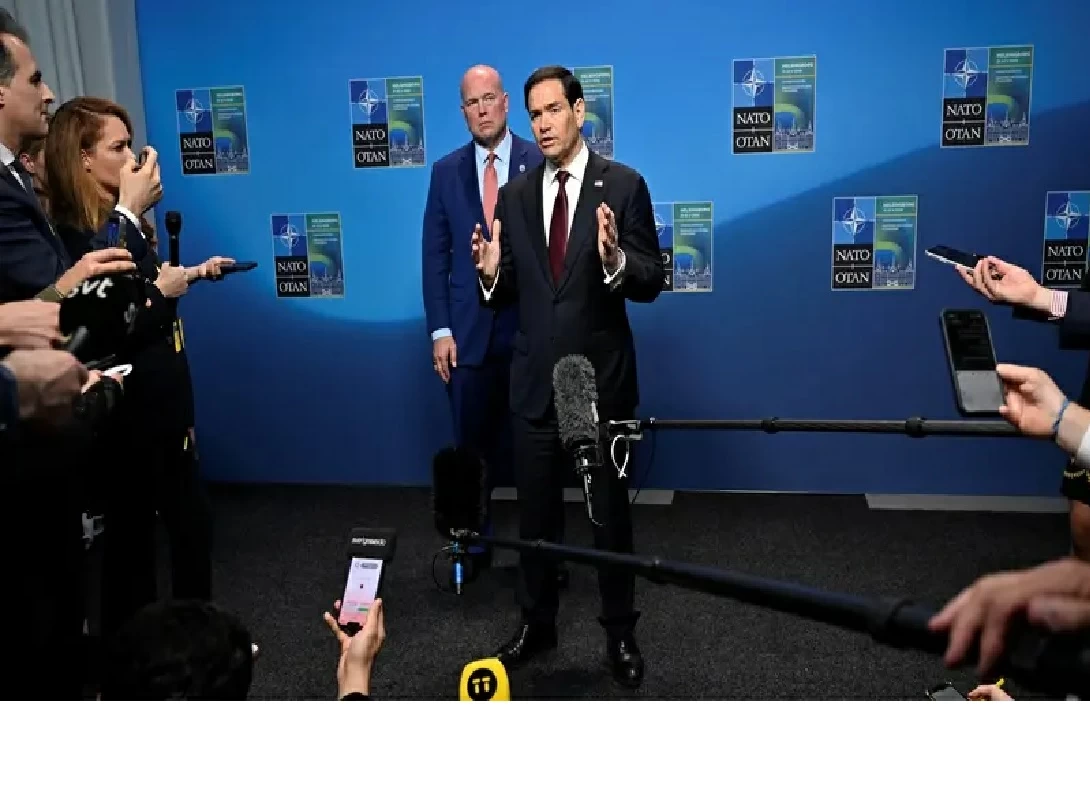
كشف وزير الخارجية الأمريكي ماركو روبيو عن وجود تقدم في المحادثات مع إيران، إلا أنه أكد عدم الوصول إلى نتيجة نهائية بعد.
وقال روبيو أن الجميع يرغب في التوصل إلى اتفاق مع إيران، مشدداً في الوقت نفسه على ضرورة وجود «خطة بديلة» في حال رفضت طهران إعادة فتح مضيق هرمز.
وأضاف روبيو في مؤتمر صحفي خلال مشاركته في اجتماع لوزراء خارجية الناتو في مدينة هلسينجبورج السويدية، اليوم(الجمعة): أن واشنطن ترغب في التوصل إلى تفاهم مع طهران، مضيفاً أن هناك بعض التقدم في المحادثات مع إيران لكنه أشار إلى عدم الوصول إلى نتيجة نهائية بعد.
وشدد على ضرورة أن تتخل إيران عن طموحاتها النووية، لافتا إلى أن الولايات المتحدة لا تريد أن يتسع نطاق الصراع بالشرق الأوسط.
وأفاد روبيو إن باكستان هي الوسيط الرئيسي في محادثات إيران، وقال «ننسق مع عدة دول بشأن إيران لكن إسلام آباد هي الوسيط الأساسي بالمحادثات».
وأعلن وزير الخارجية الأمريكي أنه لم يكن هناك طلب محدد للحصول على مساعدة من حلف شمال الأطلسي بشأن مضيق هرمز، مضيفاً «نعيد باستمرار تقييم وجود قواتنا بأوروبا».
تأتي تصريحات روبيو فيما يتوجه قائد الجيش الباكستاني عاصم منير إلى طهران اليوم الجمعة، وفق ما نقلت وكالة إرنا الإيرانية.
وكان الوزير الأمريكي أعرب أمس الخميس عن تفاؤل حذر بشأن الجهود الدبلوماسية لإنهاء الحرب مع إيران، قائلا قبل مغادرته لحضور اجتماع لحلف شمال الأطلسي«ناتو» في السويد إن هناك «مؤشرات جيدة». وأكد أن الرئيس الأمريكي دونالد ترمب يفضل تسوية تفاوضية.
وقدمت طهران هذا الأسبوع مقترحا جديدا للولايات المتحدة، لكن كان عبارة عن تكرارا لبنود سبق أن رفضها الرئيس دونالد ترمب من قبل، بما يشمل السيطرة على مضيق هرمز ودفع تعويضات عن أضرار الحرب وإلغاء كل العقوبات الأمريكية والإفراج عن كامل الأصول والأموال الإيرانية المجمدة في الخارج.
وسلم الوسيط الباكستاني قبل أيام قليلة الرد الأمريكي على هذا المقترح إلى طهران، التي أعلنت أمس أنها تعكف على دراسته.
U.S. Secretary of State Marco Rubio revealed that there has been progress in talks with Iran, but he confirmed that no final outcome has been reached yet.
Rubio stated that everyone wants to reach an agreement with Iran, while emphasizing the necessity of having a "backup plan" in case Tehran refuses to reopen the Strait of Hormuz.
Rubio added at a press conference during his participation in a NATO foreign ministers meeting in Helsingborg, Sweden, today (Friday): that Washington seeks to reach an understanding with Tehran, adding that there has been some progress in the talks with Iran, but he pointed out that no final outcome has been reached yet.
He stressed the need for Iran to abandon its nuclear ambitions, noting that the United States does not want the conflict in the Middle East to escalate.
Rubio stated that Pakistan is the main mediator in the Iran talks, saying, "We are coordinating with several countries regarding Iran, but Islamabad is the primary mediator in the discussions."
The U.S. Secretary of State announced that there was no specific request for assistance from NATO regarding the Strait of Hormuz, adding, "We are constantly reassessing our military presence in Europe."
Rubio's statements come as the Pakistani army chief Asim Munir heads to Tehran today, according to the Iranian news agency IRNA.
Yesterday, the U.S. Secretary expressed cautious optimism about diplomatic efforts to end the war with Iran, stating before departing for a NATO meeting in Sweden that there are "good signs." He confirmed that U.S. President Donald Trump prefers a negotiated settlement.
Tehran presented a new proposal to the United States this week, but it was merely a reiteration of terms that President Donald Trump had previously rejected, including control over the Strait of Hormuz, compensation for war damages, lifting all U.S. sanctions, and the release of all frozen Iranian assets and funds abroad.
The Pakistani mediator delivered the U.S. response to this proposal to Tehran a few days ago, which announced yesterday that it is studying the response.