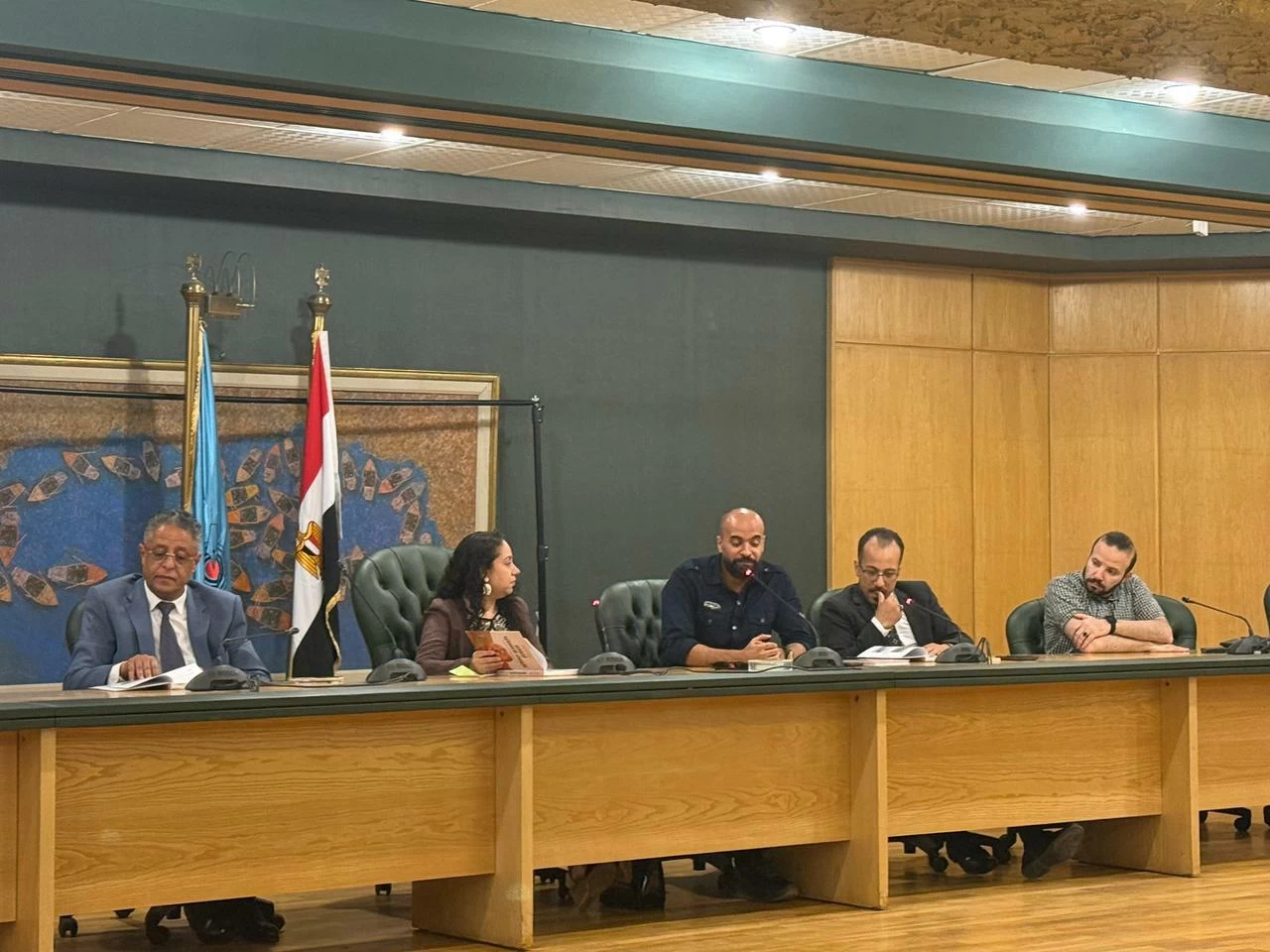
نظمت اللجنة الثقافية والفنية بنقابة الصحفيين المصريين حفل توقيع ومناقشة كتاب «ألغام اليمن السعيد.. رحلة على الخطوط الأمامية للجحيم» للكاتب الصحفي المصري حسين البدوي.
وفي الندوة التي حضرها دبلوماسيون ومثقفون وإعلاميون، وأدارتها الكاتبة الصحفية رانيا هلال، عرض المستشار الإعلامي للسفارة اليمنية بالقاهرة بليغ المخلافي، والكاتب الصحفي أحمد حسن العميد مكونات الكتاب وفصوله وما تضمنه من أرقام.
أجمع المتحدثون على أن الكتاب يمثل إضافة نوعية وثيقة الصلة بـ«أدب الصحافة الاستقصائية ومغامرات الحروب»؛ كونه يوثق عبر فصوله معايشة ميدانية بالغة الوعورة والخطورة خاضها المؤلف على خطوط النار الحية في الأراضي اليمنية. واستعرضت المناقشات المأساة المروعة لتأصيل كيف تحولت أجزاء شاسعة من اليمن إلى أكبر حقل ألغام يشهده العالم منذ الحرب العالمية الثانية. واستعرض المشاركون في الندوة القصص الإنسانية الدامية التي رصدها المؤلف لضحايا الألغام من المدنيين، لا سيما الأطفال والنساء والشيوخ الذين واجهوا هذا الخطر الخفي، كاشفة عن الوجه القاسي والممنهج لزراعة الألغام وتأثيراتها المدمرة العابرة للأجيال.
وفي مداخلته، أكد الكاتب الصحفي حسين البدوي أن كتابه ليس مجرد رصد صحفي عابر، بل هو «صرخة إنسانية مدوية» لتوثيق الجحيم الخفي الذي يتربص بالمدنيين، وتحية إجلال للجهود الميدانية الدؤوبة التي تسابق الزمن لتطهير الأرض. وفي مقدمة هذه الجهود، برز الدور الريادي للمشروع السعودي «مسام» لنزع الألغام - اليمن، حيث تعمل فرقه الهندسية على الأرض منذ منتصف 2018، وتمكنت حتى اليوم من انتزاع وتفكيك أكثر من 560 ألف لغم، وعبوة ناسفة، وذخيرة غير منفجرة، في ملحمة إنسانية يومية لإنقاذ أرواح الأبرياء.
وفي إجابته عن سؤال أحد المشاركين، استعاد البدوي لحظات التحدي الأولى قائلاً: «الخوف الحقيقي تملكني عند زيارتي الأولى لحقل ألغام في مدرسة (إبراهيم عقيل) بمحافظة تعز، وحينها اكتشف فريق نزع الألغام لغماً فردياً، فدفعتني الرغبة المهنية في التوثيق إلى الدخول وسط الحقل لمشاهدة الموت كامناً في الأرض قبل إبطال مفعوله».
وأكد البدوي أن العمل الصحفي في مناطق النزاع يغير العقيدة الإنسانية للمراسل: «الصحفي الذي يعايش مآسي الضحايا وذويهم ويتلمس آلامهم، يتجاوز حاجز الخوف الشخصي داخل حقول الموت الخفية؛ فالحقيقة الإنسانية تستحق المجازفة، شريطة الالتزام الصارم بقواعد السلامة الميدانية. إن واجبنا المهني يحتم علينا فضح هذه الجرائم البشعة، وترك وثائق حية للأجيال القادمة لتظل شاهدة على هذه الحقبة المأساوية من تاريخ اليمن، حتى بعد تطهير الأرض في السنوات القادمة».
من جانبه، أشاد المستشار بليغ المخلافي بالجسارة الميدانية للمؤلف، واصفاً الكتاب بأنه «كاشف جلي» لكارثة إنسانية ممتدة قد تلقي بظلالها على اليمن لعقود طويلة، ومشدداً على المسؤولية القومية للإعلام العربي في تعرية هذه الانتهاكات. ودعا المخلافي إلى سرعة ترجمة كتاب «ألغام اليمن السعيد» إلى الإنجليزية واللغات الحية الأخرى، لتقديم رواية توثيقية رصينة تخاطب الرأي العام الغربي، وتكشف أبعاد الجرائم الممنهجة التي ارتكبتها جماعة الحوثي أمام المجتمع الدولي.
وفي قراءة تحليلية للكتاب، فكك الكاتب الصحفي والخبير الأمني أحمد حسن العميد الأبعاد الإستراتيجية والعسكرية لزراعة الألغام بشكل عشوائي وكثيف في الأراضي اليمنية، مع تعمد حجب ورفض تسليم أي خرائط لها. وأوضح العميد أن القيمة المعلوماتية والاستقصائية للكتاب تمثل مرجعاً دقيقاً يخدم الباحثين وصناع القرار، مؤكداً أن معركة تطهير الأرض من الألغام وإبطال مفعولها لا تقل ضراوة ولا أهمية عن المعركة العسكرية الرامية لإعادة الأمن والاستقرار إلى «اليمن السعيد».
شهدت الأمسية في ختامها تفاعلاً واسعاً عبر فتح باب المداخلات والأسئلة لجموع الصحفيين والباحثين المهتمين بالشأن العربي.
The Cultural and Artistic Committee of the Egyptian Journalists' Syndicate organized a book signing and discussion event for the book "The Mines of Happy Yemen... A Journey on the Frontlines of Hell" by Egyptian journalist Hussein Al-Badawi.
During the seminar, attended by diplomats, intellectuals, and media professionals, and moderated by journalist Rania Helal, the media advisor to the Yemeni embassy in Cairo, Bilegh Al-Makhlafi, and journalist Ahmed Hassan Al-Ameed presented the components and chapters of the book, along with the statistics it contains.
The speakers agreed that the book represents a significant addition closely related to "investigative journalism and war adventures"; as it documents through its chapters an extremely challenging and dangerous field experience that the author underwent on the live fire lines in Yemeni territories. The discussions highlighted the horrific tragedy of how vast parts of Yemen have turned into the largest minefield the world has seen since World War II. Participants in the seminar shared the heartbreaking human stories documented by the author about mine victims, particularly children, women, and the elderly who faced this hidden danger, revealing the harsh and systematic nature of mine planting and its devastating effects that transcend generations.
In his remarks, journalist Hussein Al-Badawi emphasized that his book is not merely a fleeting journalistic account, but rather a "resounding humanitarian cry" to document the hidden hell that lurks around civilians, and a tribute to the tireless field efforts racing against time to clear the land. Among these efforts, the pioneering role of the Saudi project "Masam" for mine clearance in Yemen stands out, as its engineering teams have been working on the ground since mid-2018, managing to remove and dismantle more than 560,000 mines, explosive devices, and unexploded ordnance to save innocent lives in a daily humanitarian epic.
In response to a question from one of the participants, Al-Badawi recalled the initial moments of challenge, saying: "The real fear gripped me during my first visit to a minefield at the (Ibrahim Aqeel) school in Taiz governorate, when the mine clearance team discovered an individual mine. My professional desire to document pushed me to enter the field to witness death lurking in the ground before it was neutralized."
Al-Badawi affirmed that journalistic work in conflict areas changes the human conviction of the reporter: "A journalist who experiences the tragedies of victims and their families and feels their pain transcends the barrier of personal fear within the hidden fields of death; the human truth deserves the risk, provided there is strict adherence to field safety rules. Our professional duty compels us to expose these heinous crimes and leave living documents for future generations to witness this tragic era in Yemen's history, even after the land is cleared in the coming years."
For his part, advisor Bilegh Al-Makhlafi praised the author's field courage, describing the book as a "clear exposé" of an ongoing humanitarian catastrophe that could cast shadows over Yemen for decades, emphasizing the national responsibility of Arab media to expose these violations. Al-Makhlafi called for the swift translation of "The Mines of Happy Yemen" into English and other living languages, to provide a solid documentary narrative that addresses Western public opinion and reveals the dimensions of the systematic crimes committed by the Houthi group before the international community.
In an analytical reading of the book, journalist and security expert Ahmed Hassan Al-Ameed dissected the strategic and military dimensions of the random and dense planting of mines in Yemeni territories, with a deliberate attempt to withhold and refuse to deliver any maps of them. Al-Ameed explained that the informational and investigative value of the book serves as an accurate reference for researchers and decision-makers, affirming that the battle to clear the land of mines and neutralize them is no less fierce or important than the military battle aimed at restoring security and stability to "Happy Yemen."
The evening concluded with a wide interaction as the floor was opened for comments and questions from journalists and researchers interested in Arab affairs.