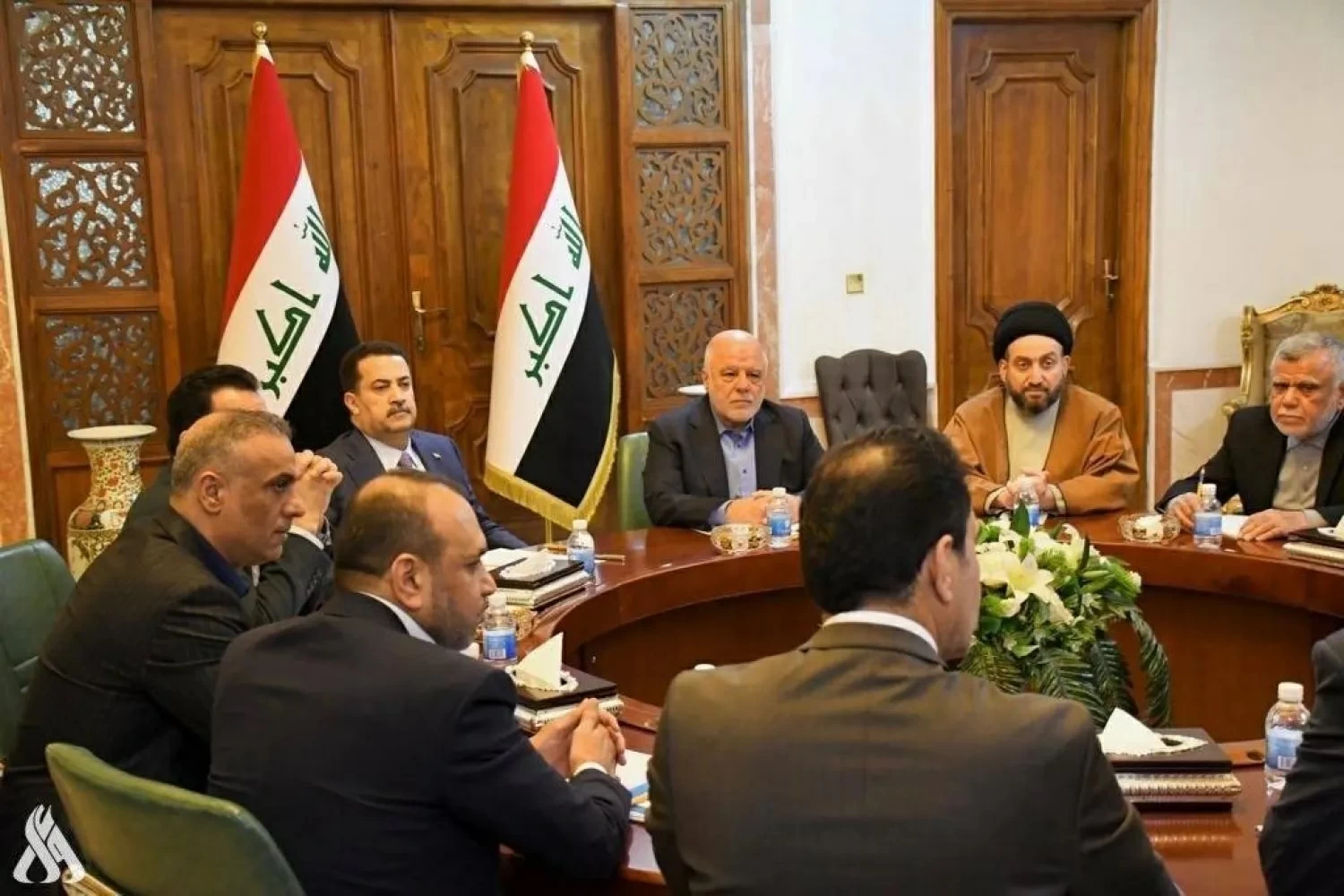
تسبب عدم منح البرلمان العراقي الثقة لعدد من الوزراء في الحكومة الجديدة إلى تحريك المياة الراكدة داخل التحالف الحاكم، إذ شرعت 5 قوى بارزة من «الإطار التنسيقي» في تشكيل «تحالف سياسي جديد»، ما يعكس اتساع الخلافات الداخلية.
اعتراضات على عدم تمرير مرشحين
وجاءت هذه التحركات بعد جلسة برلمانية عقدت، مساء الخميس، منح خلالها مجلس النواب الثقة لحكومة رئيس الوزراء علي الزيدي بصورة غير مكتملة، إذ صوت على 14 وزيراً من أصل 23 حقيبة وزارية، فيما بقيت 9 وزارات خارج التشكيلة بسبب استمرار الخلافات بين القوى السياسية على الأسماء والحصص أبرزها الداخلية والدفاع والتعليم العالي والتخطيط.
القوى الخمس التي مهدت للانشقاق عن الإطار التنسيقي يتزعمها رئيس ائتلاف دولة القانون نوري المالكي وتضم رئيس تحالف الفتح هادي العامري، رئيس حركة عطاء فالح الفياض، رئيس المجلس الأعلى الإسلامي همام حمودي، ورئيس كتلة سند أحمد الأسدي.
هذا التحرك جاء بعد الاعتراض على ما جرى في جلسة التصويت على الحكومة بعد عدم تمرير عدد من مرشحيها للحقائب الوزارية وفي مقدمتهم مرشح دولة القانون لوزارة الداخلية قاسم عطا فضلاً عن اعتراضات أخرى تتعلق بما تصفه تلك القوى بـ«سرقة الاستحقاقات» داخل التحالفات والكتل المنضوية في الإطار التنسيقي.
اجتماع حاسم خلال ساعات
وكشفت مصادر داخل الإطار التنسيقي، أن التحالف الجديد قد يضم ما بين 75 و100 نائب مرجحة أن يعقد قادته اجتماعاً خلال الساعات القادمة لمناقشة الأطر العامة للتكتل وخطوطه السياسية والبرلمانية.
ولم تستبعد المصادر انضمام تحالف العزم برئاسة مثنى السامرائي إلى التحالف الجديد في حال اتسعت التفاهمات بين القوى المعترضة على نتائج جلسة التصويت والتوازنات التي أفرزتها.
ويأتي هذا التحرك بعد ساعات من إعلان كتلة العقد الوطني التابعة لرئيس هيئة الحشد الشعبي فالح الفياض وحركة «سومريون» برئاسة وزير العمل السابق أحمد الأسدي انسحابهما من ائتلاف «الإعمار والتنمية» بزعامة رئيس الوزراء السابق محمد شياع السوداني على خلفية ما وصفتاه بـ«التهميش والإقصاء» و«الإخلال بالعهود والمواثيق».
وقالت الكتلتان في بيان مشترك إن قرار الانسحاب جاء «على خلفية ما جرى خلال جلسة الثقة من التفاف واضح على الاتفاقات السياسية والتنظيمية والإخلال بالعهود والمواثيق التي تم التوافق عليها، فضلاً عن اعتماد أساليب الإقصاء والتهميش بحق عدد من ممثلي الشعب».
خلفيات انقسام التحالف الحاكم
وكان النائب عمار يوسف، أعلن في وقت سابق انسحابه من ائتلاف الإعمار والتنمية، مؤكداً في الوقت ذاته استمراره ضمن تحالف العقد الوطني برئاسة فالح الفياض.
وأفصحت مصادر سياسية أن انشطار التحالف الحاكم لم يولد من جلسة التصويت وحدها، بل كان يتشكل بهدوء داخل الإطار التنسيقي، منذ مباحثات اختيار رئيس الوزراء وتشكيل الحكومة قبل الاستقرار على اسم علي الزيدي.
وتعمق الخلاف لاحقاً مع توزيع الحقائب الوزارية وطبيعة تمثيل القوى القريبة من الفصائل المسلحة أو المالكة لأجنحة مسلحة، خصوصاً في الوزارات الأمنية والخدمية، وهي العقدة التي رافقت مباحثات التشكيل منذ بدايتها.
وبحسب المصادر، بدا الإطار التنسيقي في الأسابيع الأخيرة أقرب إلى جبهتين لا إلى كتلة واحدة، الأولى تميل إلى نوري المالكي وهادي العامري وفالح الفياض وأحمد الأسدي وهمام حمودي، وهي القوى التي ترى أن استحقاقاتها السياسية والبرلمانية لم تُراعَ في التشكيلة الحكومية. أما الثانية فتضم عمار الحكيم ومحمد شياع السوداني وقيس الخزعلي وحيدر العبادي، وتتعامل مع حكومة الزيدي بوصفها تسوية قابلة للإدارة رغم الاعتراضات.
The failure of the Iraqi parliament to grant confidence to several ministers in the new government has stirred the stagnant waters within the ruling coalition, as five prominent forces from the "Coordination Framework" have begun forming a "new political alliance," reflecting the widening internal disputes.
Objections to the failure to pass candidates
These moves came after a parliamentary session held on Thursday evening, during which the House of Representatives granted confidence to Prime Minister Ali Al-Zaydi's government in an incomplete manner, as it voted on 14 ministers out of 23 ministerial portfolios, while 9 ministries remained outside the formation due to ongoing disputes among political forces over names and shares, most notably the ministries of interior, defense, higher education, and planning.
The five forces that paved the way for the split from the Coordination Framework are led by Nouri Al-Maliki, head of the State of Law Coalition, and include Hadi Al-Amiri, head of the Fatah Alliance, Faleh Al-Fayyad, head of the Al-Ataa Movement, Hemam Hamoudi, head of the Islamic Supreme Council, and Ahmed Al-Asadi, head of the Sond Bloc.
This move came after objections were raised regarding what transpired during the voting session for the government, particularly the failure to pass several of its candidates for ministerial portfolios, foremost among them the State of Law candidate for the Ministry of Interior, Qasim Ata, in addition to other objections related to what these forces describe as the "theft of entitlements" within the alliances and blocs affiliated with the Coordination Framework.
Crucial meeting within hours
Sources within the Coordination Framework revealed that the new alliance may include between 75 and 100 deputies, suggesting that its leaders will hold a meeting in the coming hours to discuss the general frameworks for the bloc and its political and parliamentary lines.
The sources did not rule out the possibility of the Azm Alliance, led by Muthanna Al-Samarrai, joining the new alliance if understandings expand among the forces opposing the outcomes of the voting session and the balances it produced.
This move comes just hours after the National Contract Bloc, affiliated with the head of the Popular Mobilization Forces, Faleh Al-Fayyad, and the "Sumarians" Movement, led by former Minister of Labor Ahmed Al-Asadi, announced their withdrawal from the "Reconstruction and Development" coalition led by former Prime Minister Mohammed Shia' Al-Sudani, citing what they described as "marginalization and exclusion" and "breach of agreements and pacts."
The two blocs stated in a joint statement that the decision to withdraw came "in light of the clear circumvention of political and organizational agreements during the confidence session, as well as the reliance on methods of exclusion and marginalization against several representatives of the people."
Backgrounds of the ruling coalition's division
Earlier, MP Ammar Yusuf announced his withdrawal from the Reconstruction and Development Coalition, while affirming his continued membership in the National Contract Alliance led by Faleh Al-Fayyad.
Political sources revealed that the split of the ruling coalition did not arise solely from the voting session, but had been quietly forming within the Coordination Framework since the discussions to choose the Prime Minister and form the government before settling on the name Ali Al-Zaydi.
The disagreement deepened later with the distribution of ministerial portfolios and the nature of representation of forces close to armed factions or those with armed wings, especially in security and service ministries, which has been a knot accompanying the formation discussions since their inception.
According to the sources, the Coordination Framework appeared in recent weeks closer to two fronts rather than a single bloc. The first leans towards Nouri Al-Maliki, Hadi Al-Amiri, Faleh Al-Fayyad, Ahmed Al-Asadi, and Hemam Hamoudi, who believe that their political and parliamentary entitlements were not respected in the government formation. The second includes Ammar Al-Hakim, Mohammed Shia' Al-Sudani, Qais Al-Khazali, and Haider Al-Abadi, who view Al-Zaydi's government as a manageable settlement despite the objections.