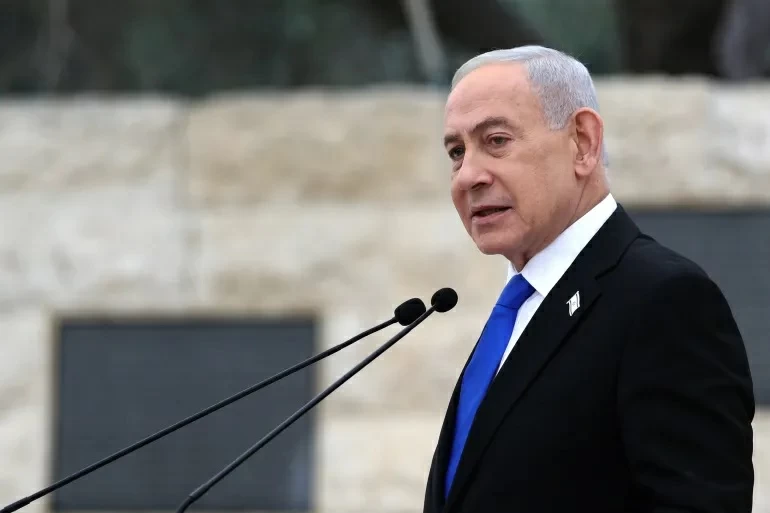
أكد رئيس الوزراء الإسرائيلي بنيامين نتنياهو توسيع جيش الاحتلال المساحة التي يسيطر عليها في غزة داخل ما يُعرف بـ«الخط الأصفر» لتبلغ 60% من مساحة القطاع المنكوب، ما يتناقض مع اتفاق وقف إطلاق النار الموقّع في إطار خطة الرئيس الأمريكي دونالد ترمب.
تحريك الخط الأصفر غرباً
وكشفت صحيفة «هآرتس» الإسرائيلية، اليوم الجمعة، أن نتنياهو قال خلال حفل أقيم، مساء أمس الخميس، بمناسبة الذكرى السنوية لاحتلال القدس الشرقية، إن الجيش يسيطر حالياً على 60% من قطاع غزة.
ولفتت إلى أن هذه نسبة أكبر مما كان منصوصاً عليه في اتفاق وقف إطلاق النار الذي توسطت فيه الولايات المتحدة ودخل حيز التنفيذ في أكتوبر 2025 والتي قُدِّرت بنحو 53% من مساحة القطاع.
وذكرت أنها نشرت في يناير الماضي تقريراً ميدانياً حول تحرك الخط الأصفر غرباً، مشيرة إلى أن هذا التوسع استمر في الأشهر الأخيرة، متجاوزاً في كل مرة المساحة المعيشية المحدودة للغاية المتبقية للفلسطينيين في قطاع غزة، على حد وصف الصحيفة الإسرائيلية.
إسرائيل لا تلتزم ببنود الاتفاق
ونقلت وكالة أنباء الأناضول التركية عن مصادر محلية تأكيدها أن إسرائيل تواصل تحريك هذا الخط، في عمليات عسكرية ميدانية كان أحدثها في 10 مايو الجاري، إذ أزاحت آليات إسرائيلية المكعبات الأسمنتية المطلية باللون الأصفر، باتجاه غرب شارع صلاح الدين، في منطقة محور نتساريم وسط القطاع.
وبموجب الاتفاق، فإن «الخط الأصفر»، يفصل بين مناطق سيطرة الجيش الإسرائيلي شرقاً، والمناطق التي يُسمح للفلسطينيين بالوجود فيها غرباً، ويغطي نحو 53% من مساحة القطاع.
إلا أن إسرائيل لم تلتزم بذلك، وزحفت تدريجياً من الخط الأصفر إلى مناطق جديدة في عمق القطاع، في مساحة أُطلق عليها أخيراً اسم «الخط البرتقالي».
منطقة عازلة حددتها إسرائيل
ونقلت «هآرتس» عن خبيرة نظم المعلومات الجغرافية في منظمة أطباء بلا حدود، لوري بوفيه، قولها: «إنه وفقاً لتقييمهم، بينما كانت إسرائيل تسيطر في أكتوبر على نحو 53% من أراضي قطاع غزة، فقد ارتفعت هذه النسبة الآن إلى 57-58%».
ووفقاً لبوفيه، فإنه إلى جانب المنطقة العازلة التي حددتها إسرائيل، الخط المعروف باسم الخط البرتقالي، الذي يُلزم المنظمات الإنسانية بالتنسيق مع الجيش الإسرائيلي داخله لتجنب أي أذى، تسيطر إسرائيل على أكثر من 60% من أراضي القطاع.
ولفتت لوري بوفيه إلى أن هذا التوسع مستمر، وقد جرى رصد كتل صفراء جديدة، على سبيل المثال، في حي الزيتون بمدينة غزة خلال الأسابيع الأخيرة.
إضافة مساحد جديدة للخط البرتقالي
من جانبه، اتهم القيادي في حماس باسم نعيم، إسرائيل بأنها أزاحت «الخط الأصفر» باتجاه المناطق الغربية، بمساحة إضافية تُقدَّر بنحو 8 إلى 9%، مما يرفع إجمالي المساحة التي بات يسيطر عليها الجيش إلى أكثر من 60% من القطاع.
وكان الجيش الإسرائيلي أعلن في أكتوبر الماضي، بعد الشروع في تطبيق الخطة الأولى من خطة ترمب، أنه بات يسيطر على 53% من مساحة قطاع غزة.
وفي 29 سبتمبر 2025، أعلن ترمب خطة لإنهاء الإبادة الإسرائيلية بقطاع غزة، تشمل المرحلة الأولى منها وقف إطلاق النار، وانسحاباً إسرائيلياً جزئياً، والإفراج عن الأسرى الإسرائيليين، وإدخال 600 شاحنة مساعدات يومياً.
وفيما التزمت حماس بمتطلبات المرحلة الأولى تنصلت إسرائيل من تعهداتها وواصلت اعتداءاتها، ما أسفر عن مقتل وإصابة مئات الفلسطينيين، فضلاً عن توسيع سيطرتها على القطاع.
وتتضمن المرحلة الثانية انسحاباً أوسع للجيش الإسرائيلي من قطاع غزة، وإعادة الإعمار، مقابل بدء نزع سلاح الفصائل، وهو ما لم تنفذه إسرائيل أيضاً وتتجاوزه بالإصرار على نزع السلاح أولاً.
Israeli Prime Minister Benjamin Netanyahu confirmed the expansion of the occupying army's control area in Gaza within what is known as the "yellow line" to reach 60% of the devastated sector's area, which contradicts the ceasefire agreement signed as part of U.S. President Donald Trump's plan.
Moving the yellow line westward
The Israeli newspaper "Haaretz" revealed today, Friday, that Netanyahu stated during a ceremony held last night, Thursday, on the anniversary of the occupation of East Jerusalem, that the army currently controls 60% of the Gaza Strip.
It pointed out that this percentage is higher than what was stipulated in the ceasefire agreement mediated by the United States, which came into effect in October 2025 and was estimated at about 53% of the sector's area.
It mentioned that it published a field report last January regarding the movement of the yellow line westward, indicating that this expansion has continued in recent months, surpassing each time the extremely limited living space remaining for Palestinians in the Gaza Strip, according to the Israeli newspaper's description.
Israel does not adhere to the terms of the agreement
The Turkish Anadolu Agency reported local sources confirming that Israel continues to move this line, in military operations, the latest of which was on May 10, when Israeli vehicles removed the yellow-painted concrete blocks towards the west of Salah al-Din Street, in the Netzarim axis area in the middle of the sector.
According to the agreement, the "yellow line" separates areas of Israeli army control in the east from areas where Palestinians are allowed to exist in the west, covering about 53% of the sector's area.
However, Israel has not adhered to this, gradually creeping from the yellow line into new areas deep within the sector, in an area recently referred to as the "orange line."
Buffer zone defined by Israel
"Haaretz" quoted GIS expert at Médecins Sans Frontières, Lori Boufaye, saying: "According to their assessment, while Israel controlled about 53% of Gaza's land in October, this percentage has now risen to 57-58%."
According to Boufaye, in addition to the buffer zone defined by Israel, the line known as the orange line, which requires humanitarian organizations to coordinate with the Israeli army within it to avoid any harm, Israel controls more than 60% of the sector's land.
Lori Boufaye pointed out that this expansion is ongoing, and new yellow blocks have been observed, for example, in the Zeitoun neighborhood of Gaza City in recent weeks.
Adding new areas to the orange line
For his part, Hamas leader Bassem Naeem accused Israel of moving the "yellow line" westward by an additional area estimated at about 8 to 9%, raising the total area now controlled by the army to more than 60% of the sector.
The Israeli army announced last October, after starting to implement the first phase of Trump's plan, that it controlled 53% of the Gaza Strip's area.
On September 29, 2025, Trump announced a plan to end the Israeli genocide in the Gaza Strip, which includes a ceasefire in the first phase, a partial Israeli withdrawal, the release of Israeli prisoners, and the entry of 600 aid trucks daily.
While Hamas adhered to the requirements of the first phase, Israel reneged on its commitments and continued its assaults, resulting in the death and injury of hundreds of Palestinians, in addition to expanding its control over the sector.
The second phase includes a broader withdrawal of the Israeli army from the Gaza Strip and reconstruction, in exchange for the start of disarmament of the factions, which Israel has also not implemented and insists on disarming first.