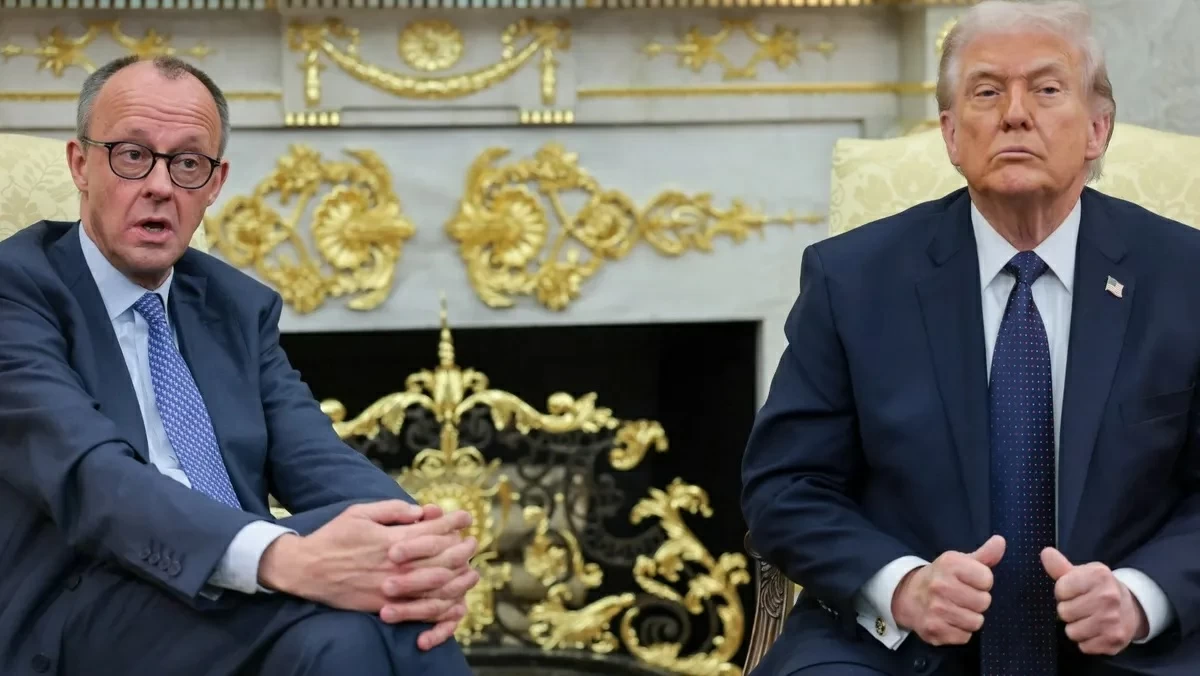
تشهد العلاقة بين الولايات المتحدة وحلفائها الأوروبيين توتراً متزايداً على مسارات عدة، في ظل قرارات اتخذها الرئيس دونالد ترمب تشمل سحب قوات من ألمانيا، وفرض رسوم جمركية على السيارات الأوروبية، إلى جانب تداعيات الحرب مع إيران. هذه التطورات أثارت مخاوف بشأن مستقبل الأمن الأوروبي واستقرار اقتصاده.
خطوة رمزية أم تحول استراتيجي؟
أعلنت واشنطن سحب أكثر من 5,000 جندي من ألمانيا، في خطوة قلل مسؤولون ألمان من أهميتها واعتبروها رمزية. إلا أن محللين يرون أن المسألة تتجاوز الأرقام، وتعكس توجهاً أوسع لإعادة تموضع الولايات المتحدة عسكرياً.
وتُعد ألمانيا مركزاً رئيسياً للوجود العسكري الأمريكي في أوروبا، إذ تضم أكثر من 36 ألف جندي موزعين على قواعد عدة، أبرزها قاعدة رامشتاين التي تمثل محوراً لوجستياً للعمليات الأمريكية حول العالم. ورغم أن الخفض لا يتجاوز نحو 14% من القوات، إلا أنه يثير تساؤلات حول التزام واشنطن طويل الأمد بأمن أوروبا.
تراجع الردع العسكري ومخاوف أمنية
يشعر الأوروبيون بقلق متزايد بسبب تراجع بعض الخطط العسكرية الأمريكية، خصوصاً التراجع عن نشر صواريخ بعيدة المدى في ألمانيا، وهو ما كان يُنظر إليه عنصرَ ردعٍ مهماً في مواجهة روسيا.
ويرى خبراء أن هذه الخطوة تخلق فجوة ردع في وقت تواجه فيه أوروبا تهديدات متصاعدة، في ظل عدم امتلاك الدول الأوروبية قدرات مماثلة حتى الآن. كما أن التقارب النسبي بين واشنطن وموسكو يزيد من حدة المخاوف بشأن توازن القوى في القارة.
أعباء اقتصادية متفاقمة
لم تقتصر التوترات على الجانب العسكري، بل امتدت إلى الاقتصاد. فقد رفعت الإدارة الأمريكية الرسوم الجمركية على السيارات الأوروبية، ما شكل ضربة قوية للصناعة الألمانية التي تعتمد بشكل كبير على التصدير إلى السوق الأمريكية.
وتزامن ذلك مع تراجع الصادرات الألمانية وارتفاع أسعار الطاقة نتيجة الحرب مع إيران، ما دفع الحكومة الألمانية إلى خفض توقعات النمو. كما سجلت ثقة قطاع الأعمال أدنى مستوياتها منذ سنوات، في ظل استمرار الضغوط التجارية.
تقليل الاعتماد على واشنطن
في مواجهة هذه التحديات، تسعى أوروبا، بقيادة ألمانيا، إلى تعزيز قدراتها الدفاعية وتقليل اعتمادها على الحماية الأمريكية. وقد زادت برلين من إنفاقها العسكري وسرّعت وتيرة التسلح؛ بهدف أن تصبح قوة عسكرية رئيسية في أوروبا خلال السنوات المقبلة.
لكن هذا التحول لا يزال يواجه عقبات، أبرزها بطء إعادة التسليح واعتماد القارة على التكنولوجيا العسكرية الأمريكية، ما يجعلها عرضة لتداعيات أي تغيير في السياسات الأمريكية.
وتعكس هذه التطورات تحولاً مهماً في طبيعة العلاقة عبر الأطلسي، إذ لم تعد الشراكة بين واشنطن وأوروبا مستقرة كما كانت. وبين الضغوط الأمنية والتحديات الاقتصادية، تجد أوروبا نفسها أمام مرحلة جديدة تتطلب إعادة تقييم استراتيجياتها الدفاعية والاقتصادية
The relationship between the United States and its European allies is witnessing increasing tension on several fronts, amid decisions made by President Donald Trump that include withdrawing troops from Germany and imposing tariffs on European cars, alongside the repercussions of the war with Iran. These developments have raised concerns about the future of European security and the stability of its economy.
A Symbolic Step or a Strategic Shift?
Washington announced the withdrawal of more than 5,000 troops from Germany, a move that German officials downplayed as symbolic. However, analysts believe that the issue goes beyond the numbers and reflects a broader trend of military repositioning by the United States.
Germany is a key hub for the American military presence in Europe, hosting more than 36,000 troops spread across several bases, most notably Ramstein Air Base, which serves as a logistical center for American operations worldwide. Although the reduction does not exceed about 14% of the forces, it raises questions about Washington's long-term commitment to European security.
Declining Military Deterrence and Security Concerns
Europeans are increasingly worried due to the decline of some American military plans, particularly the withdrawal from deploying long-range missiles in Germany, which was seen as an important deterrent against Russia.
Experts believe that this step creates a deterrent gap at a time when Europe faces escalating threats, especially since European countries do not yet possess similar capabilities. Additionally, the relative rapprochement between Washington and Moscow heightens concerns about the balance of power on the continent.
Escalating Economic Burdens
The tensions are not limited to the military aspect but have extended to the economy. The U.S. administration has raised tariffs on European cars, which dealt a significant blow to the German industry that heavily relies on exports to the American market.
This coincided with a decline in German exports and rising energy prices due to the war with Iran, prompting the German government to lower its growth forecasts. Business confidence has also hit its lowest levels in years amid ongoing trade pressures.
Reducing Dependence on Washington
In the face of these challenges, Europe, led by Germany, is striving to enhance its defense capabilities and reduce its reliance on American protection. Berlin has increased its military spending and accelerated its rearmament efforts, aiming to become a major military power in Europe in the coming years.
However, this shift still faces obstacles, primarily the slow pace of rearmament and the continent's dependence on American military technology, which makes it vulnerable to the repercussions of any changes in U.S. policies.
These developments reflect a significant shift in the nature of the transatlantic relationship, as the partnership between Washington and Europe is no longer as stable as it once was. Amid security pressures and economic challenges, Europe finds itself at a new juncture that requires a reassessment of its defense and economic strategies.