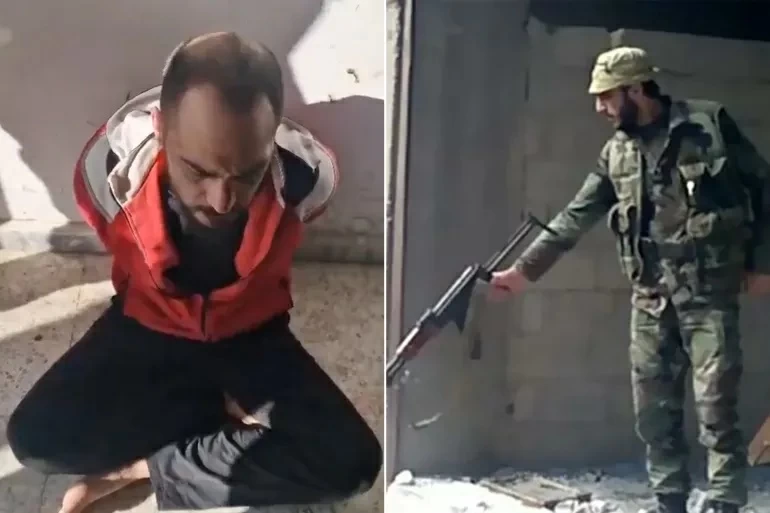
في لحظة أعادت فتح جرح لم يلتئم منذ أكثر من عقد، أعلنت السلطات السورية توقيف «أمجد يوسف»، الرجل الذي ارتبط اسمه بواحدة من أكثر الوقائع دموية خلال سنوات الحرب.
الخبر لم يمر كإجراء أمني عادي، بل انفجر على مواقع التواصل كحدث يعيد السوريين إلى ذاكرة ثقيلة، ظلّت لسنوات محاطة بالصمت والأسئلة المؤجلة.
القصة تعود إلى عام 2013، في أحد أحياء دمشق الجنوبية. هناك، في حي التضامن، جرت أحداث بقيت طي الكتمان لسنوات، قبل أن تنكشف لاحقًا على شكل مشاهد مصورة صادمة.
اللقطات التي ظهرت بعد سنوات أظهرت مدنيين مكبلي الأيدي ومعصوبي الأعين، يُقتادون إلى موقع إعدام ميداني، حيث انتهت حياتهم في مشهد وُصف بأنه من أكثر ما وثّقته الحرب السورية قسوة.
وبعد تسع سنوات من وقوع الحادثة، ظهرت الحقيقة إلى العلن عبر تحقيق نشرته صحيفة «الغارديان» البريطانية، استند إلى مقطع فيديو تم العثور عليه بشكل غير متوقع داخل جهاز حاسوب.
المادة المصورة كشفت سلسلة عمليات قتل جماعي، لتتحول إلى دليل مفصلي في تتبع المسؤولين عن المجزرة.
وبحسب التحقيقات التي أعقبت التسريب، جرى تحليل الوجوه والمشاهد على مدى سنوات، قبل أن يُربط اسم أمجد يوسف بعمليات الإعدام الموثقة في الفيديو.
ومع سقوط نظام بشار الأسد نهاية عام 2024، عاد ملف حي التضامن إلى الواجهة مجددًا، لكن هذه المرة في سياق قضائي مباشر.
إعلان توقيف أمجد يوسف فتح الباب أمام مرحلة جديدة، لا تتعلق فقط بالماضي، بل بما إذا كانت العدالة قادرة على ملاحقة الجرائم التي ظلت سنوات خارج المحاسبة.
وما إن انتشر الخبر حتى امتلأت المنصات بالتعليقات. بعض السوريين اعتبروا الاعتقال خطوة طال انتظارها، بينما شدد آخرون على أن الخطوة الحقيقية تبدأ من محاكمة علنية تكشف كل التفاصيل دون استثناء.
وبين الأمل والغضب، بدا المشهد كأنه عودة جماعية إلى سؤال واحد لم يُحسم بعد: كيف تُغلق جراح بهذا الحجم؟
لم تعد قضية أمجد يوسف مجرد اسم في خبر أمني، بل أصبحت عنوانًا لملف ثقيل يعيد مفهوم العدالة في سوريا، بعد سنوات من الحرب والذاكرة المعلقة.
In a moment that reopened a wound that had not healed for over a decade, Syrian authorities announced the arrest of "Amjad Youssef," a man whose name is linked to one of the bloodiest incidents during the years of war.
The news did not pass as a routine security measure; instead, it exploded on social media as an event that brought Syrians back to a heavy memory, which had remained shrouded in silence and postponed questions for years.
The story dates back to 2013, in one of the southern neighborhoods of Damascus. There, in the neighborhood of Tadamun, events occurred that remained under wraps for years, before later being revealed in the form of shocking video footage.
The footage that emerged years later showed civilians with their hands bound and eyes blindfolded, being led to a site of field execution, where their lives ended in a scene described as one of the most brutal documented moments of the Syrian war.
After nine years since the incident, the truth came to light through an investigation published by the British newspaper "The Guardian," which relied on a video clip that was unexpectedly found inside a computer.
The footage revealed a series of mass killings, becoming a pivotal piece of evidence in tracking down those responsible for the massacre.
According to the investigations that followed the leak, the faces and scenes were analyzed over the years, before Amjad Youssef's name was linked to the executions documented in the video.
With the fall of Bashar al-Assad's regime at the end of 2024, the case of Tadamun neighborhood resurfaced, but this time in a direct judicial context.
The announcement of Amjad Youssef's arrest opened the door to a new phase, not only related to the past but also to whether justice can pursue the crimes that remained unaccounted for for years.
As soon as the news spread, platforms filled with comments. Some Syrians considered the arrest a long-awaited step, while others emphasized that the real step begins with a public trial that reveals all the details without exception.
Between hope and anger, the scene seemed like a collective return to one unresolved question: How do you close wounds of this magnitude?
The case of Amjad Youssef is no longer just a name in a security report; it has become a title for a heavy file that redefines the concept of justice in Syria, after years of war and suspended memory.