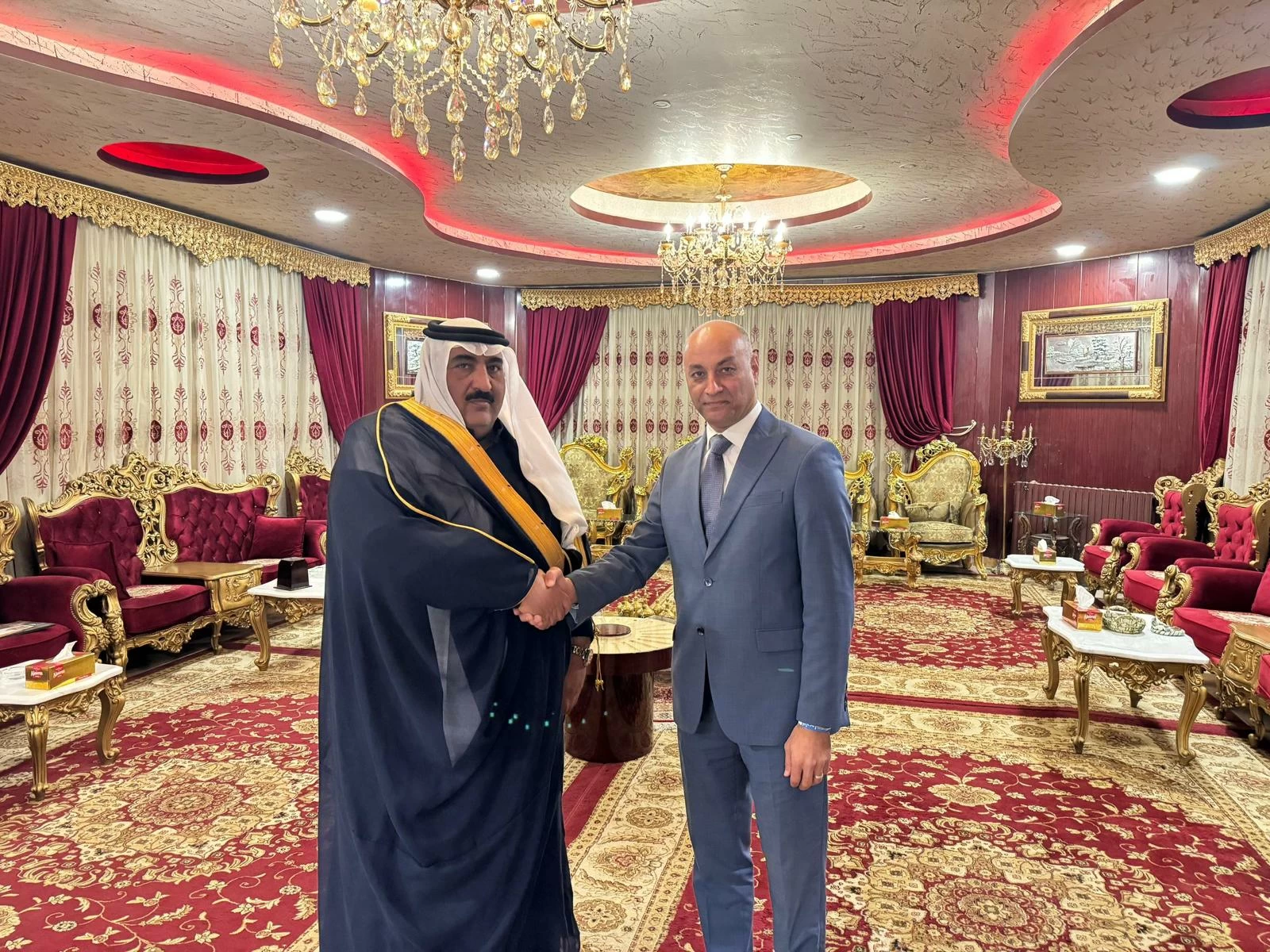
رفض شيخ قبيلة شمر في سورية مانع دهام الجربا فكرة إنشاء مجلس يضم كل القبائل، مؤكداً أن كل قبيلة لها خصوصيتها، لذا لا يمكن دمجها ضمن كيان واحد.
وكشف في حوار لـ«عكاظ»، أن القبائل تعرضت للحصار والضغوط لتغيير أفكارها ومبادئها من قبل حزب البعث، لكن نظام آل الأسد فشل في تحقيق هذا الهدف. وقال الشيخ الجربا إن القبائل تحررت عندما تحررت سورية. وأفاد بأنه شكل حزباً سياسياً منذ 9 سنوات، وينتظر إقرار قانون الأحزاب للإعلان عنه.
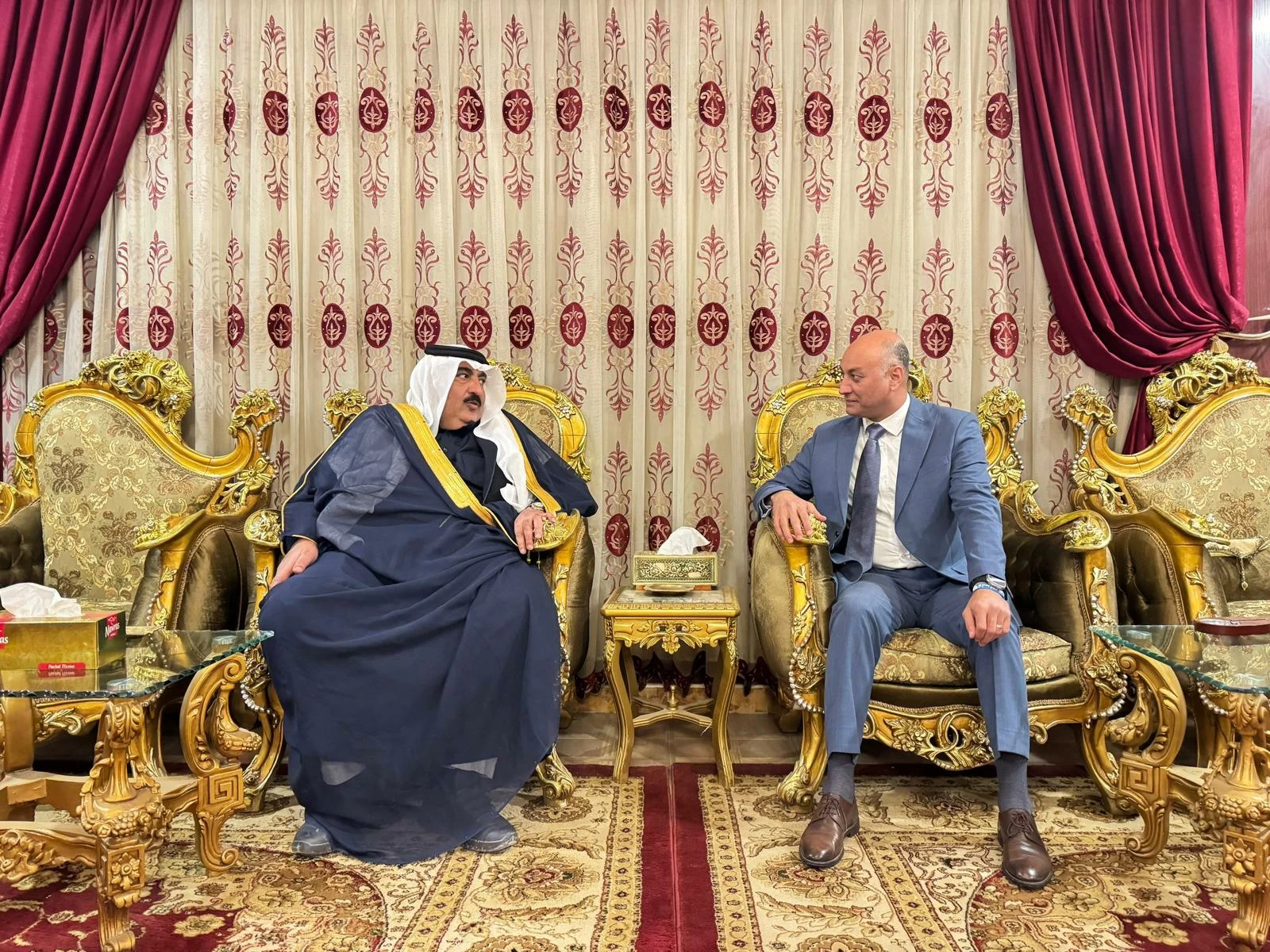
«عكاظ» حاورت الشيخ مانع عن دعم قبيلة شمر لمسيرة الدولة السورية ودورها في الاستقرار الاجتماعي في المنطقة، فضلاً عن دور القبيلة في استقرار الدولة وموقفها من دمج قوات سورية الديموقراطية في الدولة السورية.
وإلى التفاصيل:
تحرر القبائل من قبضة الضغوط
• في كل مراحل تشكل الدول يظهر الجانب الاجتماعي.. وبعد سقوط نظام الأسد، كيف تبرز أهمية دور القبيلة في الحفاظ على السلم المجتمعي؟
•• لا شك أن أي تغيير جديد يطرأ على أي منطقة، يفرض تغييرات جديدة في الفكر والمبدأ والسلوكيات بشكل عام، وما حدث في سورية أمر جيد، إذ استطاع مجموعة من أبنائها اقتلاع جذور نظام متجذر في الأرض لمدة 60 عاماً، وقد أبهر الشعب السوري الناس برقيه خلال ما جرى، فلم تحدث أي فوضى أو سرقات، خلال تحرير عاصمة الدولة.
أما فيما يخص القبائل، فهي موجودة ومتجذرة، كل في منطقته، وكان لهم دور إيجابي منذ بدء الثورة، فيما حالف التوفيق البعض وخالف آخرين، ولكن المبدأ كان واحداً لدعم الثورة.
وتجدر الإشارة إلى أن القبائل تعرضت للحصار والضغوط على مدى 50 عاماً، بهدف تغيير فكرهم من قبل حزب البعث، إذ تعرضت العوائل الأساسية ضمن القبائل لحصار شديد، وبعد التحرير وفك الحصار عن سورية بالكامل، تحررت القبائل أيضاً من قبضة الضغوط.
• هل استطاع النظام السابق تغيير هوية القبيلة؟
•• لم يستطع النظام السابق تغيير هوية القبيلة على مدار 6 عقود، وحاول فعل ذلك جاهداً وبكل الطرق، ولكنها ظلت موجودة بدليل أصالة القبائل والإرث الموجود لديهم، وحين تحين الفرصة تظهر القبيلة بأصالتها وقوتها الموجودة حالياً، راجين أن تلعب القبائل دوراً محورياً في استقرار وبناء مستقبل سورية.
• ماذا عن تشكيل مجلس للقبائل يكون مرتبطاً بالرئاسة السورية، أم لكم وجهة نظر أخرى؟
•• كل قبيلة تمتلك خصوصية، لا يمكن إنشاء مجلس يضم جميع القبائل، مثلاً قبيلة شمر لها خصوصية، لا يمكن دمجها ضمن كيان واحد، فهي تمتلك مبدأ مشتركاً، لكنها ليست تنظيماً سياسياً.
• هل تعتقد أنه لا حاجة لمجلس أعلى للقبائل في سورية؟
•• يمكن أن تكون للدولة سياسة أو توجه لذلك، ولكننا نتواصل مع كل القبائل، وكلها تحاول الحفاظ على خصوصيتها، والمجلس قد يخلق خلافات على المناصب بين القبائل، فالقبائل كثيرة ويجب الاعتماد على الأساسية منها، التي يمكن أن تندمج مع بعضها، تبعاً لخصوصياتها التي لا يمكن للمجلس أن يحيط بها، فيمكن أن يتعرض أي مرشح للمجلس للرفض من أي قبيلة، وهذا في حالة الاستقرار، أما في حالة الخطر أو التهديد على الدولة، قد يتزعم القبائل شخص واحد.
• حين حدثت مشكلة السويداء، حصلت هبة من العشائر.. ووجود القبائل أدى لعدد من التجاوزات.. هل أنت مع هذا النوع من الدور القبائلي؟
•• السويداء محافظة سورية، وسورية دولة مستقلة لها قوات عسكرية، تعمل على تأمين المنطقة ضد أي تجاوز، وذلك له جانب إيجابي وآخر سلبي، ونحن كقبيلة شمر لم نشارك في أحداث السويداء، ولم نصدر أي بيان، فالدروز مكون سوري، لا حاجة لخلق عداوة معهم، ويجب احتواء الأمر، وفي حال حصلت فوضى، ولم تتمكن الدولة من الدفاع، قد تتدخل القبائل للدفاع عن سيادة سورية، وليس بين مكونات الشعب السوري، وأي عداوة بين المكونات كالعشائر والدروز، قد يستغرق إنهاؤها أعواماً.
• قبيلة شمر تتموضع بشكل إستراتيجي بين القبائل.. ما هو دورها في الحفاظ على السلم المجتمعي في الحسكة؟
•• قبيلة شمر منتشرة في كافة أرجاء سورية، من درعا إلى ريف حلب إلى حدود تركيا والعراق، ولكن قيادات شمر الموجودة في الجزيرة تتموضع تموضعاً بالغ الحساسية، وهي جارة للأكراد من جهة، ولها حدود مع إقليم سنجار، وبلا شك نحاول توظيف هذا الأمر لتحقيق الأمان، وتمثيل صمام أمان للمنطقة ضد الفوضى، وخلال سنوات الثورة كانت قبيلة شمر ملاذاً آمناً للمطلوبين والملاحقين، وكرامة ديرتنا من كرامة أهلها. وفيما يخص العلاقات، لنا علاقات جيدة مع جيراننا الأكراد ومع كل العشائر الكردية بأغواتها وبشواتها ووجهائها، ونحاول أن نلعب دوراً إيجابياً في الخلافات، لأن أي معركة قومية قد لا تنتهي.
• فيما يتعلق بدمج الإدارة الذاتية مع الدولة السورية.. أنتم جزء من المنطقة.. هل تمت استشارتكم في ذلك باعتباركم أحد مكونات المنطقة؟
•• حين تأتي الدولة ينتهي أي برنامج، فالأصل هو سيادة الدولة، وقد تمت استشارتنا في عملية الدمج العسكري، ونحن نرفع شعار «نحن الدولة حتى تأتي الدولة»، ولكن آلية الدمج مع الدولة هي محاولة إيجاد المواقع التي يلعب فيها عناصرنا دوراً داعماً للسلم الأهلي ضمن قيادة الدولة.
• هل تفكرون في تكوين حزب سياسي؟
•• أمتلك حزباً سياسياً منذ 9 سنوات، وهو منظم وقائم حتى الآن، وفيه أعداد كبيرة، بانتظار إصدار مرسوم أو قانون تنظيم الأحزاب السياسية، ونتمسك بوجوده بين الأحزاب في حال إقرارها وعدم إلغائها، وسمعنا من القيادات أنها تدرس قانون الأحزاب.
• كيف ترى دور المملكة العربية السعودية في دعم الشعب السوري؟
•• دور المملكة العربية السعودية في دعم استقرار سورية اقتصادي وسياسي، إذ لاحظنا توجهاً من المملكة، متمثلة بولي العهد الأمير محمد بن سلمان، لدعم الموقف في سورية اقتصادياً وسياسياً واجتماعياً.
• هل تخافون من انقسامات عشائرية؟
•• المجتمع القبلي مختلف عن العشائري، ولا يمكن حدوث ذلك فيه، وفي حال حدوث أخطاء، لا يمكن استقرار المنطقة، فننصح بعدم العبث بملفات القبائل الكبرى في سورية، خصوصاً الجزيرة، لأن العبث خطير جداً في هذا السياق.
The Sheikh of the Shammar tribe in Syria, Man'a Daham Al-Jarba, rejected the idea of establishing a council that includes all tribes, affirming that each tribe has its own uniqueness, and thus cannot be merged into a single entity.
In an interview with "Okaz," he revealed that the tribes have faced siege and pressure to change their ideas and principles by the Ba'ath Party, but the Assad regime failed to achieve this goal. Sheikh Al-Jarba stated that the tribes were liberated when Syria was liberated. He indicated that he formed a political party nine years ago and is waiting for the approval of the political parties law to announce it.
"Okaz" interviewed Sheikh Man'a about the support of the Shammar tribe for the Syrian state's journey and its role in social stability in the region, as well as the tribe's role in the stability of the state and its position on integrating the Syrian Democratic Forces into the Syrian state.
Here are the details:
**Liberation of the tribes from the grip of pressures**
• In all stages of state formation, the social aspect emerges... After the fall of the Assad regime, how does the role of the tribe in maintaining societal peace become significant?
•• There is no doubt that any new change that occurs in any area imposes new changes in thought, principle, and behaviors in general. What happened in Syria is a good thing, as a group of its sons managed to uproot a regime that had been entrenched for 60 years. The Syrian people amazed everyone with their nobility during what transpired; there was no chaos or theft during the liberation of the capital.
As for the tribes, they are present and rooted, each in its region, and they played a positive role since the beginning of the revolution. Some were fortunate, while others were not, but the principle was unified in supporting the revolution.
It is worth noting that the tribes faced siege and pressures for 50 years aimed at changing their mindset by the Ba'ath Party, as the core families within the tribes faced severe siege. After the liberation and the complete lifting of the siege on Syria, the tribes were also liberated from the grip of pressures.
• Did the previous regime manage to change the identity of the tribe?
•• The previous regime could not change the identity of the tribe over six decades. It tried hard and by all means, but the tribes remained present, evidenced by their authenticity and the heritage they possess. When the opportunity arises, the tribe shows its authenticity and strength, hoping that the tribes will play a pivotal role in the stability and building of Syria's future.
• What about forming a council for the tribes that would be linked to the Syrian presidency? Do you have another viewpoint?
•• Each tribe has its own uniqueness; it is not possible to create a council that includes all tribes. For example, the Shammar tribe has its own uniqueness and cannot be merged into a single entity. It has a common principle, but it is not a political organization.
• Do you believe there is no need for a higher council for the tribes in Syria?
•• The state can have a policy or direction for that, but we communicate with all the tribes, and they all try to maintain their uniqueness. The council could create disputes over positions among the tribes, as there are many tribes, and we should rely on the core ones that can merge with each other, depending on their unique characteristics that the council cannot encompass. Any candidate for the council could be rejected by any tribe, and this is in a state of stability. However, in a state of danger or threat to the state, one person may lead the tribes.
• When the issue in Sweida occurred, there was a surge from the clans... and the presence of the tribes led to several transgressions... Are you in favor of this type of tribal role?
•• Sweida is a Syrian governorate, and Syria is an independent state with military forces that work to secure the area against any transgressions. This has both positive and negative aspects. As the Shammar tribe, we did not participate in the events in Sweida and did not issue any statement. The Druze are a Syrian component; there is no need to create animosity with them, and the matter should be contained. If chaos occurs and the state cannot defend, the tribes may intervene to defend the sovereignty of Syria, not among the components of the Syrian people. Any animosity between components like the tribes and the Druze could take years to resolve.
• The Shammar tribe is strategically positioned among the tribes... What is its role in maintaining societal peace in Hasakah?
•• The Shammar tribe is spread throughout Syria, from Daraa to the countryside of Aleppo to the borders with Turkey and Iraq. However, the Shammar leadership present in the Jazira region is positioned in a highly sensitive manner, being neighbors to the Kurds on one side and having borders with the Sinjar region. Without a doubt, we try to leverage this situation to achieve security and represent a safety valve for the region against chaos. During the years of the revolution, the Shammar tribe was a safe haven for those wanted and pursued, and the dignity of our land is tied to the dignity of its people. Regarding relations, we have good relations with our Kurdish neighbors and with all Kurdish tribes, including their leaders and dignitaries, and we try to play a positive role in conflicts, as any national battle may not end.
• Regarding the integration of the Autonomous Administration with the Syrian state... You are part of the region... Were you consulted on this matter as one of the components of the region?
•• When the state comes, any program ends; the essence is the sovereignty of the state. We were consulted in the military integration process, and we raise the slogan "We are the state until the state comes." However, the mechanism of integration with the state is an attempt to find the positions where our elements play a supportive role for civil peace within the leadership of the state.
• Are you thinking of forming a political party?
•• I have had a political party for nine years, which is organized and still exists, with a large number of members, waiting for the issuance of a decree or law organizing political parties. We insist on its existence among the parties if they are approved and not canceled, and we have heard from the leadership that they are studying the law of parties.
• How do you see the role of the Kingdom of Saudi Arabia in supporting the Syrian people?
•• The role of the Kingdom of Saudi Arabia in supporting the stability of Syria is economic and political. We have noticed a trend from the Kingdom, represented by Crown Prince Mohammed bin Salman, to support the situation in Syria economically, politically, and socially.
• Are you afraid of tribal divisions?
•• The tribal community is different from the clan community, and such divisions cannot occur within it. If mistakes happen, stability in the region cannot be achieved. We advise against tampering with the major tribal files in Syria, especially in the Jazira region, because tampering is very dangerous in this context.