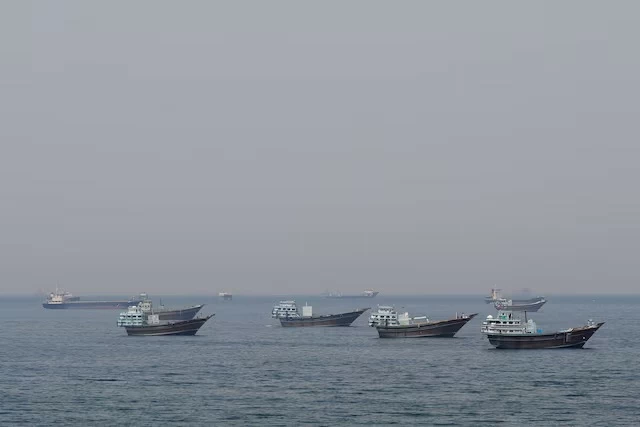
حذّرت شركة يونانية متخصصة في إدارة المخاطر البحرية من انتشار رسائل احتيالية تستهدف شركات الشحن، تعد بتأمين مرور سفنها عبر مضيق هرمز مقابل دفع رسوم بعملات مشفرة.
وأوضحت الشركة (ماريسكس) أن جهات مجهولة، تدّعي تمثيل السلطات الإيرانية، أرسلت إلى بعض الشركات التي علقت سفنها غرب المضيق رسائل تطالب بدفع مبالغ باستخدام عملات مثل البيتكوين والتيثر، مقابل منح «تصريح عبور آمن».
وأكدت الشركة أن هذه الرسائل «عملية احتيال»، مشددة على أنها لا تمت بصلة للسلطات الإيرانية.
أزمة متفاقمة في ممر الطاقة العالمي
يأتي هذا التحذير في ظل استمرار التوترات في المنطقة، حيث تحافظ الولايات المتحدة على حصارها للموانئ الإيرانية، بينما قامت إيران بفرض وإعادة فرض قيود على الملاحة في المضيق، الذي كان يمر عبره نحو خُمس إمدادات النفط والغاز الطبيعي المسال عالمياً قبل اندلاع الحرب في الشرق الأوسط.
ورغم الحديث عن مفاوضات لوقف إطلاق النار، طرحت طهران فكرة فرض رسوم عبور على السفن مقابل تأمين مرورها، مستفيدة من سيطرتها على هذا الممر الحيوي.
مئات السفن عالقة
وتشير التقديرات إلى أن مئات السفن ونحو 20 ألف بحّار ما زالوا عالقين في مياه الخليج، في ظل استمرار القيود وعدم وضوح مستقبل الملاحة.
وفي 18 أبريل، سمحت إيران مؤقتاً بفتح المضيق مع فرض عمليات تفتيش، إلا أن محاولات العبور واجهت مخاطر، حيث أفادت سفينتان على الأقل، إحداهما ناقلة نفط، بتعرضهما لإطلاق نار من زوارق إيرانية، ما أجبرهما على التراجع.
احتيال يستغل الفوضى
وترى شركة (ماريسكس) أن بعض السفن التي تعرضت لإطلاق النار قد تكون وقعت ضحية لهذه العمليات الاحتيالية، بعد استجابتها للرسائل المضللة.
وجاء في إحدى الرسائل المتداولة: «بعد تقديم الوثائق وتقييم أهليتكم من قبل الأجهزة الأمنية الإيرانية، سيتم تحديد الرسوم المستحقة بالعملات المشفرة، وعندها فقط يمكن لسفينتكم عبور المضيق دون عوائق في الموعد المحدد».
A Greek company specializing in maritime risk management has warned of the spread of fraudulent messages targeting shipping companies, promising to secure the passage of their vessels through the Strait of Hormuz in exchange for payment in cryptocurrencies.
The company (Marisks) explained that unknown parties, claiming to represent Iranian authorities, have sent messages to some companies that have suspended their vessels west of the strait, demanding payment in amounts using currencies like Bitcoin and Tether, in exchange for granting a "safe passage permit."
The company confirmed that these messages are a "scam," emphasizing that they have no connection to Iranian authorities.
Escalating Crisis in the Global Energy Corridor
This warning comes amid ongoing tensions in the region, where the United States maintains its blockade of Iranian ports, while Iran has imposed and re-imposed restrictions on navigation in the strait, through which about one-fifth of global oil and liquefied natural gas supplies passed before the outbreak of war in the Middle East.
Despite discussions about a ceasefire, Tehran has proposed imposing transit fees on ships in exchange for securing their passage, taking advantage of its control over this vital corridor.
Hundreds of Ships Stranded
Estimates indicate that hundreds of ships and around 20,000 sailors are still stranded in the Gulf waters, amid ongoing restrictions and uncertainty about the future of navigation.
On April 18, Iran temporarily allowed the strait to open with inspections imposed, but attempts to cross faced risks, as at least two ships, one of them an oil tanker, reported being shot at by Iranian boats, forcing them to retreat.
Fraud Exploiting Chaos
The company (Marisks) believes that some ships that were shot at may have fallen victim to these fraudulent operations after responding to the misleading messages.
One of the circulated messages stated: "After submitting the documents and assessing your eligibility by the Iranian security agencies, the fees due in cryptocurrencies will be determined, and only then can your vessel pass through the strait without obstacles at the scheduled time."