في وقت هدد فيه الرئيس الأمريكي دونالد ترمب بتدمير إيران بالكامل إذا لم توقّع اتفاقاً، كشف دبلوماسيون غربيون مخاوف أوروبية من إبرام اتفاق أمريكي سريع مع طهران قد يؤدي إلى ترسيخ الأزمة بدلاً من حلّها.
وقال دبلوماسيون لديهم خبرة سابقة في التعامل مع طهران إن واشنطن، في سعيها لتحقيق انتصار دبلوماسي سريع للرئيس ترمب، قد تبرم اتفاقاً عاجلاً بشأن البرنامج النووي الإيراني ورفع العقوبات، مع ترك القضايا الجوهرية دون حل، ما قد يفتح الباب أمام مفاوضات معقدة تمتد لأشهر أو سنوات.
تحذيرات من اتفاق هش
وأوضح دبلوماسي أوروبي: «القلق ليس من عدم التوصل إلى اتفاق، بل من التوصل إلى اتفاق مبدئي سيئ يجلب مشكلات لا حصر لها مستقبلاً»، مشيراً إلى أن انعدام الثقة العميق وتباين أساليب التفاوض يزيدان من خطر التوصل إلى إطار هش يصعب الحفاظ عليه سياسياً.
وتساءلت فيديريكا موغيريني، التي نسّقت المحادثات بين عامي 2013 و2015: «استغرق الأمر منا 12 عاماً وعملاً تقنياً هائلاً، فهل يمكن إنجازه خلال 21 ساعة؟».
تشكيك في سرعة التوصل لاتفاق
بدوره، أشار دبلوماسي آخر إلى أن التوصل إلى اتفاق إطاري قد يكون ممكناً عبر حزمة نووية وأخرى اقتصادية، محذراً من أن الملف النووي لا يزال الأكثر تعقيداً وإثارة للخلاف.
وأضاف دبلوماسي أوروبي: «يعتقد الأمريكيون أنه يمكن الاتفاق على 3 أو 4 نقاط في وثيقة من 5 صفحات، لكن في الملف النووي يفتح كل بند الباب أمام عشرات القضايا الخلافية».
تصعيد أمريكي وضغوط تفاوضية
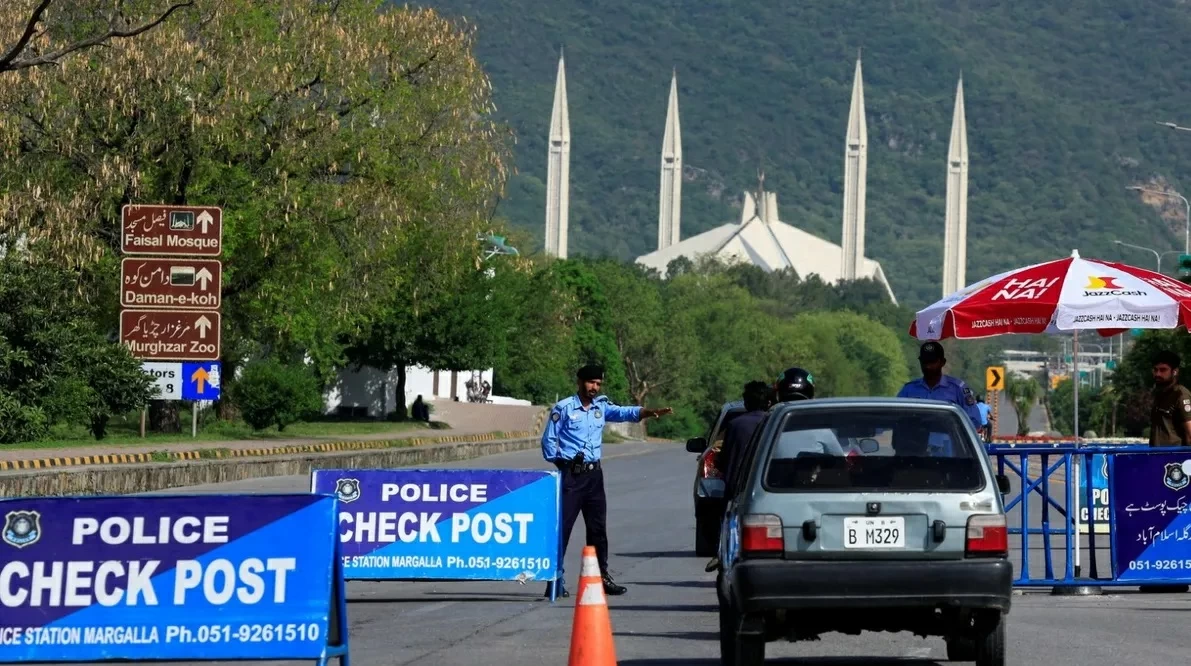
في المقابل، صعّد الرئيس الأمريكي دونالد ترمب لهجته، معتبراً أن مفاوضات الاثنين في إسلام آباد تمثل «الفرصة الأخيرة» أمام إيران، قائلاً لشبكة «فوكس نيوز»: «إذا لم توقّع إيران اتفاقاً، فسيتم تدمير البلاد بأكملها».
وأكد أن إيران وافقت بالفعل على عدد من بنود الاتفاق، لافتاً إلى وجود صراع داخلي بين المعتدلين والمتشددين في طهران.
كما قال في تصريح لصحيفة «نيويورك بوست» إنه لن يسمح لإيران بامتلاك سلاح نووي، مشيراً إلى استعداده للذهاب إلى باكستان في حال التوصل إلى اتفاق، مع تأكيده استمرار الحصار على إيران خلال فترة المفاوضات.
موقف البيت الأبيض
من جانبها، شددت نائبة المتحدثة باسم البيت الأبيض آنا كيلي على أن الرئيس ترمب يمتلك سجلاً حافلاً في إبرام الاتفاقات، مؤكدة أنه «لن يقبل إلا باتفاق يضع الولايات المتحدة أولاً».
At a time when U.S. President Donald Trump threatened to completely destroy Iran if it did not sign an agreement, Western diplomats revealed European concerns about a quick U.S. deal with Tehran that could entrench the crisis rather than resolve it.
Diplomats with previous experience dealing with Tehran stated that Washington, in its pursuit of a quick diplomatic victory for President Trump, might conclude an urgent agreement regarding the Iranian nuclear program and the lifting of sanctions, while leaving core issues unresolved, which could open the door to complex negotiations that could last for months or years.
Warnings of a Fragile Agreement
An European diplomat explained: “The concern is not about failing to reach an agreement, but about reaching a bad preliminary agreement that brings countless problems in the future,” pointing out that the deep mistrust and differing negotiation styles increase the risk of reaching a fragile framework that is difficult to maintain politically.
Federica Mogherini, who coordinated the talks between 2013 and 2015, questioned: “It took us 12 years and tremendous technical work, can it be achieved in 21 hours?”
Doubts About the Speed of Reaching an Agreement
For his part, another diplomat indicated that reaching a framework agreement might be possible through a nuclear package and another economic one, warning that the nuclear file remains the most complex and contentious.
A European diplomat added: “Americans believe that they can agree on 3 or 4 points in a 5-page document, but in the nuclear file, each clause opens the door to dozens of contentious issues.”
U.S. Escalation and Negotiation Pressures
In contrast, U.S. President Donald Trump escalated his rhetoric, considering that the negotiations on Monday in Islamabad represent “the last chance” for Iran, stating to Fox News: “If Iran does not sign an agreement, the entire country will be destroyed.”
He confirmed that Iran has already agreed to a number of the agreement's provisions, noting the internal conflict between moderates and hardliners in Tehran.
He also stated in an interview with the New York Post that he would not allow Iran to possess nuclear weapons, indicating his willingness to go to Pakistan if an agreement is reached, while affirming that the blockade on Iran would continue during the negotiation period.
The White House's Position
For her part, White House Deputy Press Secretary Anna Kelly emphasized that President Trump has a strong record in making agreements, asserting that he “will only accept an agreement that puts the United States first.”