فيما أكدت وسائل إعلام إيرانية عقد لقاء بين رئيس البرلمان محمد باقر قاليباف وقائد الجيش الباكستاني في طهران، أعلن متحدث باسم وزارة الخارجية الباكستانية، اليوم (الخميس)، أنه لم يتم تحديد أي مواعيد حتى الآن لمحادثات بين الولايات المتحدة وإيران.
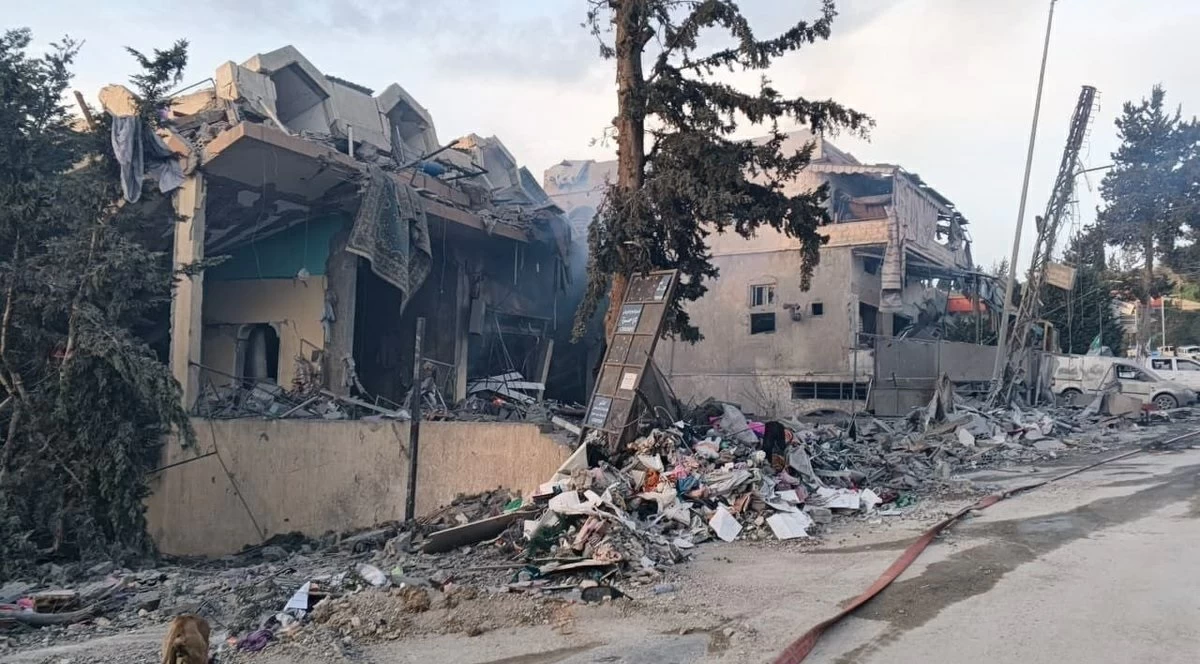
وقال المتحدث أن القضايا النووية تُعد من بين أبرز الملفات التي تناقشها الدولتان، مشيراً إلى أن لبنان «لا يزال جزءاً من وقف إطلاق النار القائم»، وأن استقرار الأوضاع فيه يُعد أمراً ضرورياً لنجاح أي محادثات.
لبنان أولوية في وقف إطلاق النار
من جهته، أكد رئيس مجلس النواب اللبناني نبيه بري، خلال اتصال هاتفي مع رئيس مجلس الشورى الإيراني محمد باقر قاليباف، ضرورة أن يشمل وقف إطلاق النار لبنان قبل أي ملفات أخرى.
وذكرت الوكالة الوطنية للإعلام في لبنان أن الجانبين بحثا آخر تطورات الأوضاع في المنطقة، لا سيما في جنوب لبنان، في ظل استمرار التوترات الميدانية.
تحركات دبلوماسية ورسائل غير مباشرة
في سياق متصل، أفادت صحيفة «داون» الباكستانية بأن قائد الجيش الباكستاني نقل رسالة من واشنطن إلى طهران، تتعلق بمستجدات وقف إطلاق النار في لبنان، ضمن الجهود الرامية إلى تثبيت التهدئة.
وأوضحت الصحيفة أن إيران كانت تترقب إعلاناً إسرائيلياً بشأن وقف إطلاق النار في لبنان، قبل اتخاذ قرارها حيال مضمون الرسالة التي نقلتها باكستان.
خلافات نووية مستمرة رغم التقدم
من جانب آخر، قال مسؤول إيراني رفيع إن زيارة رئيس أركان الجيش الباكستاني عاصم منير إلى طهران أسهمت في تقليص بعض الخلافات، إلا أن القضايا الجوهرية، خصوصاً المتعلقة بالملف النووي، لا تزال قائمة.
وأشار المسؤول إلى أن مصير اليورانيوم الإيراني عالي التخصيب، إلى جانب مدة القيود النووية المفروضة، لا يزالان دون حسم، مضيفاً: «بعد هذه الزيارة، هناك آمال أكبر في تمديد وقف إطلاق النار وعقد جولة ثانية من المحادثات».
تفاؤل حذر من واشنطن
في المقابل، أكد البيت الأبيض أن المفاوضات بين الولايات المتحدة وإيران لا تزال «مستمرة ومثمرة»، مع توقعات بعقد الجولة القادمة في إسلام آباد.
While Iranian media confirmed a meeting between Parliament Speaker Mohammad Baqer Qalibaf and the Pakistani army chief in Tehran, a spokesperson for the Pakistani Foreign Ministry announced today (Thursday) that no dates have been set yet for talks between the United States and Iran.
The spokesperson stated that nuclear issues are among the prominent files being discussed by the two countries, noting that Lebanon "remains part of the existing ceasefire," and that stabilizing the situation there is essential for the success of any talks.
Lebanon a priority in the ceasefire
For his part, the Speaker of the Lebanese Parliament, Nabih Berri, emphasized during a phone call with Iranian Shura Council Speaker Mohammad Baqer Qalibaf the necessity of including Lebanon in the ceasefire before any other issues.
The National News Agency in Lebanon reported that the two sides discussed the latest developments in the region, particularly in southern Lebanon, amid ongoing field tensions.
Diplomatic moves and indirect messages
In a related context, the Pakistani newspaper "Dawn" reported that the Pakistani army chief conveyed a message from Washington to Tehran regarding developments in the ceasefire in Lebanon, as part of efforts to stabilize the truce.
The newspaper clarified that Iran was awaiting an Israeli announcement regarding the ceasefire in Lebanon before making a decision regarding the content of the message conveyed by Pakistan.
Ongoing nuclear disputes despite progress
On another note, a senior Iranian official stated that the visit of Pakistani Chief of Army Staff Asim Munir to Tehran contributed to reducing some disputes, but core issues, especially related to the nuclear file, remain unresolved.
The official pointed out that the fate of Iran's highly enriched uranium, along with the duration of imposed nuclear restrictions, is still undecided, adding: "After this visit, there are greater hopes for extending the ceasefire and holding a second round of talks."
Cautious optimism from Washington
In contrast, the White House confirmed that negotiations between the United States and Iran are still "ongoing and fruitful," with expectations for the next round to be held in Islamabad.