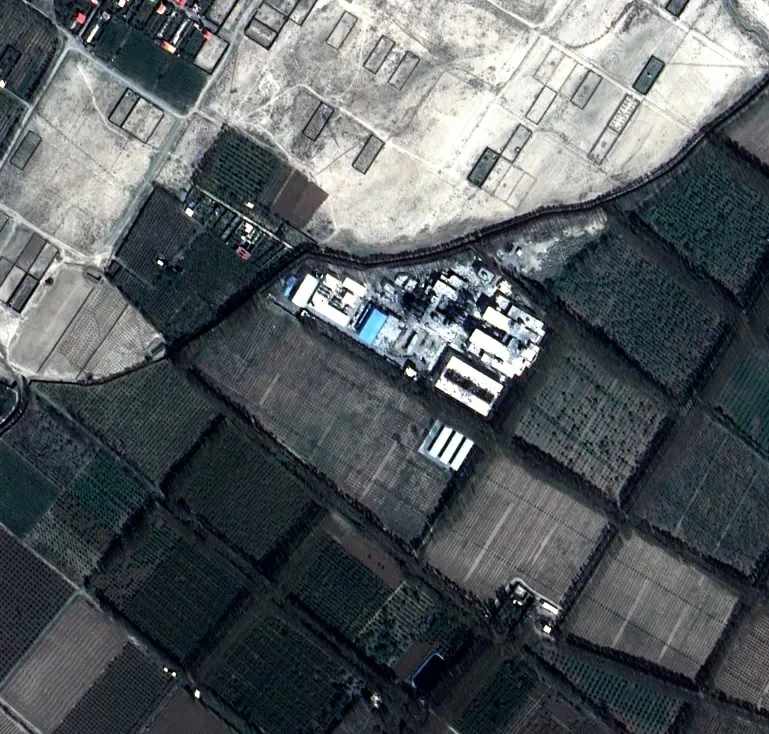
تمثل قضية اليورانيوم المخصب أحد الخلافات الجوهرية بين واشنطن وطهران، إذ لا يزال الغموض يلف مصير اليورانيوم عالي التخصيب الذي تمتلكه إيران ويقدر بنحو 440 كلغ.
السيطرة على المخزون الثمين
ورغم أن إسرائيل والولايات المتحدة دمرتا المنشآت النووية، إلا أنهما لم تتمكنان بعد من السيطرة على المخزون الثمين من اليورانيوم عالي التخصيب.
وحسب مراقبين دوليين، فإن البرنامج النووي الإيراني، أصيب بانتكاسة خطرة، وسيستغرق الأمر الكثير من الوقت والاستثمارات والموارد لإعادة بناء كل هذه القدرات المفقودة.
ولا تزال طهران تمتلك كمية كبيرة من اليورانيوم عالي التخصيب بنسبة 60%، وهي نسبة قريبة من عتبة 90% اللازمة لإنتاج قنبلة نووية، بالإضافة إلى مخزونها من اليورانيوم المخصب بنسبة 20%، وهي نسبة حرجة تتيح الانتقال سريعا إلى التخصيب بنسبة 60%، ثم إلى 90%.
وقبل الضربات الأمريكية في يونيو الماضي، كانت طهران تمتلك، وفق الوكالة الدولية للطاقة الذرية، نحو 440 كيلوغراما من اليورانيوم المخصب بنسبة 60%، ما يتجاوز بكثير الحد الأقصى البالغ 3,67% المحدد بموجب اتفاقية عام 2015 التي انسحبت منها الولايات المتحدة لاحقا.
مدفون في أنفاق تحت الأرض
ومنذ يونيو 2025، لا يزال مصير هذا المخزون غامضا، إذ ترفض طهران السماح لمفتشي الوكالة الدولية للطاقة الذرية بالوصول إلى المواقع التي دمرتها الضربات الأمريكية والإسرائيلية. ودعا مدير الوكالة الأممية رافايل غروسي مرارا إلى عودة الخبراء الدوليين.
ويعتقد مراقبون أن جزءا من مخزون اليورانيوم عالي التخصيب لا يزال مدفونا في أنفاق بموقع أصفهان وسط إيران، بينما لم تستبعد ثلاثة مصادر دبلوماسية غربية، احتمال نقل بعض الكميات.
ويرى مختصون في هذا الملف أن نحو 220 كيلوغراما أي ما يقارب نصف مخزون إيران المعلن من اليورانيوم عالي التخصيب بنسبة 60%، مخزّن في مجمع الأنفاق تحت الأرض في أصفهان. أما «مصير النصف الآخر فلا يزال غير واضح». ورجحوا أن يكون مدفونا تحت الأنقاض في فوردو، إذ تم إنتاج كميات كبيرة من اليورانيوم عالي التخصيب بنسبة 60% قبل حرب يونيو 2025.
سيناريو روسي لتسلم اليورانيوم
بينما أكدت روسيا مجددا يوم الإثنين الماضي استعدادها لاستقبال اليورانيوم الإيراني المخصب على أراضيها كجزء من اتفاق سلام محتمل بين واشنطن وطهران. وأوضح المتحدث باسم الرئاسة الروسية ديمتري بيسكوف أن هذا المقترح قُدّم من الرئيس فلاديمير بوتين خلال اتصالاته مع الولايات المتحدة ودول المنطقة، لكن هذا السيناريو يُعدّ خطا أحمر بالنسبة للأوروبيين، خصوصا أن روسيا تشن حربا على أوكرانيا منذ أكثر من أربع سنوات. وتتعاون موسكو وطهران في الشؤون النووية من خلال منشأة بوشهر النووية، التي بُنيت وشُغّلت بمساعدة روسية لأغراض نووية مدنية.
The issue of enriched uranium represents one of the fundamental disputes between Washington and Tehran, as the fate of the high-enriched uranium that Iran possesses, estimated at about 440 kg, remains shrouded in mystery.
Control over the precious stockpile
Although Israel and the United States have destroyed nuclear facilities, they have not yet been able to control the precious stockpile of high-enriched uranium.
According to international observers, the Iranian nuclear program has suffered a serious setback, and it will take a lot of time, investments, and resources to rebuild all these lost capabilities.
Tehran still possesses a large amount of uranium enriched to 60%, a level close to the 90% threshold necessary for producing a nuclear bomb, in addition to its stock of uranium enriched to 20%, which is a critical level that allows for a rapid transition to 60% enrichment, and then to 90%.
Before the American strikes last June, Tehran had, according to the International Atomic Energy Agency, about 440 kilograms of uranium enriched to 60%, which far exceeds the maximum limit of 3.67% set under the 2015 agreement from which the United States later withdrew.
Buried in underground tunnels
Since June 2025, the fate of this stockpile remains unclear, as Tehran refuses to allow International Atomic Energy Agency inspectors access to the sites destroyed by the American and Israeli strikes. The head of the UN agency, Rafael Grossi, has repeatedly called for the return of international experts.
Observers believe that part of the high-enriched uranium stockpile is still buried in tunnels at the Isfahan site in central Iran, while three Western diplomatic sources have not ruled out the possibility of transferring some quantities.
Experts in this field estimate that about 220 kilograms, or nearly half of Iran's declared stock of uranium enriched to 60%, is stored in the underground tunnel complex in Isfahan. As for the "fate of the other half, it remains unclear." They speculated that it might be buried under the rubble in Fordow, as large quantities of uranium enriched to 60% were produced before the June 2025 war.
Russian scenario for receiving uranium
Meanwhile, Russia reaffirmed last Monday its readiness to receive Iranian enriched uranium on its territory as part of a potential peace agreement between Washington and Tehran. The spokesperson for the Russian presidency, Dmitry Peskov, clarified that this proposal was presented by President Vladimir Putin during his communications with the United States and regional countries, but this scenario is considered a red line for Europeans, especially since Russia has been waging war on Ukraine for more than four years. Moscow and Tehran cooperate in nuclear affairs through the Bushehr nuclear facility, which was built and operated with Russian assistance for civilian nuclear purposes.