في مشهد يعكس تعقيد الأزمة، واصل مضيق هرمز أداءه الحيوي رغم التصعيد، فيما تصاعدت لهجة التهديدات الأمريكية، وتمسكت طهران بشروطها، مع انتهاء جولة المفاوضات دون اتفاق، وبقاء الملفات العالقة مفتوحة على كل الاحتمالات.
6 ملايين برميل تعبر «هرمز»
رغم التوترات المتصاعدة، شهد مضيق هرمز، أمس، عبور نحو 6 ملايين برميل من النفط السعودي والعراقي، الذي يلعب دورًا مهمًا في استقرار أسواق النفط العالمية، وفق بيانات موقع «تانكر تراكرز»، توزعت بين مليوني برميل من النفط العراقي، و4 ملايين برميل من النفط السعودي.
ويعكس هذا الرقم استمرار تدفق الإمدادات العالمية عبر أحد أهم الممرات الحيوية، في وقت تتزايد فيه المخاوف من أي تعطّل محتمل قد يربك الأسواق العالمية.
ترمب يلوّح بـ«الحصار البحري»
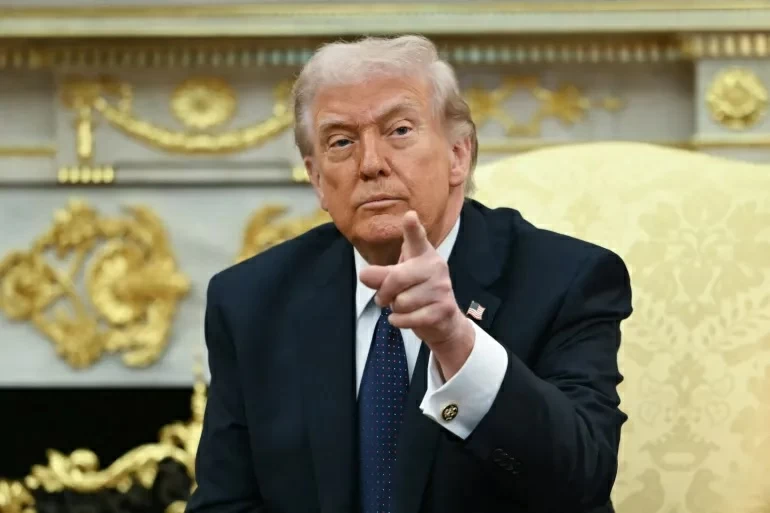
وفي تصعيد لافت، نشر الرئيس الأمريكي دونالد ترمب عبر منصة «تروث سوشال» مقالاً للكاتب الأمريكي جون سولومون، يطرح فيه خيار فرض حصار بحري على إيران كأداة ضغط رئيسية.
وأشار المقال إلى أن ترمب قد يلجأ إلى تكرار سيناريو فنزويلا، حين شُلّ اقتصادها عبر حصار بحري استهدف صادراتها النفطية، مؤكداً أن هذا الخيار قد يكون بديلاً عن المواجهة العسكرية المباشرة.
كما لفت إلى وجود قطع بحرية أمريكية ثقيلة في المنطقة، بينها حاملة الطائرات «يو إس إس جيرالد فورد» و«يو إس إس أبراهام لينكولن»، ما يعزز من قدرة واشنطن على تنفيذ مثل هذا السيناريو، في حال فشل المسار الدبلوماسي.
طهران: لن نفتح «هرمز» دون اتفاق
في المقابل، كشفت تسريبات نقلتها «نيويورك تايمز» عن مسؤولين إيرانيين أن طهران رفضت إعادة فتح مضيق هرمز إلا في إطار اتفاق نهائي شامل، رغم مطالب أمريكية بإعادة فتحه فوراً.
ويضع هذا الموقف المضيق في قلب المعادلة التفاوضية، باعتباره ورقة ضغط استراتيجية بيد إيران في مواجهة واشنطن.
الخارجية الإيرانية: مفاوضات معقدة بلا اتفاق
وأكدت وزارة الخارجية الإيرانية أن جولة المفاوضات الأخيرة انتهت دون التوصل إلى اتفاق، مشيرة إلى أن المحادثات جرت في أجواء من عدم الثقة، تم بحث ملفات معقدة، أبرزها مضيق هرمز وقضايا إقليمية، جرى التوصل إلى تفاهمات جزئية، مقابل خلافات حول 3 قضايا رئيسية
وأضافت أن إيران طرحت خلال المفاوضات 10 بنود رئيسية، مقابل مقترحات أمريكية، مؤكدة أن الطريق الدبلوماسي لا يزال مفتوحاً، لكنه يتطلب «واقعية» من الطرف الآخر.
باكستان: جهود مستمرة لتقريب وجهات النظر
من جهته، أعلن وزير الخارجية الباكستاني أن بلاده ستواصل دورها في تسهيل الحوار بين الطرفين، مؤكداً أن الوفدين الأمريكي والإيراني عقدا جولات تفاوض عدة انتهت صباح اليوم، مع أمل باستمرار التزام الطرفين بخفض التصعيد.
In a scene that reflects the complexity of the crisis, the Strait of Hormuz continued its vital role despite the escalation, while the tone of American threats intensified, and Tehran maintained its conditions, with the latest round of negotiations ending without an agreement, leaving unresolved issues open to all possibilities.
6 million barrels cross "Hormuz"
Despite the rising tensions, the Strait of Hormuz witnessed the passage of about 6 million barrels of Saudi and Iraqi oil yesterday, which plays an important role in stabilizing global oil markets, according to data from the "Tanker Trackers" website, distributed between 2 million barrels of Iraqi oil and 4 million barrels of Saudi oil.
This figure reflects the continued flow of global supplies through one of the most vital corridors, at a time when fears of any potential disruption that could unsettle global markets are increasing.
Trump hints at "maritime blockade"
In a notable escalation, U.S. President Donald Trump published an article by American writer John Solomon on the "Truth Social" platform, proposing the option of imposing a maritime blockade on Iran as a key pressure tool.
The article indicated that Trump might resort to repeating the Venezuela scenario, where its economy was crippled by a maritime blockade targeting its oil exports, emphasizing that this option could serve as an alternative to direct military confrontation.
It also pointed out the presence of heavy U.S. naval vessels in the region, including the aircraft carriers "USS Gerald Ford" and "USS Abraham Lincoln," which enhances Washington's ability to implement such a scenario if diplomatic efforts fail.
Tehran: We will not open "Hormuz" without an agreement
On the other hand, leaks reported by the "New York Times" from Iranian officials revealed that Tehran refused to reopen the Strait of Hormuz except within the framework of a comprehensive final agreement, despite American demands for its immediate reopening.
This position places the strait at the heart of the negotiating equation, as it serves as a strategic pressure point for Iran against Washington.
Iranian Foreign Ministry: Complex negotiations without an agreement
The Iranian Foreign Ministry confirmed that the latest round of negotiations ended without reaching an agreement, noting that the talks were conducted in an atmosphere of distrust, addressing complex issues, most notably the Strait of Hormuz and regional matters, where partial understandings were reached, contrasted with disagreements over three main issues.
It added that Iran presented 10 main points during the negotiations, in response to American proposals, asserting that the diplomatic path remains open, but it requires "realism" from the other side.
Pakistan: Ongoing efforts to bridge viewpoints
For its part, the Pakistani Foreign Minister announced that his country will continue its role in facilitating dialogue between the two sides, confirming that the American and Iranian delegations held several rounds of negotiations that concluded this morning, with hope for both parties to continue their commitment to de-escalation.