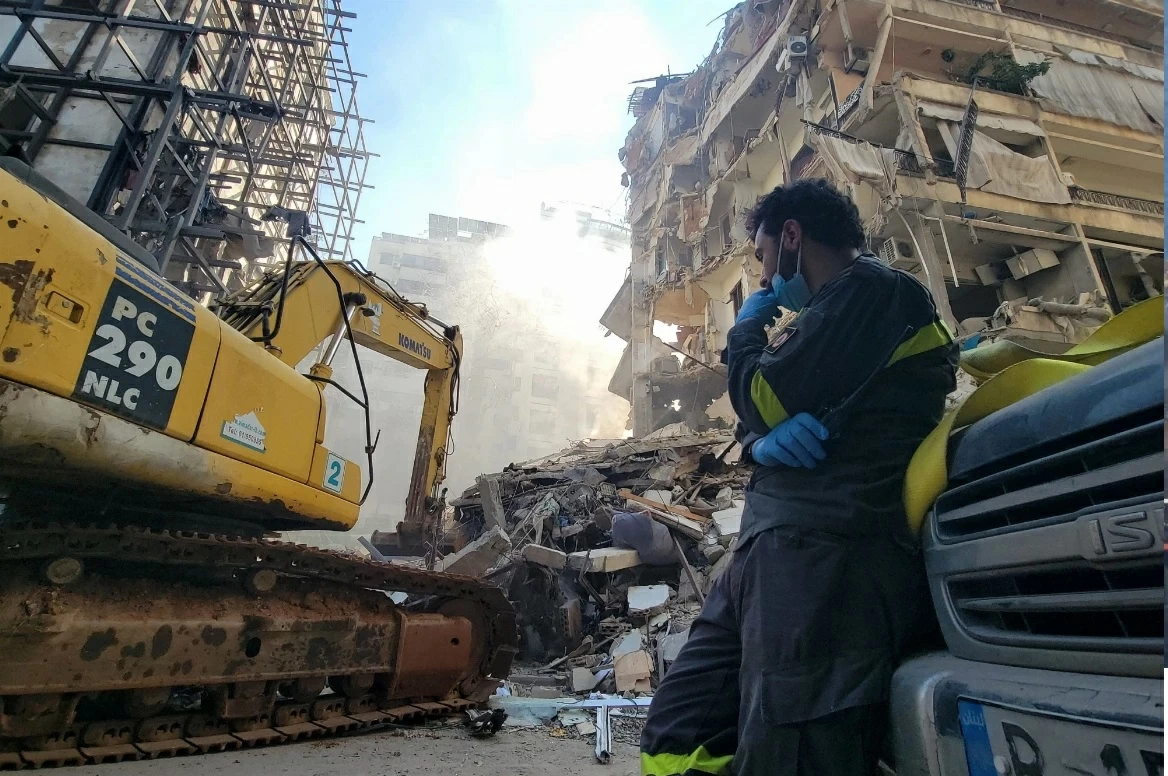
دان الأمين العام لجامعة الدول العربية أحمد أبو الغيط، بشدة، الاعتداءات الإسرائيلية الهمجية وغير المسبوقة على لبنان، التي راح ضحيتها مئات القتلى والجرحى المدنيين الأبرياء، والتي شكلت أعنف موجة غارات جوية منذ سنوات، واستهدفت مناطق سكنية وتجارية في العاصمة بيروت وجنوب لبنان ومناطق أخرى.
وقال أبو الغيط، في بيان صادر اليوم (الأربعاء)، إن هذه الاعتداءات الإسرائيلية غير المبررة، والتي راح ضحيتها مئات القتلى والجرحى من المدنيين الأبرياء، تمثل انتهاكاً سافراً وخطيراً لكافة القوانين الدولية، متهماً إسرائيل بالسعي المتعمد لتخريب اتفاق وقف إطلاق النار بين الولايات المتحدة وإيران.
وأوضح المتحدث باسم الأمين العام جمال رشدي أنه في الوقت الذي يبذل فيه المجتمع الدولي جهوداً حثيثة لنزع فتيل الحرب وتسوية الصراع الدائر، تواصل إسرائيل دورها المعرقل لأية تفاهمات يمكن أن تسهم في استعادة الاستقرار في المنطقة، مرجعاً ذلك إلى سياسات إسرائيل الممنهجة والمفضوحة لإشعال الوضع عبر بوابة لبنان وللإطاحة بأي جهد يصب في مصلحة استعادة الأمن والاستقرار في المنطقة.
وجدد البيان دعوة الجامعة العربية للمجتمع الدولي للضغط على إسرائيل لوقف اعتداءاتها فوراً على لبنان، وتطبيق القرارات الدولية ذات الصلة، مؤكداً تضامن الجامعة الكامل مع لبنان وشعبه في مواجهة هذه المرحلة الصعبة.
وشهدت لبنان اليوم موجة غارات إسرائيلية مكثفة وغير مسبوقة، وصفتها المصادر اللبنانية والدولية بأنها الأعنف منذ بداية التصعيد الحالي، وأطلقت إسرائيل عشرات الغارات الجوية في وقت قصير على أكثر من 100 هدف في أقل من 10 دقائق، استهدفت أحياء سكنية وتجارية في وسط بيروت وأحياء الضاحية الجنوبية، إضافة إلى مناطق في جنوب لبنان والبقاع الشرقي.
وجاءت هذه الغارات بعد ساعات قليلة من إعلان اتفاق وقف إطلاق نار لمدة أسبوعين بين الولايات المتحدة وإيران، إلا أن إسرائيل أكدت أن الاتفاق لا يشمل جبهة لبنان، واستمرت في عملياتها العسكرية ضد أهداف تابعة لحزب الله.
وأسفرت الغارات عن مئات القتلى والجرحى، وأحدثت دماراً واسعاً في المناطق المأهولة، مع تصاعد أعمدة الدخان فوق العاصمة بيروت.
تأتي هذه التطورات في سياق تصعيد إقليمي واسع بدأ منذ أشهر، أدى إلى نزوح نحو مليون شخص داخل لبنان، وتدمير جزء كبير من البنى التحتية، وتُعد هذه الموجة من الغارات الأكبر منذ حرب 2006، مما أثار مخاوف دولية من انزلاق المنطقة إلى حرب شاملة رغم محاولات التهدئة.
The Secretary-General of the Arab League, Ahmed Aboul Gheit, strongly condemned the unprecedented barbaric Israeli attacks on Lebanon, which resulted in hundreds of innocent civilian casualties and injuries, and represented the most intense wave of airstrikes in years, targeting residential and commercial areas in the capital Beirut, southern Lebanon, and other regions.
Aboul Gheit stated in a statement issued today (Wednesday) that these unjustified Israeli attacks, which resulted in hundreds of casualties and injuries among innocent civilians, represent a blatant and serious violation of all international laws, accusing Israel of deliberately seeking to sabotage the ceasefire agreement between the United States and Iran.
The spokesperson for the Secretary-General, Jamal Rushdi, explained that while the international community is making strenuous efforts to defuse the war and resolve the ongoing conflict, Israel continues its obstructive role against any understandings that could contribute to restoring stability in the region, attributing this to Israel's systematic and blatant policies aimed at igniting the situation through Lebanon and undermining any efforts that serve the interests of restoring security and stability in the region.
The statement renewed the Arab League's call for the international community to pressure Israel to immediately halt its attacks on Lebanon and to implement the relevant international resolutions, affirming the League's full solidarity with Lebanon and its people in facing this difficult phase.
Lebanon witnessed today an unprecedented wave of intensive Israeli airstrikes, described by Lebanese and international sources as the most intense since the beginning of the current escalation. Israel launched dozens of airstrikes in a short time on more than 100 targets in less than 10 minutes, targeting residential and commercial neighborhoods in central Beirut and areas in the southern suburbs, in addition to regions in southern Lebanon and the eastern Bekaa.
These airstrikes came just hours after the announcement of a two-week ceasefire agreement between the United States and Iran; however, Israel confirmed that the agreement does not include the Lebanon front and continued its military operations against targets affiliated with Hezbollah.
The airstrikes resulted in hundreds of casualties and injuries and caused widespread destruction in populated areas, with columns of smoke rising over the capital Beirut.
These developments come in the context of a wide regional escalation that began months ago, leading to the displacement of nearly one million people within Lebanon and the destruction of a large part of the infrastructure. This wave of airstrikes is the largest since the 2006 war, raising international concerns about the region slipping into a comprehensive war despite attempts at de-escalation.