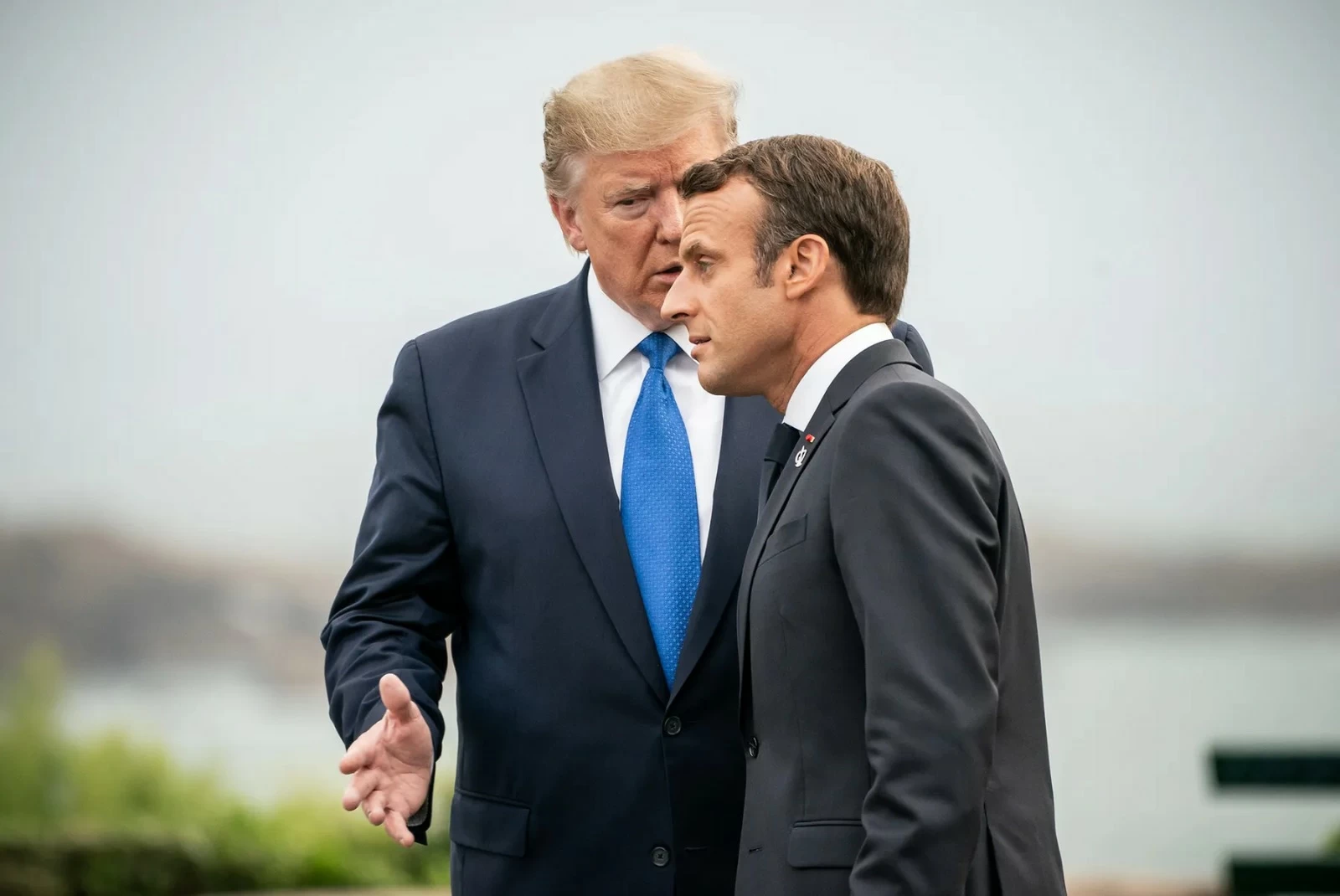
بعد أسابيع من تلقي الزعماء الأوروبيين سيلًا متواصلاً من الانتقادات والازدراء والسخرية من الرئيس الأمريكي دونالد ترمب بشأن حرب إيران، بدأت أوروبا في الرد بقوة، مع بروز الرئيس الفرنسي إيمانويل ماكرون كأكثر الزعماء وحدة في هذا الصدام، في مؤشر على تصاعد التوترات بين ضفتي الأطلسي.
ففي تصريحات أدلى بها أمس الخميس، خلال زيارته لكوريا الجنوبية، هاجم ماكرون ترمب بشدة، متهماً إياه باتباع نهج غير جاد في الحرب، وشن هجمات غير مفيدة على حلف شمال الأطلسي (الناتو)، وقال ماكرون: «عندما نكون جادين، لا نقول عكس ما قلناه في اليوم السابق».
وأضاف: «نحن نتحدث عن حرب، ونتحدث اليوم عن رجال ونساء في ساحة القتال، وعن مدنيين يُقتلون. كما نتحدث عن تأثير هذه الحرب على اقتصاداتنا».
7
تصاعد الخلافات الأوروبية الأمريكية
وبحسب صحيفة «نيويورك تايمز» يُعد هذا العرض الصريح للغضب لافتاً، خصوصا أنه صادر عن زعيم طالما فخر بقدرته على التعامل بلباقة مع الرئيس الأمريكي وتقلباته، لكنه يعكس في الوقت نفسه تصاعد حالة التحدي داخل أوروبا، التي كانت تحاول سابقاً التوفيق بين تحفظاتها العميقة على الحملة العسكرية وبين رغبتها في عدم استفزاز ترمب.
وتتصاعد التوترات حول استخدام المجال الجوي الأوروبي والقواعد العسكرية، حيث رفضت عدة دول السماح للطائرات الأمريكية أو الإسرائيلية بالمرور أو الاستخدام في مهمات هجومية. وحتى زعماء الدول الموالية تقليدياً للولايات المتحدة، مثل بريطانيا، يتحدثون علناً عن ضرورة أن توفر أوروبا أمنها بنفسها، بعيداً عن الاعتماد على أمريكا.
خلاف حول مضيق هرمز
وحتى الجهود الأوروبية لتشكيل تحالف لحماية ممرات التجارة الحيوية في مضيق هرمز - والتي بدأت استجابة لطلب ترمب بمزيد من الدعم الأوروبي - تحولت إلى دليل على أن أوروبا تسير في طريقها الخاص.
فقد رفض الزعماء الأوروبيون، خلال اجتماع هاتفي الخميس، نظمته الحكومة البريطانية، دعوة ترمب للسيطرة العسكرية على المضيق الذي أغلقته إيران فعلياً، أو اتخاذ أي إجراء قبل انتهاء النزاع.
وقال ماكرون في هذا السياق: «هذا لم يكن الخيار الذي اخترناه أبداً، ونعتبره غير واقعي». وأوضح أن السيطرة على المضيق ستستغرق وقتاً لا نهائياً، وستعرض السفن المارة لهجمات إيرانية.
ورغم كل الإهانات التي وجهها ترمب لأوروبا، حاول الزعماء الأوروبيون عدم تحويل الأمر إلى مسألة شخصية. وحتى رئيس الوزراء الإسباني بيدرو سانشيز، الذي أبدى أكبر قدر من الانتقاد العلني للحرب على إيران، نادراً ما يذكر اسم ترمب مباشرة في تصريحاته.
توتر شخصي بين الزعيمين
لكن الخلاف بين ماكرون وترمب بدا أكثر مرارة لأنه يحمل طابعاً شخصياً يتعلق بزوجة الرئيس الفرنسي بريجيت ماكرون.
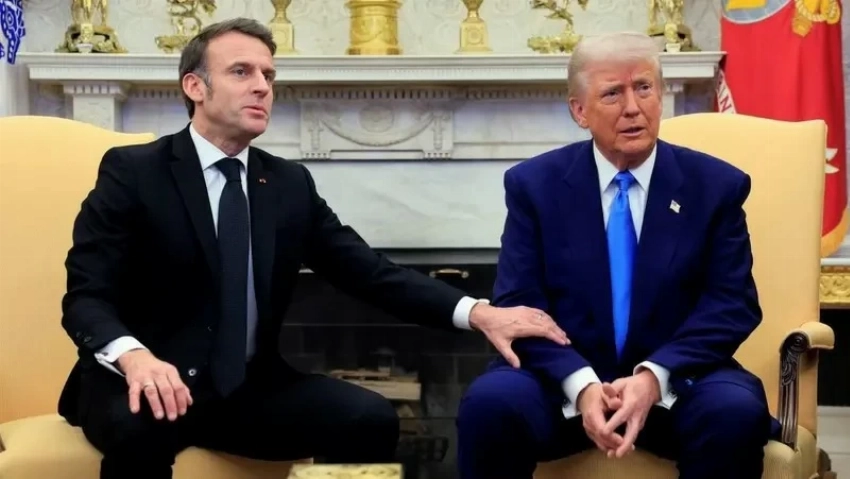
وكان ماكرون يرد جزئياً على تصريحات أدلى بها ترمب خلال غداء عيد الفصح الأربعاء، تضمنت إشارة مهينة إلى حادثة فيديو سابقة يظهر فيها بريجيت ماكرون وهي تدفع زوجها.
وقال ماكرون، وقد بدا غاضباً بوضوح أمام الصحفيين في سول: «هذه التصريحات لم تكن أنيقة ولا تليق بمستوى الرئيس»، وأضاف: «لذلك لن أرد عليها، فهي لا تستحق الرد».
بهذا التعليق، التزم ماكرون بسياسة «الخد الآخر» التي اتبعها زعماء أوروبيون آخرون، مثل رئيس الوزراء البريطاني كير ستارمر، الذي يتجاهل بهدوء سخرية ترمب منه بأنه «ليس ونستون تشرشل»، لكن ذلك لم يمنع ماكرون من توجيه انتقادات حادة لقيادة ترمب في الحرب ولطريقته في التعامل مع الناتو.
وتجاهل ماكرون التهديد الأخير لترمب بتنفيذ ضربات جوية مدمرة ضد إيران، الذي أطلقه في خطاب تلفزيوني الأربعاء. وقال: «لست هنا للتعليق على عملية قررها الأمريكيون مع الإسرائيليين بمفردهم، يمكنهم لاحقاً الشكوى من عدم تلقي الدعم في عملية قرروها لوحدهم إنها ليست عمليتنا».
لكنه أبدى رأيه في الهجمات المتزايدة لترمب على الناتو، والتي اتهم فيها الحلف بعدم مساعدة الولايات المتحدة، وهدد بالانسحاب منه، وقال ماكرون إن هذه الانتقادات تضعف الحلف: «إذا أثير الشك يومياً حول التزامك، فإنك تفرغه من محتواه».
8
مخاوف على مستقبل الناتو
وبدأ مسؤولون أوروبيون آخرون يتحدثون عن التأثير التراكمي لانتقادات ترمب المتكررة للناتو، وقال المتحدث باسم المستشار الألماني فريدريش ميرتس: «هذه ليست المرة الأولى التي يفعل فيها ذلك، وبما أنها ظاهرة متكررة، يمكنكم تقييم العواقب بأنفسكم».
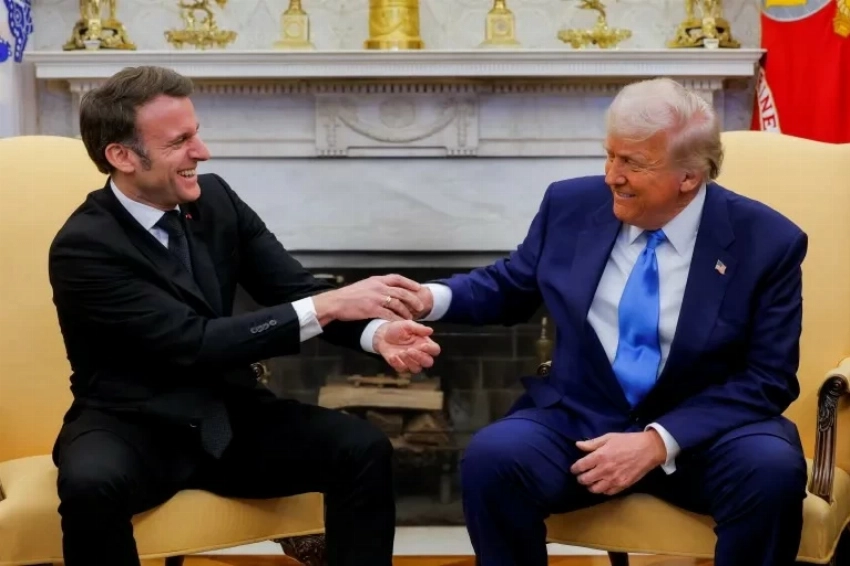
وتُعد علاقة ماكرون بترمب من أكثر العلاقات كثافة بين زعيم أوروبي والرئيس الأمريكي، خصوصا أن ماكرون يتعامل معه للمرة الثانية بعد تسع سنوات في السلطة، بدأت العلاقة بمصافحة طويلة شهيرة عام 2017، ثم توثقت خلال عرض عسكري في يوم الباستيل بباريس، لكنها تدهورت لاحقاً بسبب الرسوم الجمركية والخلافات.
وخلال الولاية الثانية لترمب، ساءت العلاقة مرة أخرى بعد الضربة الإسرائيلية على إيران عام 2025، حيث اتهم ترمب ماكرون بأنه «دائماً يخطئ»، وفي يناير الماضي، نشر ترمب لقطات شاشة لرسائل من ماكرون. ثم بدا أن هناك انفراجاً مؤقتاً في منتصف مارس، عندما وصف ترمب ماكرون بأنه «8 من 10».
تحول في العلاقات عبر الأطلسي
لكن رفض فرنسا المشاركة بشكل أعمق في الحرب أعاد توتر العلاقة، ووصل إلى أدنى مستوى جديد مع سخرية ترمب من حادثة زوجته، التي نفى ماكرون أن تكون خلافاً.
وتشير هذه التطورات إلى مرحلة جديدة من التوتر في العلاقات بين الولايات المتحدة وأوروبا، حيث باتت الدول الأوروبية أكثر جرأة في التعبير عن رفضها للسياسات الأمريكية، مع سعي متزايد لبناء نهج مستقل في الأمن والدفاع.
ويرى مراقبون أن استمرار هذا التباعد قد يعيد تشكيل التحالفات الدولية، خصوصا إذا استمرت الحرب في إيران وتصاعدت تداعياتها السياسية والاقتصادية عالميًا.
After weeks of European leaders receiving a continuous stream of criticism, disdain, and mockery from U.S. President Donald Trump regarding the Iran war, Europe began to respond forcefully, with French President Emmanuel Macron emerging as the most unified leader in this clash, indicating rising tensions across the Atlantic.
In remarks made yesterday, Thursday, during his visit to South Korea, Macron harshly criticized Trump, accusing him of taking a unserious approach to the war and launching unhelpful attacks on NATO. Macron stated, "When we are serious, we do not say the opposite of what we said the previous day."
He added, "We are talking about war, and today we are talking about men and women on the battlefield, and about civilians being killed. We are also discussing the impact of this war on our economies."
7
Escalating European-American Disputes
According to the New York Times, this explicit display of anger is striking, especially coming from a leader who has long prided himself on his ability to handle the U.S. president and his fluctuations with tact, but it simultaneously reflects a rising challenge within Europe, which had previously tried to reconcile its deep reservations about the military campaign with its desire not to provoke Trump.
Tensions are escalating over the use of European airspace and military bases, as several countries have refused to allow U.S. or Israeli planes to pass through or be used for offensive missions. Even leaders of countries traditionally loyal to the United States, like Britain, are publicly discussing the necessity for Europe to provide its own security, away from reliance on America.
Dispute Over the Strait of Hormuz
Even European efforts to form a coalition to protect vital trade routes in the Strait of Hormuz—which began in response to Trump's call for more European support—have turned into evidence that Europe is charting its own course.
European leaders rejected Trump's call for military control of the strait, which Iran has effectively closed, during a conference call on Thursday organized by the British government, or to take any action before the conflict ends.
Macron stated in this context, "This was never the option we chose, and we consider it unrealistic." He explained that controlling the strait would take an indefinite amount of time and would expose passing ships to Iranian attacks.
Despite all the insults Trump has directed at Europe, European leaders have tried not to turn the matter into a personal issue. Even Spanish Prime Minister Pedro Sánchez, who has shown the most public criticism of the war on Iran, rarely mentions Trump's name directly in his statements.
Personal Tension Between the Two Leaders
However, the disagreement between Macron and Trump appeared more bitter because it carries a personal nature related to French President Brigitte Macron.
Macron was partially responding to remarks made by Trump during an Easter lunch on Wednesday, which included a derogatory reference to a previous video incident showing Brigitte Macron pushing her husband.
Macron, clearly angry in front of reporters in Seoul, said, "These remarks were neither elegant nor befitting of a president," adding, "So I will not respond to them; they do not deserve a response."
With this comment, Macron adhered to the "turning the other cheek" policy followed by other European leaders, like British Prime Minister Keir Starmer, who quietly ignores Trump's mockery of him as "not Winston Churchill," but that did not prevent Macron from directing sharp criticisms at Trump's leadership in the war and his handling of NATO.
Macron ignored Trump's recent threat to carry out devastating airstrikes against Iran, which he made in a televised speech on Wednesday. He said, "I am not here to comment on an operation decided by the Americans with the Israelis alone; they can later complain about not receiving support in an operation they decided on their own; it is not our operation."
However, he expressed his opinion on Trump's increasing attacks on NATO, in which he accused the alliance of not helping the United States and threatened to withdraw from it, stating that such criticisms weaken the alliance: "If doubt is raised daily about your commitment, you empty it of its content."
8
Concerns About NATO's Future
Other European officials have begun to speak about the cumulative effect of Trump's repeated criticisms of NATO, with the spokesperson for German Chancellor Friedrich Merz stating, "This is not the first time he has done this, and since it is a recurring phenomenon, you can assess the consequences for yourselves."
Macron's relationship with Trump is one of the most intense relationships between a European leader and the U.S. president, especially since Macron is dealing with him for the second time after nine years in power, with their relationship beginning with a famous long handshake in 2017, then solidified during a military parade on Bastille Day in Paris, but later deteriorated due to tariffs and disputes.
During Trump's second term, the relationship soured again after the Israeli strike on Iran in 2025, where Trump accused Macron of "always being wrong," and last January, Trump published screenshots of messages from Macron. Then there seemed to be a temporary thaw in mid-March when Trump described Macron as "8 out of 10."
A Shift in Transatlantic Relations
However, France's refusal to participate more deeply in the war has reignited tensions in the relationship, reaching a new low with Trump's mockery of the incident involving Macron's wife, which Macron denied was a disagreement.
These developments indicate a new phase of tension in relations between the United States and Europe, where European countries have become bolder in expressing their rejection of U.S. policies, with an increasing effort to build an independent approach to security and defense.
Observers believe that the continuation of this divergence could reshape international alliances, especially if the war in Iran persists and its political and economic repercussions escalate globally.