كشفت مجلة «ذا أتلانتيك» عن خطط أمريكية محتملة للسيطرة على جزيرة خارك واليورانيوم المخصب المرتبط بالبرنامج النووي الإيراني في حالة فشل المفاوضات الجارية.
ونقلت المجلة عن مصادر مطلعة قولها إن مسؤولين عسكريين أمريكيين يخططون لسيناريوهين محتملين لعمليات برية داخل إيران، أحدهما يستهدف جزيرة خارك، مركز صناعة الطاقة الإيرانية، والآخر يهدف للسيطرة على اليورانيوم المخصب المرتبط بالبرنامج النووي الإيراني.
الخطة العسكرية البرية
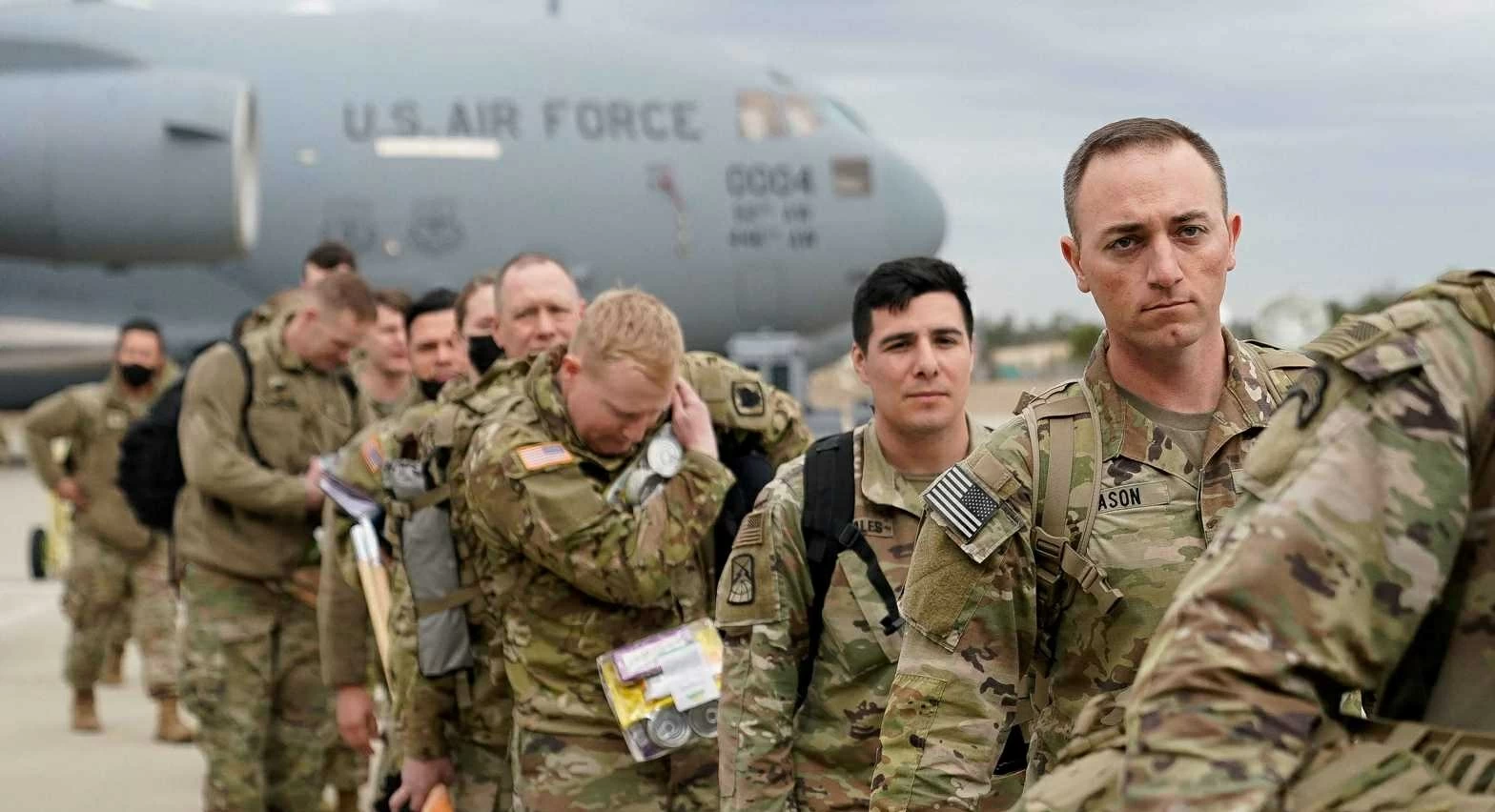
وقالت المصادر إن نشر قوات أمريكية داخل الأراضي الإيرانية سيُعد من أخطر المهمات العسكرية، وإن أياً من العمليتين لا يضمن إنهاء الحرب خلال أسابيع، ولا انهيار النظام الإيراني، ولا إعادة فتح مضيق هرمز، الذي أدى إغلاقه إلى اضطراب أسواق الطاقة العالمية، محذرةً من أن فشل أي عملية قد يؤدي إلى تصعيد الحرب وإطالة أمدها بدلاً من دفع إيران إلى التفاوض، موضحة أن آلاف القوات الأمريكية الإضافية وصلت إلى المنطقة، بينهم نحو 3500 من مشاة البحرية والبحرية خلال الأيام الماضية، ومن المتوقع وصول 3500 آخرين في الأسابيع القادمة، إضافةً إلى وجود مئات من قوات العمليات الخاصة بالفعل في المنطقة، في إطار الاستعداد لخيارات عسكرية محتملة.
وأفادت المصادر أن جزيرة خارك، الواقعة قبالة الساحل الإيراني في الخليج وعلى بعد نحو 400 ميل من مضيق هرمز، تُعد مركزاً رئيسياً لصادرات النفط الإيرانية، ويمر عبرها نحو 90% من صادرات النفط الإيرانية، مبينة أن السيطرة عليها قد تقطع مصدراً رئيسياً لإيرادات إيران وتوفر ورقة ضغط في المفاوضات.
مخاطر العملية البرية
وحذرت المصادر من أن العملية ستكون محفوفة بالمخاطر، إذ قد تضطر القوات الأمريكية إلى عبور مياه ملغّمة، والدفاع ضد هجمات بطائرات مسيّرة وصواريخ، كما أن التأثير الاقتصادي على إيران قد يستغرق أسابيع، متوقعة تفاعل الأسواق العالمية فوراً مع مثل هذه الخطوات، وارتفاع أسعار النفط بشكل كبير، ما قد يهدد بحدوث ركود اقتصادي عالمي، في حين قد يتطلب الاحتفاظ بالجزيرة بقاءً عسكرياً أمريكياً لفترة طويلة.
وأوضح ثلاثة مسؤولين أمريكيين أن هناك مناقشات جارية بشأن احتمال التوصل إلى وقف إطلاق نار بين الولايات المتحدة وإيران مقابل إعادة فتح مضيق هرمز.
وأشارت المصادر إلى أن المسؤولين العسكريين يدرسون إرسال قوات من العمليات الخاصة إلى داخل إيران للسيطرة على اليورانيوم عالي التخصيب المرتبط بالبرنامج النووي الإيراني، معتبرةً أن إدخال القوات، على الأرجح جواً، سيكون خطيراً، ومن المتوقع أن ترد القوات الإيرانية بسرعة، كما أن استعادة المواد النووية ستكون عملية معقدة، خصوصاً بعد أن أدت ضربات أمريكية وإسرائيلية سابقة إلى تدمير مداخل بعض مواقع التخزين المشتبه بها.
مكاسب وخسائر العملية العسكرية
واعتبرت المصادر هذه العملية بأنها قد تسمح للإدارة الأمريكية بالقول إنها أزالت عنصراً رئيسياً من البرنامج النووي الإيراني، لكنها لا تضمن إعادة فتح مضيق هرمز أو عودة الملاحة الطبيعية فيه، مشيرة إلى أن ترمب لم يقرر بعد ما إذا كان سيوافق على أي من هذين الخيارين، وهما تنفيذ عملية خارك، أو إرسال قوات للسيطرة على اليورانيوم، وقد لا ينفذ أياً منهما، في حين يأمل بعض العسكريين أن تدفع المخاطر والشكوك بشأن قدرة هذه العمليات على إنهاء الحرب الإدارة إلى تجنب التصعيد.
ورأت المصادر أن عدم تنفيذ هذه الخيارات قد يعني استمرار سيطرة إيران على ممر مائي حيوي وارتفاع أسعار الطاقة، ما سيجعل الولايات المتحدة تعتمد على الجهود الدبلوماسية لإنهاء الحرب، أو قد يدفع الرئيس الأمريكي إلى الانسحاب من الصراع وترك الملف لحلفاء الولايات المتحدة.
The Atlantic magazine revealed potential American plans to take control of Khark Island and the enriched uranium associated with the Iranian nuclear program in the event that ongoing negotiations fail.
The magazine quoted informed sources as saying that American military officials are planning two potential scenarios for ground operations inside Iran, one targeting Khark Island, the center of Iranian energy production, and the other aiming to seize the enriched uranium linked to the Iranian nuclear program.
The Ground Military Plan
Sources stated that deploying American forces within Iranian territory would be one of the most dangerous military missions, and that neither operation guarantees an end to the war within weeks, nor the collapse of the Iranian regime, nor the reopening of the Strait of Hormuz, whose closure has disrupted global energy markets. They warned that failure of any operation could lead to an escalation of the war and prolong its duration instead of pushing Iran to negotiate, clarifying that thousands of additional American troops have arrived in the region, including about 3,500 Marines and Navy personnel in recent days, with another 3,500 expected to arrive in the coming weeks, in addition to hundreds of special operations forces already present in the area, as part of preparations for potential military options.
Sources reported that Khark Island, located off the Iranian coast in the Gulf and about 400 miles from the Strait of Hormuz, is a major center for Iranian oil exports, with about 90% of Iranian oil exports passing through it, indicating that controlling it could cut off a major source of revenue for Iran and provide leverage in negotiations.
Risks of the Ground Operation
Sources warned that the operation would be fraught with risks, as American forces might have to cross mined waters and defend against drone and missile attacks. They noted that the economic impact on Iran could take weeks, expecting global markets to react immediately to such steps, with oil prices rising significantly, which could threaten a global economic recession, while maintaining control of the island might require a prolonged American military presence.
Three American officials clarified that discussions are ongoing regarding the possibility of reaching a ceasefire between the United States and Iran in exchange for reopening the Strait of Hormuz.
Sources indicated that military officials are considering sending special operations forces into Iran to seize the highly enriched uranium associated with the Iranian nuclear program, considering that deploying the forces, likely by air, would be dangerous, and Iranian forces are expected to respond quickly. They also noted that recovering nuclear materials would be a complex process, especially after previous American and Israeli strikes destroyed entrances to some suspected storage sites.
Gains and Losses of the Military Operation
Sources considered that this operation could allow the American administration to claim it has removed a key element of the Iranian nuclear program, but it does not guarantee the reopening of the Strait of Hormuz or the return of normal navigation through it. They pointed out that Trump has not yet decided whether to approve either of these options, which are executing the Khark operation or sending forces to seize the uranium, and he may not implement either. Meanwhile, some military officials hope that the risks and uncertainties regarding the ability of these operations to end the war will lead the administration to avoid escalation.
Sources viewed that not executing these options could mean Iran's continued control over a vital waterway and rising energy prices, which would make the United States rely on diplomatic efforts to end the war, or it could push the American president to withdraw from the conflict and leave the matter to America's allies.