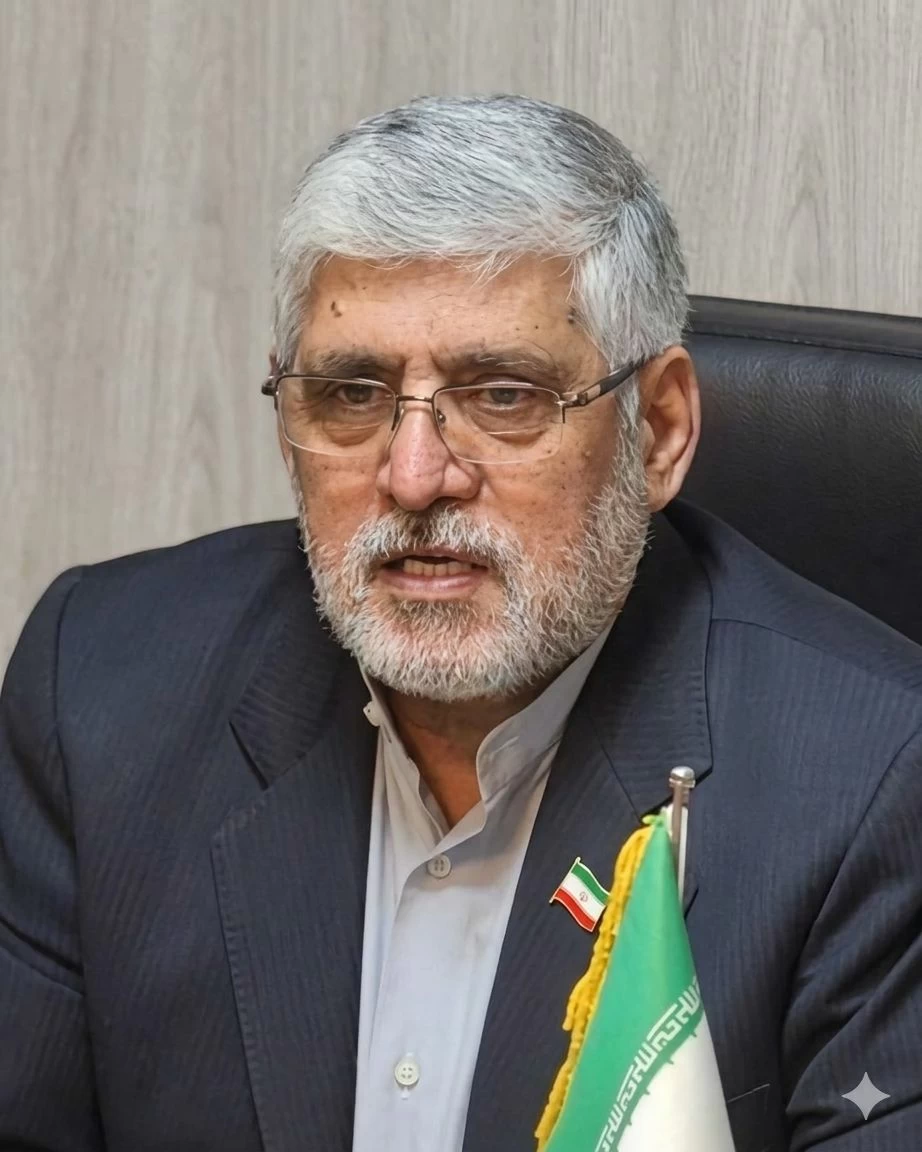
تنتهي المهلة التي حددتها وزارة الخارجية اللبنانية لمغادرة السفير الإيراني محمد رضا شيباني خلال ساعات، بعد قرار سحب اعتماده وإعلانه شخصاً غير مرغوب فيه على خلفية «انتهاك طهران» أعراف التعامل الدبلوماسي وأصوله المرعية بين البلدين، ليدخل لبنان لحظة مفصلية قد تعيد رسم حدود الاشتباك السياسي والأمني داخل البلاد.
القرار لم يعد نظرياً، ومع حلول يوم غد (الأحد) يصبح السفير أمام خيارين: المغادرة، أو البقاء مع ما يعنيه ذلك من سقوط فعلي للحصانة الدبلوماسية. وهنا تبدأ المشكلة الحقيقية، فالتعامل مع سفير فقد حصانته ليس إجراءً إدارياً، بل خطوة ذات كلفة سياسية وأمنية عالية، قد تضع الدولة في مواجهة مباشرة مع بيئة سياسية وشعبية رافضة.
مصادر حكومية تصر على أن التراجع «غير وارد»، باعتباره اختباراً لما تبقى من سلطة الدولة. في المقابل، يرتفع منسوب التحدي في الضفة الأخرى. حزب الله وحلفاؤه يرفضون القرار بشكل قاطع، ويعتبرونه استهدافاً سياسياً للعلاقة مع طهران، مع دعوات علنية لعدم مغادرة السفير، بل وتهيئة الشارع لتحركات داعمة له. هذا الرفض لا يبقى في الإطار السياسي فقط، بل يتوسع إلى غطاء ديني وشعبي، ما يزيد احتمالات الاحتكاك مع أي خطوة تنفيذية.
داخل الحكومة نفسها، لم يعد التماسك مضموناً، فخطوة وزير التنمية الإدارية (الشيعي) فادي مكي بكسر مقاطعة وزراء الثنائي لجلسة مجلس الوزراء الخميس الماضي، رغم تواصله مع رئيس مجلس النواب نبيه بري، تكشف أن الانقسام لم يعد فقط بين معسكرين، بل داخل الصف الواحد أيضاً، وهذا مؤشر خطير على صعوبة ضبط الإيقاع السياسي في الساعات القادمة.
العنصر الأكثر حساسية هو التوقيت، فالمهلة تنتهي بعد أقل من 24 ساعة، نفذت خلالها إسرائيل غارة في محيط السفارة الإيرانية ببيروت، ما يضخ بعداً إقليمياً مباشراً في الأزمة. أي أنه لم يعد الأمر مجرد خلاف دبلوماسي، بل تقاطع واضح بين الضغط الخارجي والانقسام الداخلي.
فكيف سيكون المشهد غداً على خلفية كل هذه المعطيات؟
مصادر في وزارة الخارجية اللبنانية أوضحت لـ«عكاظ» أنه يمكن لشيباني البقاء داخل مبنى السفارة، باعتبار أن قوى الأمن لا تملك صلاحية الدخول إليها، إلا أنه خارجها لا يُعد مرحباً به.
وحول المعلومات المتداولة عن إمكانية تعيين سفير بديل لشيباني، أكدت المصادر أن «المشكلة لا تكمن في الشخص بقدر ما ترتبط بإيران وسياستها».
السيناريوهات غداً مفتوحة، لكن أخطرها اثنان: إما أن تُنفذ الدولة قرارها وتدخل في مواجهة سياسية وربما ميدانية، أو أن تتراجع تحت الضغط، ما يعني ضربة قاسية لما تبقى من هيبتها. بين هذين الخيارين يقف لبنان أمام لحظة اختبار حقيقية... والعدّ العكسي بدأ بالفعل.
The deadline set by the Lebanese Ministry of Foreign Affairs for the departure of Iranian Ambassador Mohammad Reza Sheibani ends within hours, following the decision to withdraw his accreditation and declare him a persona non grata due to "Tehran's violation" of diplomatic norms and established protocols between the two countries. This places Lebanon at a pivotal moment that could redraw the boundaries of political and security engagement within the country.
The decision is no longer theoretical, and with tomorrow (Sunday) approaching, the ambassador faces two options: to leave or to stay, which would effectively mean the loss of diplomatic immunity. Herein lies the real problem; dealing with an ambassador who has lost his immunity is not merely an administrative procedure but a step with high political and security costs that could put the state in direct confrontation with a political and popular environment that rejects it.
Government sources insist that retreat is "not an option," as it represents a test of what remains of state authority. Conversely, the level of challenge is rising on the other side. Hezbollah and its allies categorically reject the decision, considering it a political targeting of the relationship with Tehran, with public calls for the ambassador not to leave, and even preparing the streets for supportive movements. This rejection does not remain solely within the political framework but expands to include religious and popular backing, increasing the likelihood of friction with any executive step.
Within the government itself, cohesion is no longer guaranteed. The action taken by Minister of Administrative Development (Shia) Fadi Makki to break the boycott of the ministers of the duo during last Thursday's Cabinet session, despite his communication with Speaker of Parliament Nabih Berri, reveals that the division is no longer just between two camps but also within the same ranks. This is a dangerous indicator of the difficulty of controlling the political rhythm in the coming hours.
The most sensitive element is the timing, as the deadline ends in less than 24 hours, during which Israel has carried out an airstrike in the vicinity of the Iranian embassy in Beirut, adding a direct regional dimension to the crisis. This means that the situation is no longer merely a diplomatic dispute but a clear intersection between external pressure and internal division.
So what will the scene look like tomorrow against the backdrop of all these factors?
Sources in the Lebanese Ministry of Foreign Affairs clarified to "Okaz" that Sheibani can remain inside the embassy building, as security forces do not have the authority to enter it; however, outside, he is not considered welcome.
Regarding the circulating information about the possibility of appointing a replacement ambassador for Sheibani, the sources confirmed that "the problem does not lie with the person as much as it is related to Iran and its policies."
The scenarios for tomorrow are open, but the most dangerous two are: either the state implements its decision and enters into a political and possibly field confrontation, or it retreats under pressure, which would mean a severe blow to what remains of its prestige. Between these two options, Lebanon stands at a moment of true testing... and the countdown has already begun.