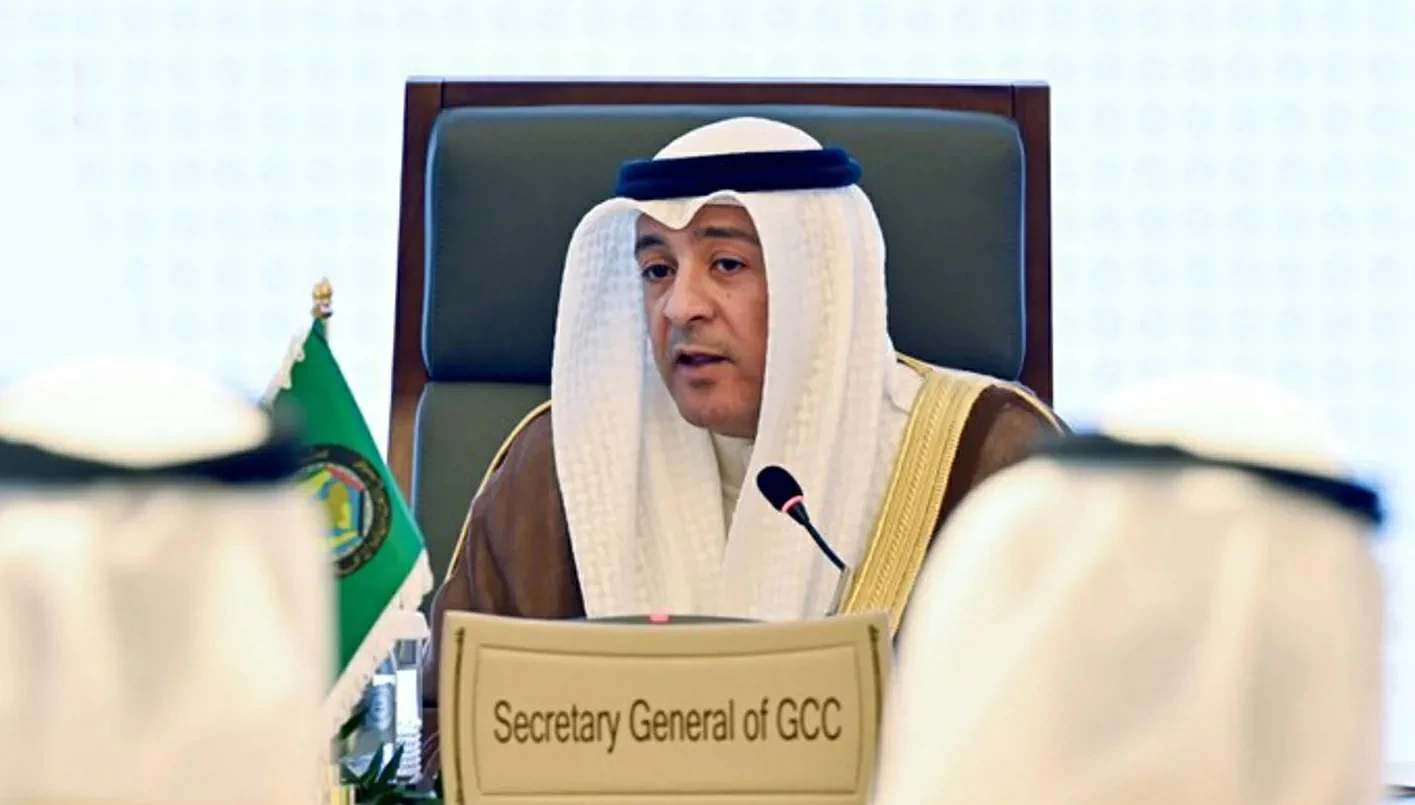
كشف أمين عام مجلس التعاون الخليجي جاسم البديوي، أن إيران وجهت نحو 85% من صواريخها تجاه دول الخليج، مشدداً على أن السلوك الإيراني في المنطقة تخطى كل الحدود، واضعاً 3 مبادئ رئيسية للتعامل مع الاعتداءات الإيرانية.
نرفض استمرار الخداع
وقال البديوي في إحاطة شاملة موجهة للإعلاميين، اليوم الخميس: إن دول الخليج لن تقبل باستمرار الخداع وتغليف العدوان بمبررات زائفة، لافتاً إلى أنها تتحلى بأعلى درجات ضبط النفس تجاه العدوان الإيراني، غير أنها آثرت عدم الرد لكيلا تتوسع رقعة الصراع.
وجدد أمين مجلس التعاون التأكيد على أن دول الخليج تفضل الخيارات الدبلوماسية، مجدداً التذكير بأن دول الخليج بذلت مساعي دبلوماسية عديدة لتجنب التصعيد، بالرغم من تأكيدها عدم استخدام أراضيها بشن أي هجوم على إيران إلا أن الأخيرة استمرت في تنفيذ عمليات عسكرية تجاه الخليج طالت العديد من المنشآت المدنية والسكنية.
حق دول الخليج في الدفاع عن النفس
ولفت في إطار استعراض حجم العدوان الإيراني بأكثر من 5000 صاروخ ومسيرة، مؤكداً أن حق دول الخليج في الدفاع عن النفس مكفول بالقانون الدولي، قائلاً: «لن نقبل باستمرار الخداع وتغليف العدوان بمبررات زائفة».
وشدّد على ضرورة إشراك دول مجلس التعاون في أي محادثات أو اتفاقيات لحل هذه الأزمة، بما يسهم في تعزيز حفظ أمنها واستقرارها، وضمان عدم تكرار هذه الاعتداءات مرة أخرى.
وقال إن إيران أغلقت مضيق هرمز ومنعت مرور السفن التجارية وناقلات النفط وفرضت مبالغ على العبور في المضيق، وهذا تعد سافر.
انتهاك خطير لسيادة الدول
وكان مجلس التعاون لدول الخليج العربية عبر عن رفضه وإدانته بأشد العبارات للاعتداءات الإيرانية الآثمة التي استهدفت دول المجلس بالإضافة إلى المملكة الأردنية الهاشمية.
وأكد أنها تمثل انتهاكا خطيرا لسيادة هذه الدول، ولمبادئ حسن الجوار، ومخالفة واضحة للقانون الدولي وميثاق الأمم المتحدة مهما كانت الذرائع والمبررات، فضلاً عن أن استهداف المدنيين والأعيان المدنية يشكل خرقاً جسيماً لقواعد القانون الدولي الإنساني.
وعبر المجلس عن التضامن الكامل بين دول المجلس ووقوفها صفاً واحداً للتصدي لهذه الاعتداءات، مشددا على أن أمن دوله كلٌ لا يتجزأ، وأن أي اعتداء تتعرض له أي دولة عضو هو اعتداء مباشر على كافة دول المجلس، وفقاً للنظام الأساسي لمجلس التعاون واتفاقية الدفاع المشترك. وأكد احتفاظ دول المجلس بحقها القانوني في الرد، وفقاً للمادة (51) من ميثاق الأمم المتحدة التي تكفل حق الدفاع عن النفس للدول فردياً وجماعياً في حال تعرضها للعدوان، واتخاذ كافة الإجراءات التي تحفظ سيادتها وأمنها واستقرارها.
The Secretary-General of the Gulf Cooperation Council, Jasem Al-Budaiwi, revealed that Iran has directed about 85% of its missiles towards Gulf countries, emphasizing that Iranian behavior in the region has crossed all boundaries, and outlining three main principles for dealing with Iranian aggressions.
We reject the continuation of deception
Al-Budaiwi stated in a comprehensive briefing directed to journalists today, Thursday, that Gulf countries will not accept the continuation of deception and wrapping aggression in false justifications, noting that they have exhibited the highest levels of restraint towards Iranian aggression, yet chose not to respond in order to prevent the escalation of conflict.
The Secretary-General of the Cooperation Council reiterated that Gulf countries prefer diplomatic options, reminding that they have made numerous diplomatic efforts to avoid escalation, despite confirming that they will not use their territories to launch any attack on Iran; however, the latter continued to carry out military operations against the Gulf, targeting many civilian and residential facilities.
The right of Gulf countries to self-defense
He pointed out, while reviewing the scale of Iranian aggression with more than 5,000 missiles and drones, that the right of Gulf countries to self-defense is guaranteed by international law, stating: “We will not accept the continuation of deception and wrapping aggression in false justifications.”
He stressed the necessity of involving the Gulf Cooperation Council countries in any discussions or agreements to resolve this crisis, which contributes to enhancing their security and stability, and ensures that such aggressions do not occur again.
He mentioned that Iran has closed the Strait of Hormuz, preventing the passage of commercial ships and oil tankers, and imposed fees for crossing the strait, which is a blatant violation.
Serious violation of the sovereignty of states
The Gulf Cooperation Council expressed its rejection and condemnation in the strongest terms of the Iranian aggressions that targeted the Council's countries in addition to the Hashemite Kingdom of Jordan.
It affirmed that these actions represent a serious violation of the sovereignty of these states, of the principles of good neighborliness, and a clear violation of international law and the United Nations Charter, regardless of the pretexts and justifications, in addition to the fact that targeting civilians and civilian objects constitutes a grave breach of the rules of international humanitarian law.
The Council expressed full solidarity among the member states and their unified stance in confronting these aggressions, stressing that the security of its states is indivisible, and that any aggression against any member state is a direct aggression against all Council states, in accordance with the basic charter of the Cooperation Council and the joint defense agreement. It affirmed that the member states retain their legal right to respond, in accordance with Article (51) of the United Nations Charter, which guarantees the right of self-defense for states individually and collectively in the event of aggression, and to take all measures that preserve their sovereignty, security, and stability.