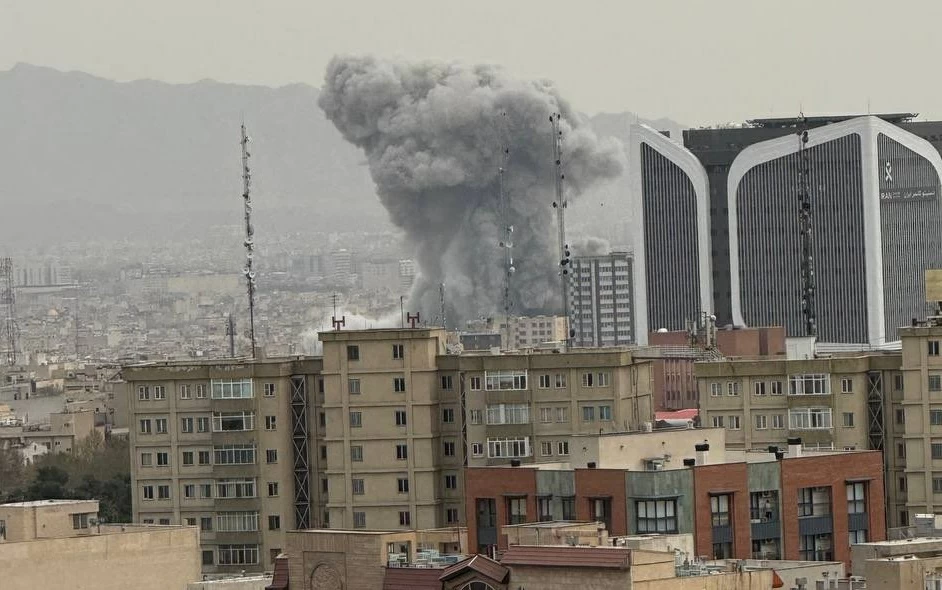
باتت أوضاع الشرق الأوسط والعالم عُرضة لتغيُّرات قد يكون بعضها كارثياً. وربما ترتب على بعضها مزيد من التصعيد العسكري؛ بل أضحت التهديدات التي تتبادلها واشنطن وطهران مثار قلق عالمي، خصوصاً أن الحرب التي تشنها إسرائيل والولايات المتحدة على إيران تدخل غداً (الثلاثاء) يومها الـ 24، ولم تقتصر تبعاتها على ارتفاع أسعار النفط، وتهاوي أسعار الذهب والفضة والمعادن والعملات الرقمية؛ بل أسفرت عن مخاوف من «محو» إيران من على وجه الأرض، الذي توعّده لها الرئيس الأمريكي دونالد ترمب، ومن استهداف إيران منشآت الطاقة، ومحطات التحلية والكهرباء بحسب تهديدات إيرانية.
مهلة جديدة من ترمب
ولا يعرف أحد ماذا سيفعل ترمب بعد نهاية إنذاره الجديد لإيران بأن أمامها مهلة جديدة لمدة 5 أيام من أجل المحادثات التي وصفها بالجيدة والمثمرة، وردت طهران بنفي وجود مفاوضات والتهديد بأنها ستقابل تهديدات ترمب بأنها ستغلق مضيق هرمز بالألغام.
وارتفع سعر البرميل من خام برنت القياسي النفطي لليوم الخامس على التوالي ليصل الى 113 دولاراً؛ فيما قارب سعر البرميل من خام غرب تكساس الوسيط 100 دولار. ولم تقتصر تهديدات إيران في المقابل على معامل الطاقة في دول الخليج - التي لا تزال تتعرض لهجمات بالمسيرات والصواريخ الباليستية منذ اندلاع الحرب. فقد نشرت إيران «قائمة أهداف» توعدت باستهدافها إذا قصف ترمب محطات الكهرباء الإيرانية. وتشمل القائمة معمل البركة للطاقة النووية الإماراتي، الذي يبعد نحو 290 كيلومتراَ الى الغرب من أبو ظبي.
بريطانيا تبحث التبعات الاقتصادية
وفي لندن، عقد رئيس وزراء بريطانيا سير كير ستارمر اجتماعاً اليوم للمجلس الأمني الحكومي لدرس التبعات الاقتصادية التي ستنجم عن استمرار إغلاق مضيق هرمز، خصوصاً الغلاء الذي سيواجهه البريطانيون في شراء السلع الاستهلاكية. ونقلت صحيفة «ديلي تلغراف» (الإثنين) عن مجلس الدفاع الإيراني قوله إن أي هجوم أمريكي على جزيرة خارك سيدفع طهران لزرع الألغام في جميع مياه الخليج.
وكانت واشنطن لوحت مراراً باحتلال جزيرة خارك التي يتم تصدير 90% من صادرات النفط الإيراني منها. وقال بيان مجلس الدفاع الإيراني الصادر اليوم (الإثنين) إن تنفيذ الهجمات الأمريكية سيؤدي الى نشر ألغام في جميع مداخل الخليج، بما في ذلك الألغام السطحية التي يمكن إطلاقها من الساحل الإيراني. ويشار إلى أنه خلال ما عرف بـ «حرب الناقلات» في ثمانينات القرن الـ 20 لم تفلح أكثر من 100 كاسحة ألغام في شيء سوى إزاحة عدد ضئيل جداً من الألغام البحرية..
أزمتان نفطيتان وأخرى تتعلق بالغاز
ولم تخف عواصم أوروبا الغربية قلقها من التبعات المحتملة للحرب الراهنة. وناقشت صحف باريس وبروكسل ولندن السيناريوهات المحتملة لتوقف شحنات النفط والغاز من دول الخليج.
وحذر مدير الوكالة الدولية للطاقة فاتح بيرول، في مناسبة في كانبيرا بأستراليا اليوم (الإثنين)، من أن أزمة الطاقة والوقود التي ستنجم عن الحرب ستفوق الأزمتين اللتين شهدهما العالم في عامي 1979 و1973، ونقص الغاز الناجم عن الحرب الروسية على أوكرانيا في 2022. وقال بيرول: هذه الأزمة هي الآن أزمتان نفطيتان وأخرى تتعلق بالغاز الطبيعي. وزاد أن إغلاق مضيق هرمز، والهجمات على المنشآت النفطية أدت الى خفض الإمدادات العالمية للطاقة بنحو 11 مليون برميل نفط يومياً.
العد التنازلي لوقف الحرب
وفي سياق متصل؛ أدت الحرب ومخاوف تبعاتها واحتمالات تفاقمها إلى هبوط كبير في سعر الذهب، بنحو 6%. وبيعت أونصة الذهب اليوم بـ 4.214.89 دولار. وهو أضعف وضع منذ 43 عاماً. وانخفض سعر النحاس، والفضة في البورصات العالمية.
وقال مراقبون إن تصريحات ترمب حيال الحرب وتأثيراتها يزيد البلبلة في أذهان السكان، الذين يتطلعون لنهاية قريبة للحرب. وكان ترمب أعلن الأحد أن العد التنازلي لوقف الحرب بدأ؛ في وقت أفاد بأنه يجهز 2400 من مشاة البحرية الأمريكية للتوجه إلى السواحل الإيرانية.
وقال رئيس البرلمان الإيراني باقر قاليباف، في تغريدة على موقع إكس (الأحد)، إن البنية الأساسية في المنطقة ستصبح «أهدافاً مشروعة»، إذا تم ضرب المرافق الإيرانية. وحذر من أن من شأن ذلك أن يزيد أسعار النفط زيادة كبيرة قد تستمر طويلاً. وأشارت شبكة «سي ان ان» إلى أن وكالة «مهر» الإيرانية نشرت خارطة لمحطات الطاقة في بلدان الخليج. وكتبت: «قولوا وداعاً للكهرباء إذا نفذ ترمب وعيده». وأضافت: «حتى في حالة تنفيذ أقل هجوم على البنية الأساسية للكهرباء في إيران؛ فإن المنطقة كلها ستغرق في ظلام دامس؛ إذ إن ما يراوح بين 70% و80% من معامل الكهرباء الكبرى تقع بمحاذاة ساحل الخليج. وكلها مناطق تقع في مرمى الردع الإيراني». ولم تمنع التهديدات الإيرانية المتوالية معلقين من وصفها بأنها تهديدات جوفاء.
إسرائيل تعتبر بقاء إيران «احتمالاً حقيقياً»
على رغم أن الحرب الإسرائيلية الأمريكية الإيرانية، التي تقترب من أسبوعها الخامس، لم تؤد إلى استسلام إيران، رغم فداحة الخسائر التي لحقت بمرافقها، وقياداتها السياسية والعسكرية والأمنية. ذكرت مجلة «نيوزويك» الأمريكية اليوم (الإثنين) أن مسؤولين إسرائيليين أفضوْا لها أن النزاع سينتهي على الأرجح ببقاء الحكومة الإيرانية المعادية لإسرائيل، رغم الضبابية التي تكتنف مستقبلها.
ونسبت إلى مسؤول عسكري إسرائيلي قوله: من الضروري أن نقبل بأن هذا النظام الإيراني، وهو بلد يفوق حجم إسرائيل بـ 80 ضعفاً، أو نصف حجم أوروبا، وقد بنى آلة أمنية ضخمة على مدى عقود، وهم الآن في وضع سيدرسون فيه إعلان النصر إذا كتبت لهم النجاة.
وشدد مسؤول إسرائيلي آخر على أن إسرائيل لم تنطلق لمحاربة إيران من فرضية تغيير النظام؛ «لكننا عقدنا العزم بدلاً من ذلك على إزالة تهديد وجودي. ومن شأن ذلك أن يؤدي إلى توفير الظروف الملائمة لتغيير النظام إذا اختار الشعب الإيراني القيام بذلك.
وأضاف: قد تسفر النتيجة عن ادعاء كل من أطراف الحرب بأنه حقق النصر. أعتقد أن هناك سيناريو تنتهي من خلاله الحرب الراهنة بإعلان النظام الإيراني أنه يعتقد بأنه حقق الانتصار. وستعلن إسرائيل والولايات المتحدة أنها كسبتا الحرب. وذكرت «نيوزويك» أن قنصل إسرائيل في نيويورك عوفير أكونيس أبلغها بأن قوات الأمن الإيرانية تدير إيران منذ اغتيال مرشدها علي خامنئي في أول أيام الحرب.
The situations in the Middle East and the world have become susceptible to changes, some of which may be catastrophic. Some of these changes may lead to further military escalation; indeed, the threats exchanged between Washington and Tehran have become a source of global concern, especially as the war waged by Israel and the United States against Iran enters its 24th day today (Tuesday). The repercussions have not been limited to rising oil prices, falling gold and silver prices, and the decline of cryptocurrencies; they have also raised fears of the "eradication" of Iran from the face of the earth, a threat made by U.S. President Donald Trump, and of targeting Iran's energy facilities, desalination plants, and power stations according to Iranian threats.
A New Deadline from Trump
No one knows what Trump will do after the end of his new ultimatum to Iran, which gives it a new deadline of 5 days for what he described as good and fruitful talks. Tehran responded by denying the existence of negotiations and threatening that it would meet Trump's threats by closing the Strait of Hormuz with mines.
The price of a barrel of Brent crude oil rose for the fifth consecutive day to reach $113, while the price of West Texas Intermediate crude approached $100. Iran's threats, in turn, have not been limited to energy facilities in Gulf countries, which have continued to face attacks by drones and ballistic missiles since the outbreak of the war. Iran has published a "target list" that it vowed to hit if Trump bombs Iranian power stations. The list includes the Barakah nuclear power plant in the UAE, which is located about 290 kilometers west of Abu Dhabi.
Britain Considers Economic Consequences
In London, British Prime Minister Sir Keir Starmer held a meeting yesterday of the government security council to discuss the economic repercussions that would result from the continued closure of the Strait of Hormuz, particularly the inflation that Britons would face in purchasing consumer goods. The "Daily Telegraph" reported (on Monday) that the Iranian defense council stated that any American attack on Khark Island would prompt Tehran to plant mines in all Gulf waters.
Washington has repeatedly threatened to occupy Khark Island, from which 90% of Iranian oil exports are shipped. The statement from the Iranian defense council issued yesterday (Monday) indicated that the execution of American attacks would lead to the deployment of mines at all entrances to the Gulf, including surface mines that could be launched from the Iranian coast. It is noted that during what was known as the "Tanker War" in the 1980s, more than 100 minesweepers failed to remove anything but a very small number of naval mines.
Two Oil Crises and Another Related to Gas
Western European capitals have not hidden their concerns about the potential repercussions of the current war. Newspapers in Paris, Brussels, and London discussed the possible scenarios for halting oil and gas shipments from Gulf countries.
Fatih Birol, the director of the International Energy Agency, warned at an event in Canberra, Australia yesterday (Monday) that the energy and fuel crisis resulting from the war would surpass the two crises experienced by the world in 1979 and 1973, as well as the gas shortage resulting from the Russian war on Ukraine in 2022. Birol stated: This crisis is now two oil crises and another related to natural gas. He added that the closure of the Strait of Hormuz and attacks on oil facilities have led to a reduction in global energy supplies by about 11 million barrels of oil per day.
The Countdown to End the War
In a related context, the war and fears of its repercussions and the possibility of its escalation have led to a significant drop in the price of gold, by about 6%. An ounce of gold was sold yesterday for $4,214.89. This is the weakest position in 43 years. The prices of copper and silver have also fallen in global exchanges.
Observers have stated that Trump's statements regarding the war and its effects increase confusion in the minds of the population, who are looking forward to a near end to the war. Trump announced on Sunday that the countdown to end the war has begun; at the same time, he indicated that he is preparing 2,400 U.S. Marines to head to the Iranian coasts.
Iranian Parliament Speaker Mohammad Baqer Qalibaf tweeted on X (Sunday) that the infrastructure in the region would become "legitimate targets" if Iranian facilities were struck. He warned that this could lead to a significant increase in oil prices that could last a long time. CNN reported that the Iranian news agency Mehr published a map of power stations in Gulf countries. It wrote: "Say goodbye to electricity if Trump carries out his threats." It added: "Even in the case of the slightest attack on the electricity infrastructure in Iran, the entire region will be plunged into complete darkness, as between 70% and 80% of major power plants are located along the Gulf coast. All of these areas are within the range of Iranian deterrence." Iranian threats have not prevented commentators from describing them as empty threats.
Israel Considers Iran's Survival a "Real Possibility"
Despite the fact that the Israeli-American-Iranian war, which is approaching its fifth week, has not led to Iran's surrender, despite the heavy losses inflicted on its facilities and political, military, and security leadership, the American magazine "Newsweek" reported yesterday (Monday) that Israeli officials revealed to it that the conflict is likely to end with the survival of the anti-Israel Iranian government, despite the uncertainty surrounding its future.
It attributed to an Israeli military official saying: It is essential that we accept that this Iranian regime, which is 80 times larger than Israel or half the size of Europe, has built a massive security apparatus over decades, and they are now in a position where they will consider declaring victory if they survive.
Another Israeli official emphasized that Israel did not embark on fighting Iran with the assumption of regime change; "but we have instead resolved to remove an existential threat. This could create the conditions for regime change if the Iranian people choose to do so."
He added: The outcome may result in both sides of the war claiming victory. I believe there is a scenario in which the current war ends with the Iranian regime declaring that it believes it has achieved victory. Israel and the United States will announce that they have won the war. "Newsweek" reported that Israel's consul in New York, Ofir Akunis, informed it that Iranian security forces have been managing Iran since the assassination of its leader Ali Khamenei on the first day of the war.