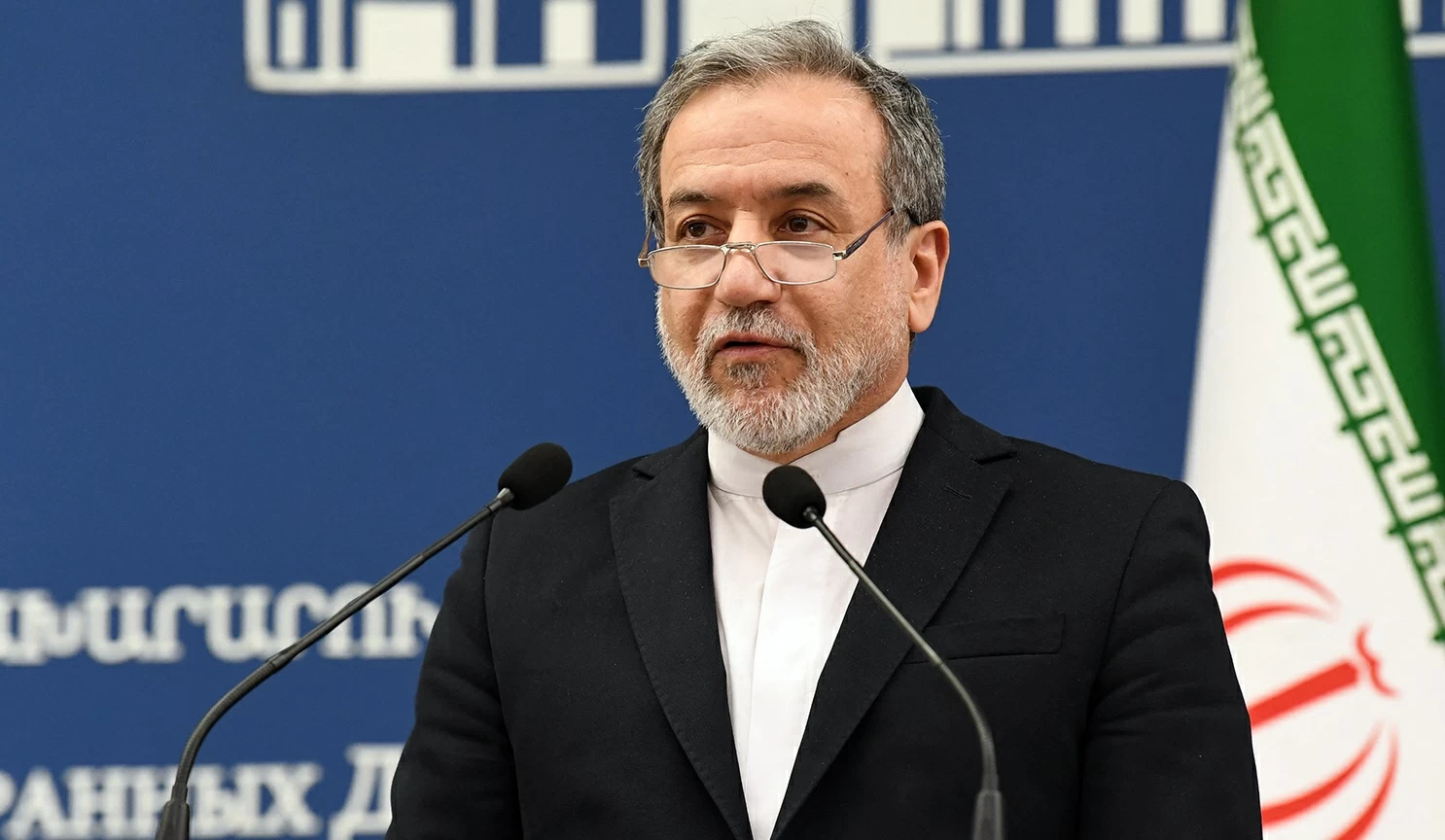
أعلن وزير الخارجية الإيراني عباس عراقجي اليوم (الأحد)، أن مضيق هرمز ليس مغلقاً لكنه يعمل وفق ضوابط خاصة تراعي الظروف الحالية.
وقال عراقجي في تصريحات له: «مضيق هرمز ليس مغلقا والسفن تتردد في عبوره ليس خوفا من إيران بل إن شركات التأمين تخشى حرباً اخترتموها»، مضيفاً: الملاحة في مضيق هرمز لم يتم وقفها بالكامل بل تستمر وفق ضوابط خاصة تراعي الظروف الحالية.
وشدد بالقول: «لا حرية ملاحة دون حرية تجارة واحترموا كليهما وإلا فلا تتوقعوا وجود أي منهما ولن تتأثر أي شركة تأمين ولا أي إيراني بمزيد من التهديدات وجربوا الاحترام»، مصيفاً: «سفن الدول غير المشاركة في الأعمال العدائية يمكنها العبور من مضيق هرمز بشرط التنسيق معنا».
وأوضح عراقجي أن ترتيبات أمن الملاحة بالخليج ومضيق هرمز يجب أن تتم في إطار القانون واحترام سيادة الدول، لافتاً إلى أن «العدوان العسكري الأمريكي الإسرائيلي على إيران فرضَ وضعا خطيرا في مضيق هرمز».
وقال وزير الخارجية الإيراني إن «بلاده تتبع نهجا مسؤولا لتجنّب تحميل الملاحة الدولية مخاطر إضافية»، موضحاً أن طهران اتخذت تدابير لحماية السفن التجارية والممرات البحرية في الخليج ومضيق هرمز وبحر عمان.
وحمل عراقجي «الولايات المتحدة وإسرائيل مسؤولية أي تصعيد أو تهديد للأمن والاستقرار بالمنطقة»، مبيناً أن الحل الوحيد لضمان الاستقرار هو وقف الاعتداءات واحترام حقوق بلاده المشروعة.
في غضون ذلك، دعا الرئيس الفرنسي إيمانويل ماكرون جميع أطراف الحرب إلى وقف الهجمات مؤقتا على منشآت الطاقة، مطالباً إيران باحترام حرية الملاحة في مضيق هرمز.
The Iranian Foreign Minister Abbas Araqchi announced today (Sunday) that the Strait of Hormuz is not closed but operates under special regulations that take current circumstances into account.
Araqchi stated in his remarks: "The Strait of Hormuz is not closed, and ships hesitate to cross it not out of fear of Iran, but because insurance companies fear a war you have chosen," adding: "Navigation in the Strait of Hormuz has not been completely halted but continues under special regulations that consider current circumstances."
He emphasized by saying: "There is no freedom of navigation without freedom of trade; respect both, or do not expect either to exist, and no insurance company or any Iranian will be affected by further threats. Try respect," adding: "Ships from countries not participating in hostile actions can cross the Strait of Hormuz provided they coordinate with us."
Araqchi clarified that security arrangements for navigation in the Gulf and the Strait of Hormuz must be made within the framework of law and respect for the sovereignty of states, noting that "the American-Israeli military aggression against Iran has created a dangerous situation in the Strait of Hormuz."
The Iranian Foreign Minister stated that "his country follows a responsible approach to avoid adding risks to international navigation," explaining that Tehran has taken measures to protect commercial vessels and maritime corridors in the Gulf, the Strait of Hormuz, and the Sea of Oman.
Araqchi held "the United States and Israel responsible for any escalation or threat to security and stability in the region," indicating that the only solution to ensure stability is to stop the aggressions and respect his country's legitimate rights.
Meanwhile, French President Emmanuel Macron called on all parties in the war to temporarily cease attacks on energy facilities, demanding that Iran respect freedom of navigation in the Strait of Hormuz.