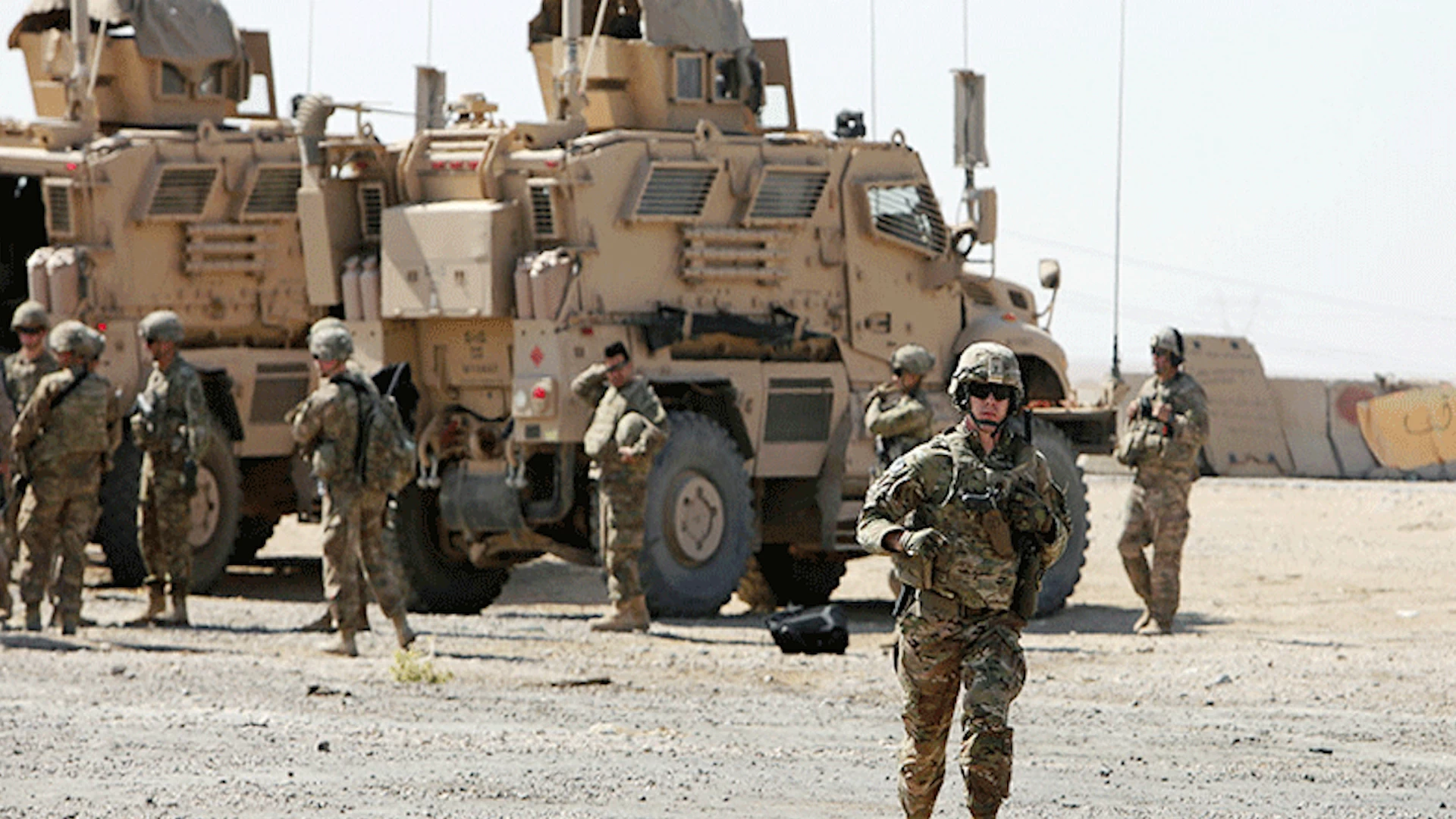
تعتزم إدارة الرئيس الأمريكي دونالد ترمب توسيع وجودها العسكري في المنطقة من خلال نشر آلاف الجنود.
ونقلت وكالة «رويترز» عن مصادر مطلعة، أن هذه التعزيزات تأتي في ذروة الحرب الأمريكية الإسرائيلية مع إيران، إذ ستمنح القيادة الأمريكية خيارات أوسع بينما تستعد واشنطن لمرحلة جديدة من المواجهة التي تقترب من نهاية أسبوعها الثالث دون مؤشرات على إمكانية وقف إطلاق النار.
خيارات متعددة على طاولة ترمب
وفقاً للمصادر، تهدف التعزيزات المرتقبة إلى تنفيذ عدة خيارات مطروحة حالياً على طاولة ترمب، تتضمن: السيطرة على جزيرة خارك باعتبارها الشريان الحيوي لتصدير 90% من النفط الإيراني. ويعتقد خبراء عسكريون أن السيطرة على «خارك» خيار أفضل من تدميرها؛ نظراً لأهميتها الاقتصادية، رغم المخاطر العالية لاستهدافها بالصواريخ الإيرانية.
الاستحواذ على اليورانيوم: إذ تجري نقاشات حول إرسال قوات خاصة لتأمين مخزونات اليورانيوم عالي التخصيب، رغم تأكيد الخبراء أنها مهمة معقدة ومحفوفة بالمخاطر حتى بالنسبة لقوات العمليات الخاصة. تأمين سواحل هرمز: تدرس إدارة ترمب نشر قوات على طول الخط الساحلي الإيراني لضمان مرور ناقلات النفط عبر المضيق، بدلاً من الاكتفاء بالمواكبة الجوية والبحرية.
وحسب المصادر، فإن عملية نشر القوات البرية في أي مكان في إيران ليست وشيكة، لكنهم رفضوا مناقشة تفاصيل التخطيط العملياتي الأمريكي.
وصول مجموعة برمائية للشرق الأوسط
تتجاوز المناقشات حول التعزيزات الأمريكية وصول «مجموعة جاهزة برمائية» الأسبوع القادم إلى الشرق الأوسط، مع «وحدة استكشافية من مشاة البحرية» تضم أكثر من 2000 فرد، وفقاً للمصادر ذاتها.
ولفت أحد المصادر إلى أن الجيش الأمريكي يفقد عدداً كبيراً من القوات بقرار إرسال حاملة الطائرات «يو إس إس جيرالد آر فورد» إلى اليونان للصيانة بعد حريق على متنها.
واعتبر أن أي تدخل بري، حتى لو كان محدوداً، يمثل مخاطرة سياسية كبرى، خصوصاً للرئيس الأمريكي الذي بنى حملته الانتخابية على وعد بإنهاء «الحروب الأبدية» وتجنب التورط في نزاعات الشرق الأوسط.
ترمب لم يتخذ قراراً نهائياً
لم يستبعد ترمب خيار «الأقدام على الأرض»، رغم مقتل 13 جندياً أمريكياً وإصابة نحو 200 آخرين منذ بدء العملية العسكرية في 28 فبراير الماضي.
ونقلت «رويترز» عن مسؤول في البيت الأبيض قوله، إن ترمب لم يتخذ قراراً نهائياً بعد، لكنه يُبقي كافة الخيارات متاحة لتحقيق أهداف عملية «الغضب الملحمي»، التي تتمحور حول تدمير قدرات إيران الصاروخية والقضاء على البحرية الإيرانية.
وأضاف أن ترمب يسعى إلى ضمان عدم امتلاك إيران لسلاح نووي نهائياً، وشلّ قدرة «الوكلاء» على زعزعة استقرار المنطقة.
الموقف من مضيق هرمز
وفيما يتعلق بمضيق هرمز، ما زال موقف ترمب متذبذباً، فبعد أن طالب دول العالم بتحمل مسؤولية حماية سفنها، لوّح -في منشور عبر منصة «تروث سوشيال»- بإمكانية «إنهاء» ما تبقى من الدولة الإيرانية، وترك مسؤولية المضيق للدول المستفيدة منه، قائلاً: «نحن لا نستخدمه».
وتأتي هذه المناقشات في الوقت الذي يواصل فيه الجيش الأمريكي مهاجمة البحرية الإيرانية، ومخزوناتها من الصواريخ والطائرات المسيرة وصناعتها الدفاعية.
ونفذت الولايات المتحدة أكثر من 7800 ضربة منذ بدء الحرب في 28 فبراير، وأتلفت أو دمرت أكثر من 120 سفينة إيرانية حتى الآن، وفقاً لأرقام القيادة المركزية الأمريكية الصادرة، الأربعاء، التي تشرف على نحو 50 ألف جندي أمريكي في الشرق الأوسط.
The administration of U.S. President Donald Trump intends to expand its military presence in the region by deploying thousands of soldiers.
Reuters reported from informed sources that these reinforcements come at the peak of the U.S.-Israeli war with Iran, as they will provide U.S. leadership with broader options while Washington prepares for a new phase of confrontation that is nearing its third week without signs of a ceasefire.
Multiple Options on Trump's Table
According to the sources, the anticipated reinforcements aim to implement several options currently on Trump's table, including: controlling Khark Island as it is the vital artery for exporting 90% of Iranian oil. Military experts believe that taking control of "Khark" is a better option than destroying it, given its economic importance, despite the high risks of targeting it with Iranian missiles.
Securing uranium: Discussions are underway about sending special forces to secure stocks of highly enriched uranium, although experts confirm that this is a complex and risky mission even for special operations forces. Securing the Hormuz coasts: The Trump administration is considering deploying forces along the Iranian coastline to ensure the passage of oil tankers through the strait, rather than relying solely on aerial and naval escorts.
According to the sources, the deployment of ground troops anywhere in Iran is not imminent, but they declined to discuss details of U.S. operational planning.
Arrival of an Amphibious Group to the Middle East
Discussions about U.S. reinforcements extend to the arrival of a "ready amphibious group" next week in the Middle East, including a "reconnaissance unit from the Marine Corps" comprising over 2,000 personnel, according to the same sources.
One source noted that the U.S. military is losing a significant number of troops due to the decision to send the aircraft carrier "USS Gerald R. Ford" to Greece for maintenance after a fire on board.
It was considered that any ground intervention, even if limited, represents a major political risk, especially for the U.S. president who built his election campaign on a promise to end "endless wars" and avoid involvement in Middle Eastern conflicts.
Trump Has Not Made a Final Decision
Trump has not ruled out the option of "boots on the ground," despite the deaths of 13 American soldiers and injuries to about 200 others since the military operation began on February 28.
Reuters quoted a White House official saying that Trump has not made a final decision yet, but he keeps all options available to achieve the objectives of "Operation Epic Fury," which revolves around destroying Iran's missile capabilities and eliminating the Iranian navy.
He added that Trump seeks to ensure that Iran never possesses a nuclear weapon and to cripple the ability of "proxies" to destabilize the region.
The Stance on the Strait of Hormuz
Regarding the Strait of Hormuz, Trump's position remains fluctuating; after calling on countries around the world to take responsibility for protecting their ships, he hinted—in a post on the "Truth Social" platform—at the possibility of "ending" what remains of the Iranian state and leaving the responsibility for the strait to the benefiting countries, stating: "We do not use it."
These discussions come at a time when the U.S. military continues to attack the Iranian navy, its stockpiles of missiles, drones, and its defense manufacturing.
The United States has carried out more than 7,800 strikes since the war began on February 28, damaging or destroying more than 120 Iranian vessels so far, according to figures released by U.S. Central Command on Wednesday, which oversees about 50,000 American troops in the Middle East.