في خضم التصعيد المتسارع للحرب، يكرر المسؤولون الإيرانيون خطاباً واحداً مفاده أن العمليات العسكرية موجهة حصراً ضد المصالح الأمريكية أو الإسرائيلية، غير أن الوقائع الميدانية، كما تعكسها التقارير الدولية والشواهد على الأرض، ترسم صورة مغايرة؛ إذ امتدت الضربات إلى منشآت مدنية وممرات اقتصادية حيوية في عدد من دول الخليج.
خطاب رسمي وواقع مختلف
تؤكد طهران في تصريحاتها الرسمية أن عملياتها العسكرية تستهدف «المصالح الأمريكية» فقط. وقال وزير الخارجية الإيراني عباس عراقجي: «نحن نستهدف فقط الأصول والمنشآت والقواعد العسكرية الأمريكية»، إلا أن التطورات الميدانية كشفت تناقضاً واضحاً بين الخطاب المعلن والنتائج الفعلية للهجمات، إذ طالت الصواريخ والطائرات المسيّرة مرافق مدنية وبنى تحتية اقتصادية في أكثر من دولة خليجية.
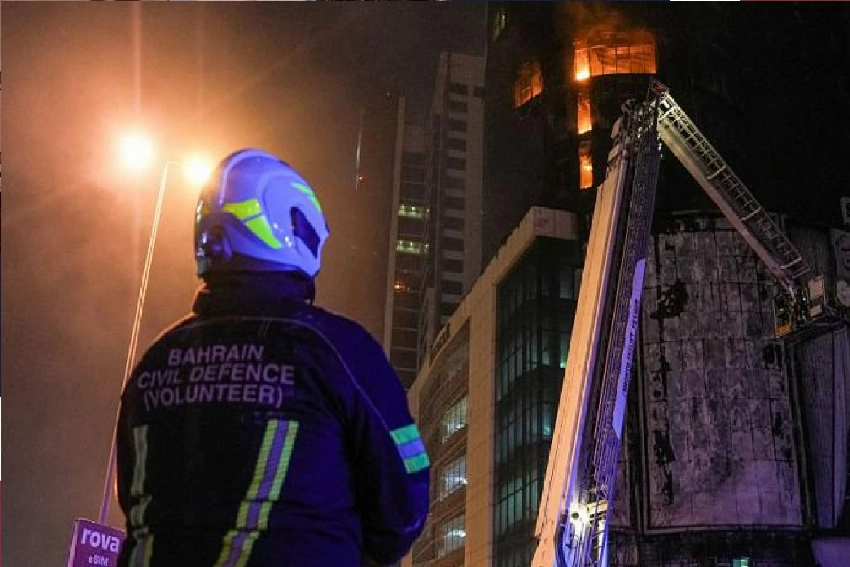
استهداف مبنى سكني في البحرين.
مرافق مدنية تحت النيران
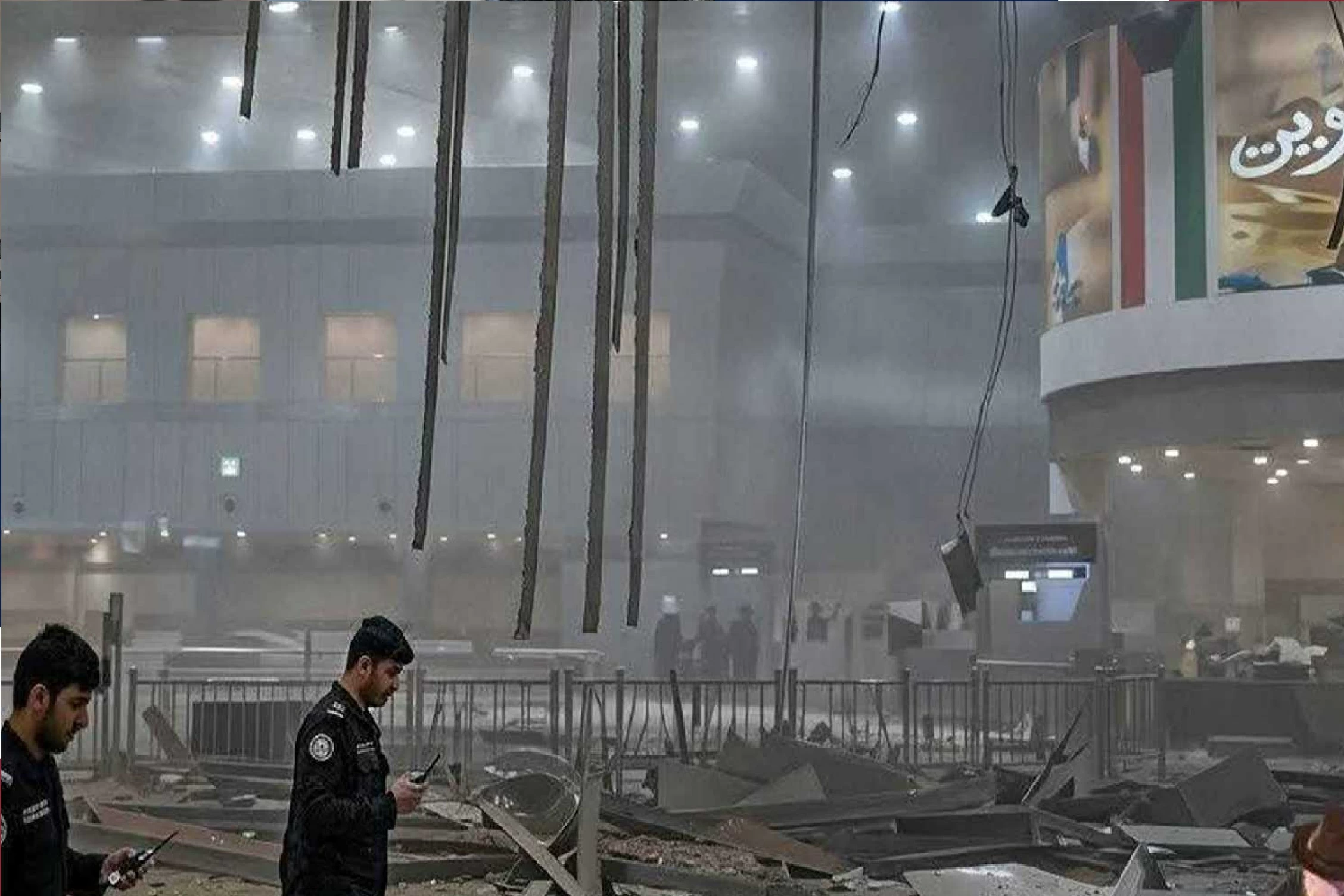
بحسب بيانات رسمية وتقارير دولية، استهدفت الهجمات الإيرانية مطارات وموانئ ومنشآت نفطية وممرات بحرية رئيسية، ففي الكويت أعلنت هيئة الطيران المدني تعرض مطار الكويت الدولي لهجوم بطائرات مسيّرة أصابت نظام الرادار. كما تعرض ميناء الفجيرة في الإمارات لهجوم بطائرة مسيّرة أدى إلى اندلاع حريق وتعطل بعض أنشطته، وفق ما نقلته وكالة «بلومبيرغ».
وامتدت الضربات إلى خزانات وقود في ميناء صلالة العماني، إضافة إلى استهداف مطار أبوظبي ومصفاة رأس تنورة. وفي مدينة الخرج سقط مقذوف على موقع سكني تابع لإحدى شركات الصيانة والنظافة في المحافظة، ما أدى إلى وفاة مقيمين من الجنسيتين الهندية والبنغلاديشية وإصابة 12 آخرين، إلى جانب أضرار مادية.
آلاف الهجمات في المنطقة
تشير تقديرات وتقارير متابعة إلى أن إيران استهدفت 7 دول عربية، معظمها خليجية، بآلاف الهجمات الصاروخية والطائرات المسيّرة منذ اندلاع المواجهة، إضافة إلى هجمات جوية بطائرات مقاتلة.
وطالت هذه الضربات منشآت مدنية متعددة، من مطارات وموانئ ومبانٍ مختلفة، وأسفرت عن سقوط قتلى وإصابات بين المدنيين.
تهديد الملاحة الدولية
لم تقتصر الهجمات على المنشآت البرية، بل امتدت إلى البحر، فقد سجلت ضربات استهدفت سفناً تجارية وناقلات نفط في مضيق هرمز، أحد أهم الممرات الحيوية للطاقة في العالم، إذ تمر عبره نحو 20% من تجارة النفط والغاز العالمية.
وتعرضت عدة سفن تجارية لأضرار مباشرة، بعضها اندلعت فيها حرائق واضطر طواقمها إلى إخلائها.
كما طالت الضربات موانئ ومناطق صناعية في الخليج، بينها مواقع في عُمان ومناطق قريبة من مسقط، إضافة إلى سفن نفطية قبالة السواحل، ما أدى إلى سقوط قتلى وإصابات بين العمال وأطقم السفن.
مضيق هرمز تحت التهديد
وفي تطور لافت، أطلق الحرس الثوري الإيراني تحذيرات غير مسبوقة للسفن العابرة في مضيق هرمز، معلناً أنها قد تتحول إلى أهداف عسكرية، في رسالة تعني عملياً أن أحد أهم الممرات التجارية في العالم بات مهدداً.
تناقض الرواية
بينما تصر طهران على أن عملياتها «محدودة» وتستهدف أهدافاً أمريكية فقط، تكشف الوقائع الميدانية أن الضربات امتدت إلى مرافق مدنية وبنية تحتية اقتصادية يعتمد عليها الملايين في الخليج والعالم.
وبين الرواية الإيرانية والواقع، تبدو الحرب التي قيل إنها موجهة إلى أهداف محددة قد تحولت في كثير من الأحيان إلى تهديد أوسع يطال الاقتصاد العالمي والملاحة الدولية والبنية المدنية في المنطقة.
In the midst of the escalating war, Iranian officials are repeating a single narrative that military operations are exclusively directed against American or Israeli interests. However, the ground realities, as reflected in international reports and evidence on the ground, paint a different picture; the strikes have extended to civilian facilities and vital economic corridors in several Gulf countries.
Official Narrative and Different Reality
Tehran asserts in its official statements that its military operations target "only American interests." Iranian Foreign Minister Abbas Araghchi stated, "We are only targeting American assets, facilities, and military bases," yet the developments on the ground have revealed a clear contradiction between the announced narrative and the actual results of the attacks, as missiles and drones have hit civilian facilities and economic infrastructure in more than one Gulf state.
استهداف مبنى سكني في البحرين.
Civilian Facilities Under Fire
According to official data and international reports, Iranian attacks have targeted airports, ports, oil facilities, and major maritime corridors. In Kuwait, the Civil Aviation Authority announced that Kuwait International Airport was attacked by drones, which hit the radar system. Additionally, the Port of Fujairah in the UAE was attacked by a drone, leading to a fire and disruption of some of its activities, as reported by Bloomberg.
The strikes also extended to fuel tanks at the Port of Salalah in Oman, as well as targeting Abu Dhabi Airport and the Ras Tanura refinery. In the city of Al-Kharj, a projectile fell on a residential site belonging to a maintenance and cleaning company in the governorate, resulting in the deaths of residents of Indian and Bangladeshi nationalities and injuring 12 others, along with material damages.
Thousands of Attacks in the Region
Estimates and follow-up reports indicate that Iran has targeted 7 Arab countries, most of them Gulf states, with thousands of missile and drone attacks since the outbreak of the confrontation, in addition to airstrikes by fighter jets.
These strikes have affected multiple civilian facilities, including airports, ports, and various buildings, resulting in casualties and injuries among civilians.
Threat to International Navigation
The attacks have not been limited to land facilities; they have also extended to the sea, with strikes recorded against commercial ships and oil tankers in the Strait of Hormuz, one of the most vital energy corridors in the world, through which about 20% of global oil and gas trade passes.
Several commercial vessels sustained direct damage, with some catching fire, forcing their crews to evacuate.
The strikes also targeted ports and industrial areas in the Gulf, including sites in Oman and areas near Muscat, as well as oil vessels off the coasts, leading to casualties and injuries among workers and ship crews.
Strait of Hormuz Under Threat
In a notable development, the Iranian Revolutionary Guard issued unprecedented warnings to ships passing through the Strait of Hormuz, announcing that they could become military targets, in a message that practically means one of the world's most important trade routes is now threatened.
Contradiction of the Narrative
While Tehran insists that its operations are "limited" and only target American objectives, the ground realities reveal that the strikes have extended to civilian facilities and economic infrastructure relied upon by millions in the Gulf and the world.
Between the Iranian narrative and reality, the war, which was said to be directed at specific targets, has often transformed into a broader threat affecting the global economy, international navigation, and civilian infrastructure in the region.