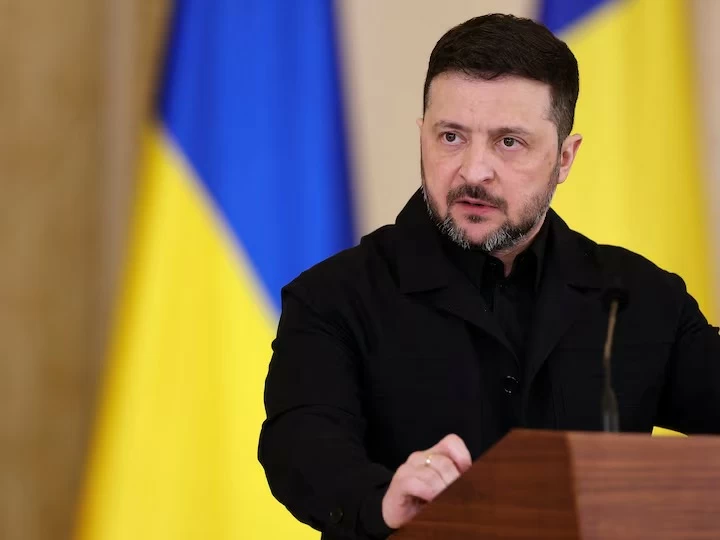
يتوجه الرئيس الأوكراني فولوديمير زيلينسكي إلى العاصمة الفرنسية باريس، اليوم ا(لجمعة)، في زيارة تهدف إلى الحصول على تأكيدات جديدة بالدعم من أحد أبرز حلفاء كييف الغربيين، في وقت تتجه فيه الأنظار الدولية بشكل متزايد إلى الحرب المتصاعدة في الشرق الأوسط، ما يهدد بتراجع الاهتمام الدولي بالصراع الدائر بين أوكرانيا وروسيا.
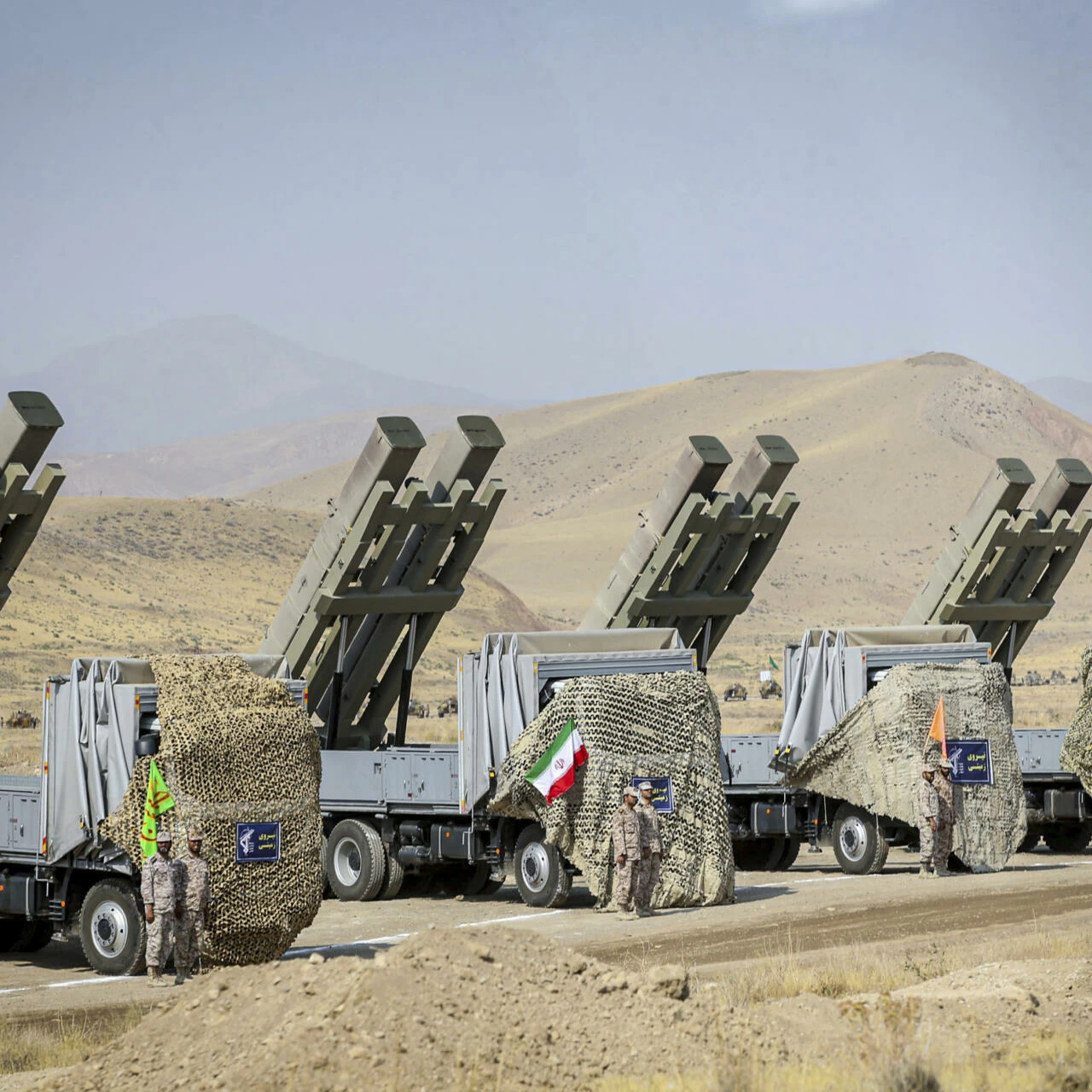
ويأتي التحرك الدبلوماسي الأوكراني في ظل مخاوف متزايدة من تأثير اتساع رقعة الصراع في الشرق الأوسط على إمدادات السلاح الغربية إلى كييف، ولا سيما أنظمة الدفاع الجوي.
وحذّر زيلينسكي من أن النقص الحاد في صواريخ الدفاع الجوي لدى بلاده قد يزداد سوءاً، مشيراً هذا الأسبوع إلى أن دول الخليج استخدمت خلال بضعة أيام فقط عدداً من صواريخ PAC-3 الدفاعية يفوق ما تلقته أوكرانيا من الولايات المتحدة خلال 4سنوات، ولم يحدد الرئيس الأوكراني المصدر الدقيق لهذه الأرقام.
كما أدت الحرب في الشرق الأوسط إلى ارتفاع أسعار النفط عالمياً، وهو ما يشكل دفعة مالية مهمة لروسيا التي تعتمد على عائدات الطاقة، بينما تواجه كييف ضغوطاً مالية متزايدة في ظل استمرار الحرب.
وفي الوقت ذاته، لم يتمكن الاتحاد الأوروبي حتى الآن من الاتفاق على قرض مقترح بقيمة 90 مليار يورو، كان من المقرر أن يخصص جزء منه لتمويل شراء أسلحة لأوكرانيا، وتأمل كييف أن يتم إقرار هذا التمويل بحلول منتصف أبريل.
وقال مسؤول في الرئاسة الفرنسية قبيل الزيارة إن الرسالة الأساسية منها هي التأكيد على أن أي أزمة دولية أخرى لن تصرف الانتباه عن أوكرانيا، مضيفاً أن دعم باريس لكييف سيظل ثابتاً.
وفي سياق موازٍ، يحاول زيلينسكي تعزيز علاقات بلاده مع دول الخليج العربية، رغم أن العديد منها يحتفظ بعلاقات وثيقة مع روسيا، وقد عرضت كييف تزويد هذه الدول بتكنولوجيا أوكرانية لاعتراض الطائرات المسيّرة مقابل الحصول على صواريخ دفاع جوي.
وفي إطار هذه الجهود، أرسلت أوكرانيا خلال الأسبوع الجاري خبراء ومسؤولين إلى 4 دول في الشرق الأوسط لبحث سبل التعاون العسكري والتقني.
Ukrainian President Volodymyr Zelensky is heading to the French capital, Paris, today (Friday), on a visit aimed at securing new assurances of support from one of Kyiv's key Western allies, at a time when international attention is increasingly focused on the escalating war in the Middle East, which threatens to diminish global interest in the ongoing conflict between Ukraine and Russia.
The Ukrainian diplomatic move comes amid growing concerns about the impact of the widening conflict in the Middle East on Western arms supplies to Kyiv, particularly air defense systems.
Zelensky warned that the severe shortage of air defense missiles in his country could worsen, noting this week that Gulf countries used more PAC-3 defensive missiles in just a few days than Ukraine received from the United States over the past four years, although the Ukrainian president did not specify the exact source of these figures.
The war in the Middle East has also led to a rise in global oil prices, which provides a significant financial boost to Russia, which relies on energy revenues, while Kyiv faces increasing financial pressures amid the ongoing war.
At the same time, the European Union has yet to agree on a proposed loan of 90 billion euros, part of which was intended to fund arms purchases for Ukraine, and Kyiv hopes this funding will be approved by mid-April.
A French presidential official stated before the visit that the main message is to affirm that any other international crisis will not divert attention from Ukraine, adding that Paris's support for Kyiv will remain steadfast.
In a parallel context, Zelensky is trying to strengthen his country's relations with Arab Gulf states, despite many of them maintaining close ties with Russia, and Kyiv has offered to provide these countries with Ukrainian technology to intercept drones in exchange for air defense missiles.
As part of these efforts, Ukraine sent experts and officials this week to four countries in the Middle East to discuss military and technical cooperation.