رغم الأجواء الإيجابية التي رافقت الجولة الثانية من المحادثات النووية غير المباشرة بين إيران وأمريكا في جنيف، أمس الثلاثاء، فإن بعض الخطوط الحمراء لا تزال قائمة بين البلدين.
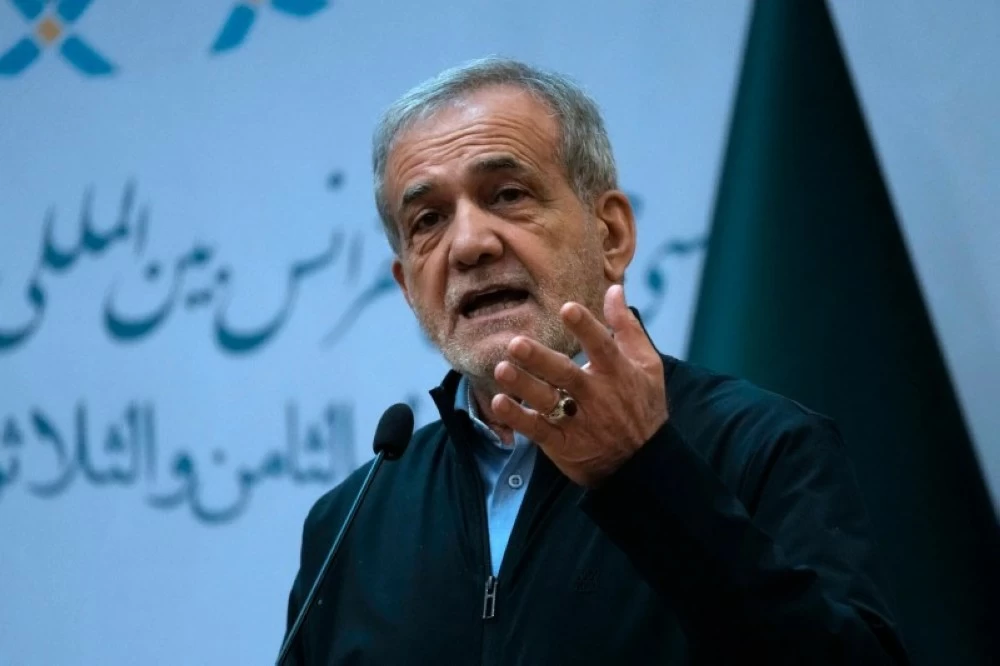
وفي هذا السياق، جدد الرئيس الإيراني مسعود بزشكيان التأكيد على أن بلاده «لا تسعى إطلاقاً إلى السلاح النووي، لكنها لن تتخلى عن الصناعة النووية السلمية». وقال بزشكيان في مقابلة تلفزيونية مساء أمس: إن طهران «مستعدة لأية عملية تحقق تريدها أمريكا حول سلمية برنامجها النووي».
وأضاف: «لسنا بأية حال من الأحوال بصدد امتلاك سلاح نووي».
من جانبها، أكدت المتحدثة باسم الحكومة الإيرانية فاطمة مهاجراني، أن السلطات تتابع مسار التفاوض والجاهزية الدفاعية بشكل متوازٍ لحماية مصالح البلاد وأمنها القومي.
وأضافت مهاجراني في تصريحات، اليوم(الأربعاء)، بعد جلسة وزارية في طهران لمناقشة نتائج المفاوضات النووية مع الولايات المتحدة، أن الجيش في حالة تأهب قصوى بالتزامن مع المفاوضات. واعتبرت أن «التفاوض والجاهزية الدفاعية إستراتيجيتان مكملتان لصون مصالح البلاد ويتم اتباعهما بالتوازي».
وذكرت أن وزير الخارجية عباس عراقجي قدم توضيحات بشأن مسار المفاوضات وكيفية تقدمها خلال مقابلة له على التلفزيون الرسمي.
ولفتت مهاجراني إلى أنه من المقرر أن يقدم المتحدث باسم وزارة الخارجية أيضاً التوضيحات اللازمة حول المحادثات التي عقدت في جنيف، وأن يجيب على الأسئلة ذات الصلة.
Despite the positive atmosphere surrounding the second round of indirect nuclear talks between Iran and the United States in Geneva yesterday, Tuesday, some red lines still remain between the two countries.
In this context, Iranian President Masoud Bezhakian reiterated that his country "is not seeking nuclear weapons at all, but will not abandon its peaceful nuclear industry." Bezhakian said in a television interview last night that Tehran "is ready for any verification process that the U.S. wants regarding the peaceful nature of its nuclear program."
He added: "We are in no way seeking to possess nuclear weapons."
For her part, Iranian government spokesperson Fatemeh Mohajerani confirmed that the authorities are following the negotiation process and defensive readiness in parallel to protect the country's interests and national security.
Mohajerani added in statements today (Wednesday), after a ministerial session in Tehran to discuss the results of the nuclear negotiations with the United States, that the military is on high alert in conjunction with the negotiations. She considered that "negotiation and defensive readiness are complementary strategies to safeguard the country's interests and are being pursued in parallel."
She mentioned that Foreign Minister Abbas Araghchi provided clarifications regarding the negotiation process and its progress during an interview on state television.
Mohajerani pointed out that the spokesperson for the Foreign Ministry is also scheduled to provide the necessary clarifications regarding the talks held in Geneva and to answer related questions.