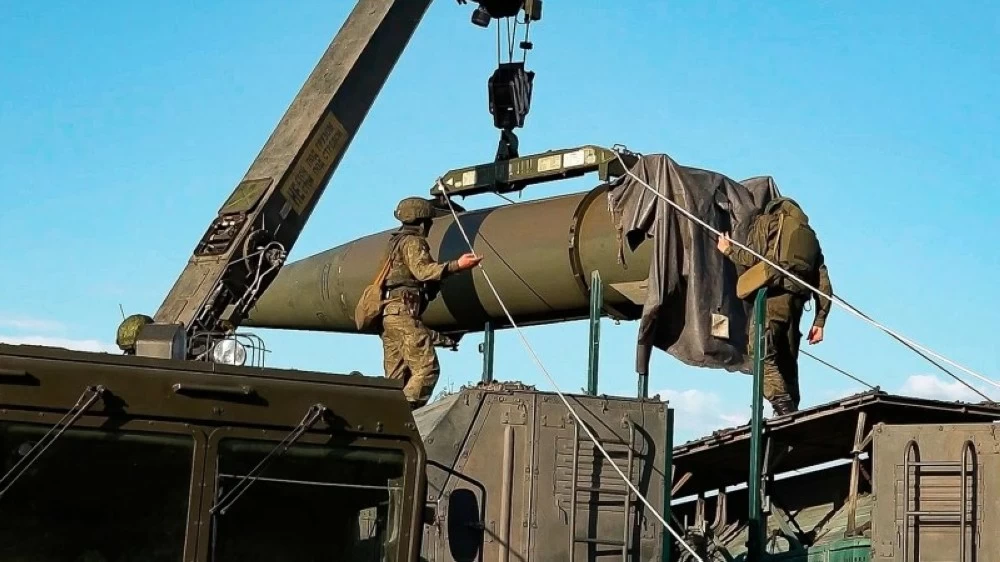
دخل العالم مرحلة جديدة من التوازن النووي بعد انتهاء معاهدة «نيو ستارت»، آخر اتفاق رئيسي لضبط التسلح بين الولايات المتحدة وروسيا، القوتان النوويتان الأكبر عالميًا.
وُقِّعت المعاهدة عام 2010، ودخلت حيّز التنفيذ في 2011، في محاولة لخفض التوتر ومنع عودة سباق التسلح الذي ساد خلال الحرب الباردة.
أهداف المعاهدة
استهدفت «نيو ستارت» تقليص عدد الرؤوس النووية والصواريخ الإستراتيجية بعيدة المدى، مع السماح بعمليات تفتيش وتبادل بيانات بين الجانبين لضمان الالتزام، بما يعزز الاستقرار الإستراتيجي العالمي.
التمديد الأخير
في عام 2021، اتفق الطرفان على تمديد المعاهدة 5 سنوات إضافية، لكنها انتهت رسميًا في فبراير 2026 دون التوصل إلى اتفاق بديل، في ظل توتر العلاقات بين موسكو وواشنطن.
عالم بلا قيود
انتهاء المعاهدة يعني غياب القيود الملزمة على أكبر ترسانتين نوويتين في العالم، ما يفتح الباب أمام سباق تسلح جديد، ويزيد المخاوف من تصاعد التوترات الدولية في مرحلة تشهد بالفعل أزمات سياسية وأمنية متلاحقة.
تداعيات اقتصادية
ولا يقتصر التأثير على الجانب الأمني، إذ ينعكس أي تصعيد عسكري على الاقتصاد العالمي، عبر ارتفاع الإنفاق الدفاعي وتراجع الاستثمارات وزيادة القلق في الأسواق، إلى جانب احتمالات الضغط على أسعار الطاقة وسلاسل الإمداد العالمية.
ويبقى السؤال المطروح الآن: هل تنجح الجهود الدبلوماسية في إعادة ضبط التوازن النووي، أم يدخل العالم مرحلة أكثر توترًا في غياب اتفاق جديد؟
The world has entered a new phase of nuclear balance following the end of the "New START" treaty, the last major arms control agreement between the United States and Russia, the two largest nuclear powers globally.
The treaty was signed in 2010 and came into force in 2011, in an attempt to reduce tensions and prevent a return to the arms race that prevailed during the Cold War.
Objectives of the Treaty
"New START" aimed to reduce the number of nuclear warheads and long-range strategic missiles, while allowing for inspections and data exchanges between the two sides to ensure compliance, thereby enhancing global strategic stability.
Recent Extension
In 2021, both parties agreed to extend the treaty for an additional 5 years, but it officially ended in February 2026 without reaching an alternative agreement, amid strained relations between Moscow and Washington.
A World Without Constraints
The end of the treaty means the absence of binding constraints on the world's two largest nuclear arsenals, opening the door to a new arms race and increasing fears of escalating international tensions in a phase already witnessing successive political and security crises.
Economic Implications
The impact is not limited to security; any military escalation will reflect on the global economy through increased defense spending, decreased investments, and heightened market anxiety, along with potential pressure on energy prices and global supply chains.
The question now remains: Will diplomatic efforts succeed in resetting the nuclear balance, or will the world enter a more tense phase in the absence of a new agreement?