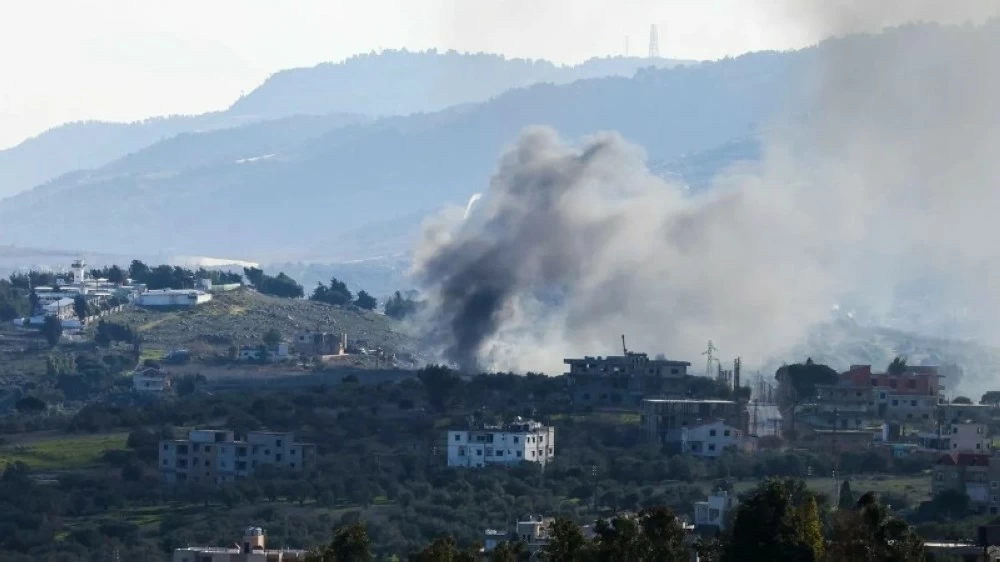
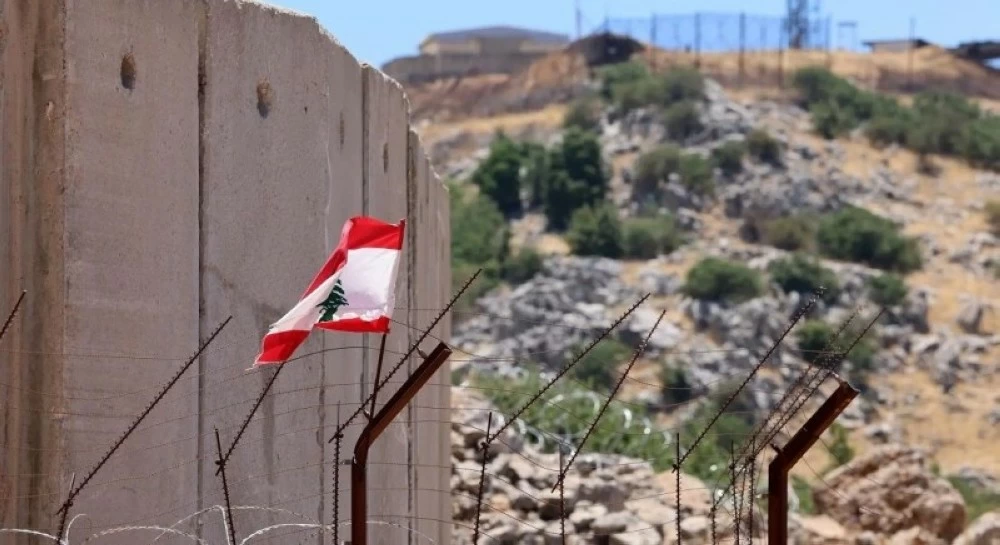
أعرب المتحدث باسم المفوضية السامية لحقوق الإنسان في الأمم المتحدة، ثمين الخيطان، عن قلقه البالغ إزاء التقارير التي تفيد بأن طائرات إسرائيلية رشت مواد كيميائية على أراضٍ زراعية في جنوب لبنان، قرب الخط الأزرق الفاصل بين البلدين.
وأكد الخيطان أن هذه الأعمال، إذا تأكدت، تعد «مقلقة للغاية» في سياق القانون الدولي الإنساني، وتستدعي تحقيقاً فورياً لتحديد طبيعة هذه المواد، مشدداً على أن الهجمات على الأراضي الزراعية والإمدادات الغذائية تشكل خطراً إنسانياً جسيماً، بالإضافة إلى تهديد خطير للبيئة وحياة المدنيين.
"اليونيفيل" ترفض ممارسات إسرائيل
وكشفت قوة الأمم المتحدة المؤقتة في لبنان «اليونيفيل» أن الجيش الإسرائيلي أبلغها مسبقاً بأنه سينفذ نشاطاً جوياً لإسقاط ما وصفه بـ«مادة كيميائية غير سامة» فوق المناطق القريبة من الخط الأزرق، لكن "اليونيفيل" وصفت هذا النشاط بأنه «غير مقبول» ومخالف لقرار مجلس الأمن رقم 1701.
وأفادت تقارير لبنانية بأن المادة المستخدمة هي مبيد أعشاب «غليفوسات»، بتركيزات تصل من 20 إلى 30 ضعف المستويات المقبولة، مما أثار مخاوف من تأثيرات صحية وبيئية طويلة الأمد.
انتهاك إسرائيلي مستمر
من جانبه، قال المتحدث باسم الأمم المتحدة ستيفان دوجاريك إن المنظمة على علم بهذه التقارير، وأن استخدام مبيدات الأعشاب يثير تساؤلات حول آثارها على الأراضي الزراعية المحلية، وكيفية تأثير ذلك على عودة المدنيين إلى ديارهم ومصادر رزقهم.
ودعا دوجاريك الأطراف إلى الالتزام بالقانون الدولي الإنساني، مؤكداً أن أي نشاط إسرائيلي شمال الخط الأزرق يُعد انتهاكاً للقرار 1701، وأن "اليونيفيل" ستستمر في التواصل مع السلطات اللبنانية.
وأدان الرئيس اللبناني جوزيف عون هذا الفعل، واصفاً إياه بـ«جريمة بيئية وصحية» ضد المواطنين اللبنانيين وأراضيهم، مطالباً المجتمع الدولي والمنظمات الأممية بوقف مثل هذه الهجمات، كما أعلنت وزارة الخارجية اللبنانية نيتها تقديم شكوى رسمية إلى مجلس الأمن الدولي.
تهديد محتمل بالسرطان للبنانيين
ووفقاً لتقارير منظمة الصحة العالمية، يُصنف الـ"غليفوسات" كـ«مادة محتملة الإصابة بالسرطان»، وقد تسبب أضراراً بيئية طويلة الأمد للتربة والمياه والزراعة.
وأشارت منظمات حقوقية مثل يورو-ميد هيومن رايتس مونيتور إلى أن مثل هذه الأعمال قد ترقى إلى جرائم حرب، لأنها تستهدف مصادر الرزق المدنية وتمنع عودة النازحين، كما أن المنطقة الجنوبية اللبنانية تعاني بالفعل من أضرار زراعية تقدر بملايين الدولارات جراء النزاعات السابقة.
The spokesperson for the United Nations High Commissioner for Human Rights, Thameen Al-Khaitan, expressed his deep concern regarding reports that Israeli aircraft sprayed chemical substances on agricultural lands in southern Lebanon, near the Blue Line separating the two countries.
Al-Khaitan confirmed that these actions, if verified, are "extremely concerning" in the context of international humanitarian law and warrant an immediate investigation to determine the nature of these substances, emphasizing that attacks on agricultural lands and food supplies pose a grave humanitarian risk, in addition to a serious threat to the environment and the lives of civilians.
"UNIFIL" Rejects Israeli Practices
The United Nations Interim Force in Lebanon (UNIFIL) revealed that the Israeli army had informed it in advance that it would conduct aerial activity to drop what it described as a "non-toxic chemical" over areas near the Blue Line, but UNIFIL described this activity as "unacceptable" and in violation of Security Council Resolution 1701.
Lebanese reports indicated that the substance used is the herbicide "glyphosate," at concentrations reaching 20 to 30 times the acceptable levels, raising concerns about long-term health and environmental effects.
Ongoing Israeli Violation
For his part, UN spokesperson Stéphane Dujarric stated that the organization is aware of these reports, and that the use of herbicides raises questions about their effects on local agricultural lands and how this will impact the return of civilians to their homes and livelihoods.
Dujarric called on the parties to adhere to international humanitarian law, affirming that any Israeli activity north of the Blue Line constitutes a violation of Resolution 1701, and that UNIFIL will continue to communicate with Lebanese authorities.
Lebanese President Joseph Aoun condemned this act, describing it as an "environmental and health crime" against Lebanese citizens and their lands, calling on the international community and UN organizations to stop such attacks, while the Lebanese Ministry of Foreign Affairs announced its intention to file an official complaint with the UN Security Council.
Potential Cancer Threat to Lebanese
According to reports from the World Health Organization, glyphosate is classified as a "potential carcinogen," and may cause long-term environmental damage to soil, water, and agriculture.
Human rights organizations such as Euro-Med Human Rights Monitor indicated that such actions could amount to war crimes, as they target civilian livelihoods and hinder the return of displaced persons, while southern Lebanon is already suffering from agricultural damage estimated in the millions of dollars due to previous conflicts.