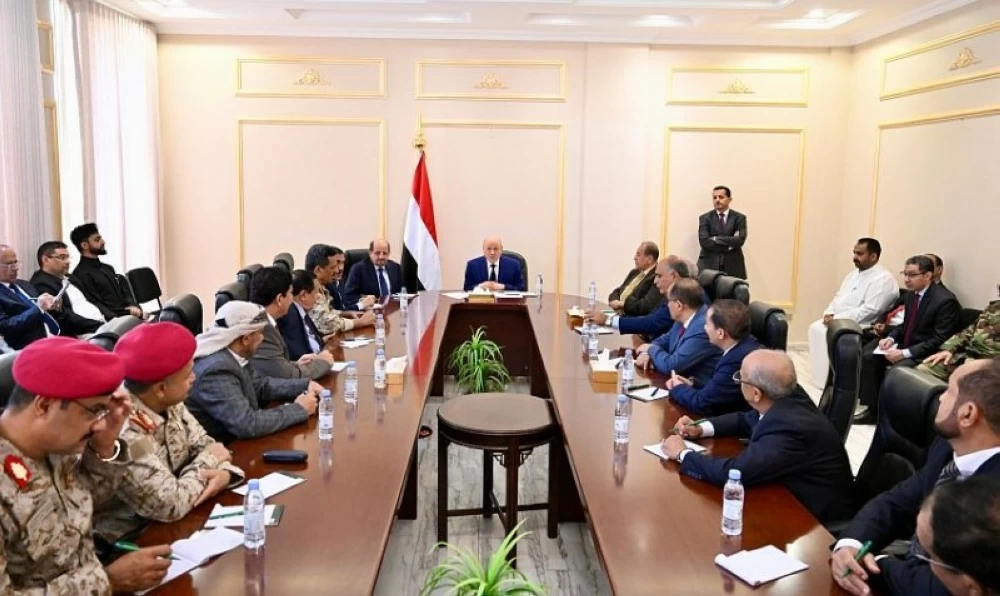
جدَّد رئيس مجلس القيادة الرئاسي اليمني رشاد العليمي التأكيد على التزام الدولة بمعالجة منصفة للقضية الجنوبية العادلة، من خلال الحوار الجنوبي-الجنوبي برعاية من السعودية، وبتمثيل شامل دون إقصاء أو تهميش، بعيداً عن منطق القوة والإكراه، أو توظيفها في صراعات مسلحة تسيء إلى عدالتها، وتضر بمستقبلها.
وأعرب خلال لقائه، اليوم (السبت) في الرياض، قيادات السلطة المحلية والشخصيات العسكرية والأمنية والسياسية والاجتماعية في محافظة الضالع عن تقديره العميق لاستجابة الأشقاء في السعودية لطلب استضافة ورعاية مؤتمر الحوار الجنوبي، لبحث التصورات العادلة للقضية الجنوبية ضمن إطار الحل السياسي الشامل في البلاد، مثمناً الدور الأخوي الذي تضطلع به المملكة كشريك إستراتيجي في مسار عملية البناء والتنمية على المستويات كافة.
وأكد أن المرحلة القادمة في اليمن ستمثل فرصة حقيقية لفتح أفق جديد من الاستقرار، وتحسين الخدمات الأساسية، واستكمال برنامج التعافي الاقتصادي.
وأفاد العليمي بأن القرارات السيادية التي اتخذت أخيراً فرضتها مقتضيات الحفاظ على الأمن والاستقرار، وحماية السكينة العامة والمركز القانوني للدولة، وسلامة أراضيها، فضلاً عن إنقاذ مكاسب القضية الجنوبية التي تحققت خلال الفترة الماضية.
وقال إن المرحلة القادمة تتطلب الاستفادة من دروس الماضي، وحشد كافة الطاقات الوطنية، المدنية والعسكرية، ضمن إطار الدولة ومؤسساتها الشرعية، وسيادة القانون.
ونوه بمواقف أبناء محافظة الضالع الشجاعة وأدوارهم الوطنية المشرفة وتضحياتهم الجسيمة دفاعاً عن الكرامة، والنظام الجمهوري، مؤكداً أن هذه المحافظة ستبقى حاجز صد متقدم لردع التهديد الإمامي، وجزءاً أصيلًا من مرحلة التغيير، والبناء، والتنمية. ولفت رئيس مجلس القيادة الرئاسي إلى ما سطره ابناء الضالع من انتصارات وبطولات خالدة في التصدي لجماعة الحوثي الإرهابية المدعومة من النظام الإيراني، مؤكداً أن محافظة الضالع، ستظل في صدارة أولويات الدولة خدمياً وتنموياً، بما في ذلك تمكين ابنائها من المشاركة الفاعلة في صنع القرار على المستويين المحلي والمركزي.
The President of the Yemeni Presidential Leadership Council, Rashad Al-Alimi, renewed his commitment to the state's fair handling of the just southern issue through a southern-southern dialogue sponsored by Saudi Arabia, with comprehensive representation without exclusion or marginalization, away from the logic of force and coercion, or its use in armed conflicts that undermine its justice and harm its future.
During his meeting today (Saturday) in Riyadh with local authority leaders and military, security, political, and social figures in Al-Dhale'e Governorate, he expressed his deep appreciation for the brothers in Saudi Arabia's response to the request to host and sponsor the southern dialogue conference to discuss fair visions for the southern issue within the framework of a comprehensive political solution in the country, praising the brotherly role played by the Kingdom as a strategic partner in the process of construction and development at all levels.
He affirmed that the upcoming phase in Yemen will represent a real opportunity to open a new horizon of stability, improve basic services, and complete the economic recovery program.
Al-Alimi stated that the sovereign decisions recently taken were necessitated by the requirements of maintaining security and stability, protecting public tranquility and the legal status of the state, and the integrity of its territories, in addition to salvaging the gains of the southern issue that have been achieved during the past period.
He said that the upcoming phase requires benefiting from the lessons of the past and mobilizing all national energies, both civilian and military, within the framework of the state and its legitimate institutions, and the rule of law.
He noted the courageous positions of the people of Al-Dhale'e Governorate and their honorable national roles and significant sacrifices in defense of dignity and the republican system, affirming that this governorate will remain a frontline barrier to deter the Imami threat and an integral part of the phase of change, construction, and development. The President of the Presidential Leadership Council highlighted the victories and immortal heroics achieved by the people of Al-Dhale'e in confronting the Houthi terrorist group supported by the Iranian regime, asserting that Al-Dhale'e Governorate will remain at the forefront of the state's priorities in terms of services and development, including empowering its citizens to actively participate in decision-making at both local and central levels.