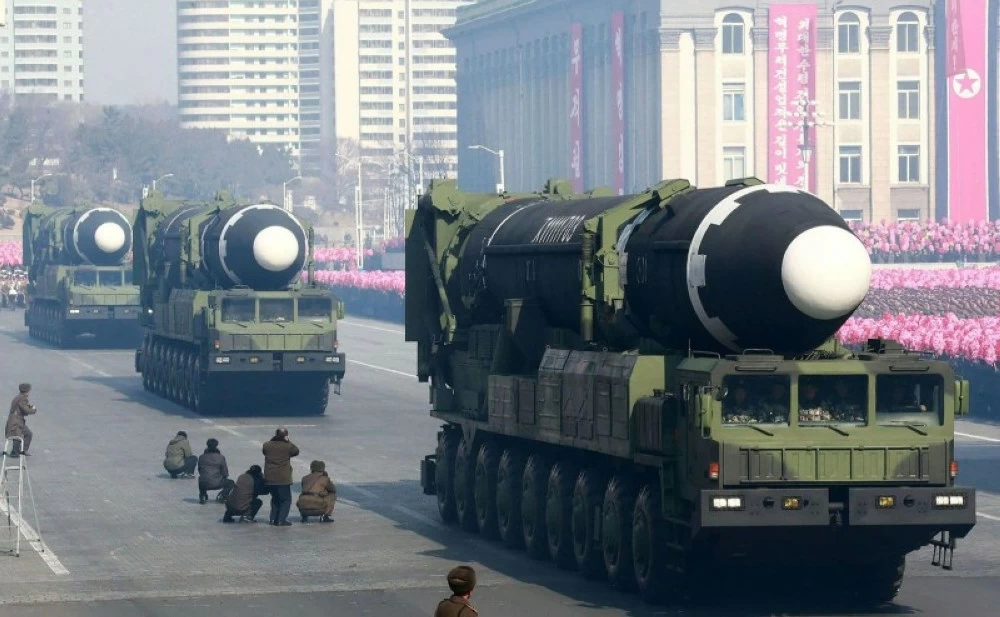
تنتهي رسميا، اليوم (الخميس)، معاهدة «نيو ستارت» النووية بين روسيا والولايات المتحدة، إيذاناً بدخول النظام الدولي مرحلة ضبابية محفوفة بالمخاطر، وسط تحذيرات متصاعدة من سباق تسلّح نووي جديد يعيد العالم إلى أجواء الحرب الباردة.
موسكو: لم نعد ملزمين.. لكن بحكمة
أعلنت روسيا، أمس (الأربعاء)، أنها لم تعد «ملزمة» بمعاهدة «نيو ستارت»، مؤكدة في بيان لوزارة خارجيتها أن أطراف الاتفاق لم تعد خاضعة لأي تعهدات أو إعلانات متبادلة في إطار المعاهدة. ورغم ذلك، شددت موسكو على أنها ستتصرف «بحكمة ومسؤولية» في المجال النووي، في رسالة مزدوجة تجمع بين الانسحاب والتحفظ.
آخر قيد نووي يسقط
تُعد «نيو ستارت»، الموقعة عام 2010، آخر اتفاق رئيسي للحد من التسلّح بين واشنطن وموسكو، إذ وضعت سقفاً لعدد منصات الإطلاق والرؤوس النووية الإستراتيجية، مع آلية للتحقق المتبادل. ومع انتهاء صلاحيتها، ينتقل العالم إلى واقع نووي أقل انضباطاً، خصوصاً أن عمليات التفتيش كانت معلّقة منذ 2023 على خلفية الحرب الروسية في أوكرانيا.
واشنطن تترقب.. والصين على الطاولة
في المقابل، التزمت الولايات المتحدة صمتاً حذراً حيال خطواتها القادمة. واكتفى وزير الخارجية الأمريكي ماركو روبيو بالقول إن الرئيس دونالد ترمب سيتحدث «لاحقاً» عن الموقف، مشيراً إلى رغبة واشنطن في إشراك الصين بأي مفاوضات مستقبلية، باعتبار أن السيطرة على التسلّح في القرن الحادي والعشرين «لا يمكن أن تتم من دون بكين» في ظل تنامي ترسانتها النووية.
تحذيرات دولية ونداءات عاجلة
توالت ردود الفعل الدولية المحذّرة من تداعيات انتهاء المعاهدة. فقد حذّر الكرملين نفسه من عالم «أكثر خطورة من ذي قبل»، بينما دعا البابا لاوون الرابع عشر إلى منع سباق تسلّح جديد، مطالباً بعدم التخلي عن أدوات الحد من الأسلحة دون بدائل فعّالة. كما وصف الأمين العام للأمم المتحدة أنطونيو غوتيريش اللحظة بأنها «عصيبة على السلام والأمن الدوليين»، داعياً واشنطن وموسكو للعودة العاجلة إلى طاولة المفاوضات.
بدورها، حمّلت ألمانيا وفرنسا موسكو مسؤولية الفشل، ورأت باريس أن نهاية «نيو ستارت» تعني زوال أي قيود على أكبر ترسانتين نوويتين في العالم للمرة الأولى منذ الحرب الباردة. كما حذّرت منظمات دولية، بينها «إيكان»، من تسارع سباق التسلّح وامتداده إلى قوى نووية أخرى.
وبين انسحاب الاتفاقات وتعثّر البدائل، يجد العالم نفسه أمام اختبار نووي جديد، عنوانه الأبرز: هل يُفتح باب التفاوض سريعاً… أم يُترك الخوف ليقود المرحلة القادمة.
The "New START" nuclear treaty between Russia and the United States officially ends today (Thursday), signaling the entry of the international system into a foggy and risky phase, amid escalating warnings of a new nuclear arms race that could return the world to the atmosphere of the Cold War.
Moscow: We are no longer obligated... but wisely
Russia announced yesterday (Wednesday) that it is no longer "obligated" by the "New START" treaty, confirming in a statement from its Foreign Ministry that the parties to the agreement are no longer subject to any commitments or mutual declarations under the treaty. Nevertheless, Moscow emphasized that it will act "wisely and responsibly" in the nuclear field, delivering a dual message that combines withdrawal and caution.
The last nuclear constraint falls
The "New START," signed in 2010, is the last major arms control agreement between Washington and Moscow, as it set limits on the number of launch platforms and strategic nuclear warheads, along with a verification mechanism. With its expiration, the world shifts to a less disciplined nuclear reality, especially since inspections have been suspended since 2023 against the backdrop of the Russian war in Ukraine.
Washington watches... and China is on the table
In contrast, the United States has maintained a cautious silence regarding its next steps. U.S. Secretary of State Marco Rubio merely stated that President Donald Trump would speak "later" about the situation, indicating Washington's desire to involve China in any future negotiations, considering that controlling arms in the 21st century "cannot happen without Beijing" amid the growth of its nuclear arsenal.
International warnings and urgent calls
International reactions warning of the implications of the treaty's end have been swift. The Kremlin itself warned of a world "more dangerous than before," while Pope Leo XIV called for preventing a new arms race, urging not to abandon arms control tools without effective alternatives. UN Secretary-General Antonio Guterres described the moment as "critical for international peace and security," calling on Washington and Moscow to urgently return to the negotiating table.
For its part, Germany and France held Moscow responsible for the failure, with Paris viewing the end of "New START" as meaning the removal of any constraints on the world's two largest nuclear arsenals for the first time since the Cold War. International organizations, including "ICAN," warned of the accelerating arms race and its extension to other nuclear powers.
Between the withdrawal from agreements and the failure of alternatives, the world finds itself facing a new nuclear test, with the prominent question: Will the door to negotiation open quickly... or will fear be allowed to lead the next phase.