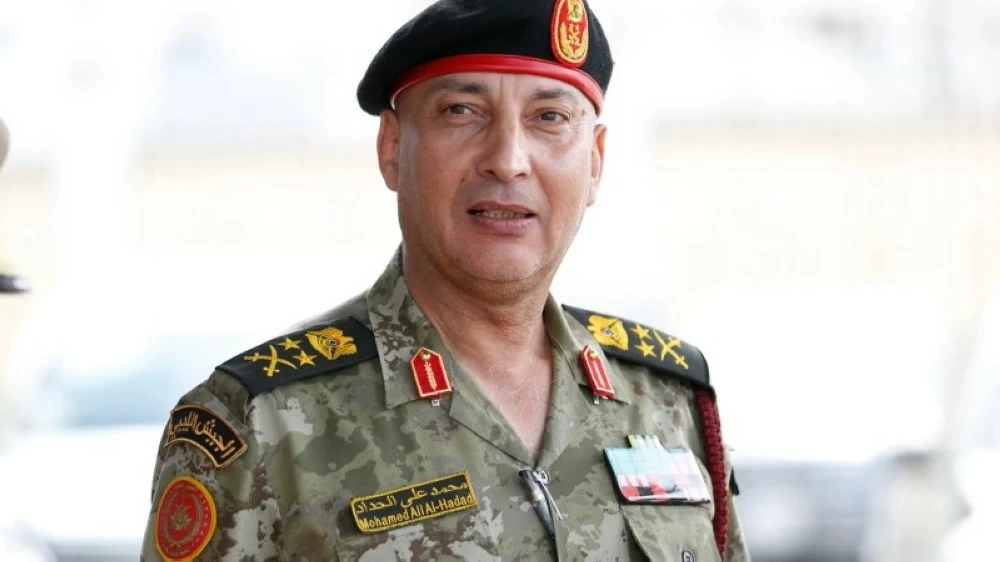
أعلنت السلطات التركية، في إطار التحقيقات المشتركة مع الجانب الليبي، أن النتائج الأولية لحادث تحطم الطائرة الخاصة التي كانت تقل الفريق أول محمد علي الحداد، رئيس الأركان العام للقوات المسلحة الليبية في حكومة الوحدة الوطنية، كشفت عن أضرار جسيمة لحقت بالصندوق الأسود وجهاز تسجيل الصوت داخل قمرة القيادة، ما أعاق عملية استخراج البيانات.
قدرات محدودة عالمياً
وأوضح وزير النقل التركي عبدالقادر أوغلو أن حجم التلف حال دون تحليل البيانات داخل تركيا، مشيراً إلى أن عدداً محدوداً جداً من الدول يمتلك الإمكانات التقنية والخبرات المتخصصة القادرة على التعامل مع هذا النوع من الأضرار المعقدة في أجهزة التسجيل.
نقل التحقيق إلى بريطانيا
وأضاف أوغلو أن الجهات المختصة قررت نقل الصندوق الأسود وجهاز تسجيل الصوت إلى بريطانيا، لإخضاعهما لتحليل فني دقيق ضمن تحقيق دولي وبالتعاون مع مؤسسات متخصصة، بهدف التوصل إلى نتائج شفافة تحدد أسباب الحادث بدقة.
لا سقف زمنياً
من جانبه، أكد وزير المواصلات الليبي محمد الشهوبي في تصريحات سابقة أن التحقيقات الفنية لا تخضع لإطار زمني محدد، موضحاً أن قراءة وتحليل بيانات الصندوق الأسود قد تستغرق وقتاً طويلاً، وربما تمتد إلى عام كامل في المتوسط، تبعاً لحالة الأجهزة المتضررة.
تفاصيل الحادث
وتحطمت الطائرة من طراز «فالكون 50»، المستأجرة من شركة خاصة مقرها مالطا، في 23 ديسمبر قرب قضاء هايمانا جنوب غرب أنقرة، بعد دقائق من إقلاعها متجهة إلى طرابلس، عقب زيارة رسمية لوفد عسكري ليبي إلى تركيا شملت مباحثات دفاعية مع وزير الدفاع التركي يشار غولر.
ضحايا ومؤشرات أولية
وأسفر الحادث عن مقتل ثمانية أشخاص، هم الفريق الحداد، وأربعة ضباط ليبيين بينهم رئيس أركان القوات البرية اللواء الفيتوري غريبيل، إضافة إلى ثلاثة من طاقم الطائرة (فرنسيان ومضيفة قبرصية يونانية). وأرجعت السلطات التركية الحادث مبدئياً إلى عطل كهربائي عام أبلغ عنه الطاقم قبل طلب هبوط اضطراري.
تحقيق مفتوح وشكوك
ورغم هذا التفسير الأولي، لا تزال التحقيقات الجنائية والفنية المشتركة مستمرة لاستبعاد أي أسباب أخرى، في ظل تصاعد نظريات المؤامرة داخل الأوساط الليبية، خصوصاً مع تزامن الحادث مع تمديد البرلمان التركي وجود قواته في ليبيا لعامين إضافيين.
The Turkish authorities announced, as part of the joint investigations with the Libyan side, that the preliminary results of the crash of the private plane carrying General Mohammed Ali Al-Haddad, the Chief of Staff of the Libyan Armed Forces in the Government of National Unity, revealed severe damage to the black box and the voice recording device inside the cockpit, which hindered the data extraction process.
Limited Global Capabilities
Turkish Transport Minister Abdulkadir Oglu explained that the extent of the damage prevented data analysis within Turkey, noting that very few countries possess the technical capabilities and specialized expertise to handle this type of complex damage to recording devices.
Investigation Transferred to Britain
Oglu added that the relevant authorities decided to transfer the black box and the voice recording device to Britain for precise technical analysis as part of an international investigation in cooperation with specialized institutions, aiming to reach transparent results that accurately determine the causes of the incident.
No Time Frame
For his part, Libyan Transport Minister Mohammed Al-Shuhubi confirmed in previous statements that the technical investigations are not subject to a specific time frame, explaining that reading and analyzing the black box data may take a long time, possibly extending to an entire year on average, depending on the condition of the damaged devices.
Details of the Incident
The aircraft, a "Falcon 50," chartered from a private company based in Malta, crashed on December 23 near Haymana, southwest of Ankara, just minutes after taking off towards Tripoli, following an official visit by a Libyan military delegation to Turkey that included defense discussions with Turkish Defense Minister Yasar Guler.
Victims and Preliminary Indicators
The incident resulted in the deaths of eight people, including General Al-Haddad, four Libyan officers, among them the Chief of Staff of the Ground Forces, Major General Al-Fitouri Gharibail, in addition to three crew members (two French and a Greek Cypriot flight attendant). Turkish authorities initially attributed the incident to a general electrical failure reported by the crew before requesting an emergency landing.
Open Investigation and Doubts
Despite this initial explanation, joint criminal and technical investigations are still ongoing to rule out any other causes, amid rising conspiracy theories within Libyan circles, especially as the incident coincided with the Turkish parliament's extension of its military presence in Libya for an additional two years.