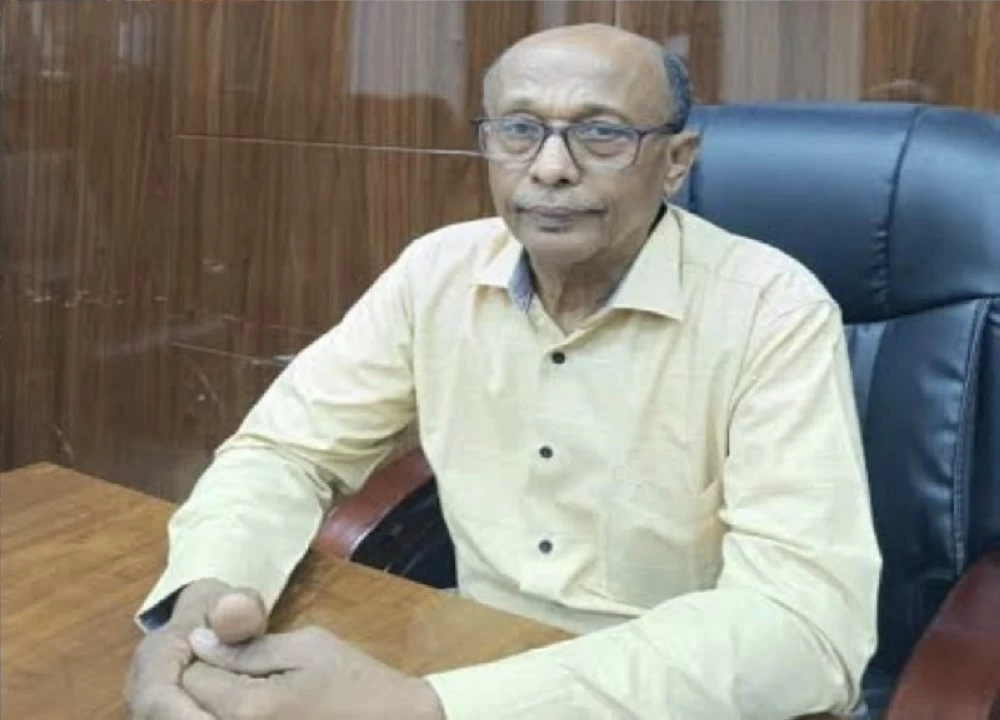
اتهمت منظمتان حقوقييتان يمنيتان أمس (السبت)، المجلس الانتقالي الجنوبي بالوقوف وراء اختطاف مدير عام ميناء المكلا المهندس سالم علي باسمير، ونقله قسراً مع أربعة أشخاص آخرين إلى أماكن مجهولة.
ودانت مؤسسة تمكين المرأة اليمنية -بأشد العبارات- جريمة الاختطاف التي وصفتها بـ«الخطيرة»، دون أي أوامر قضائية أو مسوغ قانوني، مشيرة إلى أنها انتهاك صارخ للدستور اليمني، والقوانين النافذة، وأبسط قواعد حقوق الإنسان.
وأشارت المؤسسة إلى أن ما جرى جريمة اختطاف مكتملة الأركان، وجزء من نمط متكرر من الانتهاكات التي تمارسها مجاميع المجلس الانتقالي خارج إطار القانون، في تحدٍ سافر لمؤسسات الدولة والسلطة القضائية.
من جهتها، قالت الشبكة اليمنية للحقوق والحريات المنظمة في بيان إن «اختطاف المهندس سالم علي باسمير يشكّل جريمة اختفاء قسري مكتملة الأركان، وانتهاكاً جسيماً للدستور اليمني، ولأحكام القانون الدولي لحقوق الإنسان، ولا سيما الحق في الحرية والأمان الشخصي وضمانات المحاكمة العادلة»، موضحة أنها تلقت بلاغات ميدانية موثوقة تفيد بقيام مجاميع المجلس الانتقالي بتوزيع أسلحة على مواطنين داخل مدينة المكلا، في سلوك بالغ الخطورة يهدف إلى عسكرة المدينة، وزعزعة السلم الأهلي، ودفعها عمداً نحو دائرة العنف والفوضى.
وأشارت الشبكة إلى أن هذه الأفعال تُشكّل انتهاكاً جسيماً ومتعمداً للقانون الدولي، وخرقاً صريحاً لقرار مجلس الأمن رقم (2216)، الذي يفرض حظراً واضحاً وملزماً على توريد أو نقل الأسلحة إلى أي أطراف غير حكومية في اليمن، ويُلزم الدول الأعضاء بالامتناع عن أي أعمال من شأنها تقويض سيادة اليمن أو تأجيج النزاع المسلح فيه، مبينة أن ما وثقته فرقها الميدانية في محافظتي حضرموت والمهرة من انتهاكات جسيمة وواسعة النطاق ارتكبتها قوات تابعة للمجلس الانتقالي بحق المدنيين، يجعل من أي دولة تقوم بتزويد هذه التشكيلات بالسلاح أو الدعم العسكري طرفاً محتملاً في المسؤولية الدولية، سواء من حيث المساهمة أو التواطؤ أو تسهيل ارتكاب انتهاكات خطيرة للقانون الدولي الإنساني وقانون حقوق الإنسان.
Two Yemeni human rights organizations accused the Southern Transitional Council yesterday (Saturday) of being behind the abduction of the General Director of the Mukalla Port, Engineer Salem Ali Basmeir, and forcibly transferring him along with four other individuals to unknown locations.
The Yemeni Women's Empowerment Foundation condemned the kidnapping in the strongest terms, describing it as a "serious" crime, carried out without any judicial orders or legal justification, noting that it constitutes a blatant violation of the Yemeni constitution, applicable laws, and the most basic human rights standards.
The foundation indicated that what occurred is a complete kidnapping crime and part of a recurring pattern of violations perpetrated by groups of the Southern Transitional Council outside the framework of the law, in a blatant challenge to state institutions and the judiciary.
For its part, the Yemeni Network for Rights and Freedoms stated in a statement that "the abduction of Engineer Salem Ali Basmeir constitutes a complete crime of enforced disappearance and a serious violation of the Yemeni constitution and international human rights law, particularly the right to personal freedom and security and guarantees of a fair trial." It clarified that it received reliable field reports indicating that groups of the Southern Transitional Council were distributing weapons to citizens within the city of Mukalla, in a highly dangerous behavior aimed at militarizing the city, destabilizing public peace, and deliberately pushing it towards a cycle of violence and chaos.
The network pointed out that these actions constitute a serious and deliberate violation of international law and a clear breach of Security Council Resolution No. (2216), which imposes a clear and binding prohibition on the supply or transfer of weapons to any non-governmental parties in Yemen, and obliges member states to refrain from any actions that would undermine Yemen's sovereignty or exacerbate armed conflict within it. It noted that the extensive and serious violations documented by its field teams in the governorates of Hadramout and Al-Mahra, committed by forces affiliated with the Southern Transitional Council against civilians, make any state that supplies these formations with weapons or military support a potential party to international responsibility, whether in terms of contribution, complicity, or facilitating the commission of serious violations of international humanitarian law and human rights law.