وسط إجراءات أمنية مشددة، انطلق في الصومال اليوم (الخميس) التصويت في الانتخابات البلدية بما يمهد الطريق لأول انتخابات وطنية مباشرة منذ أكثر من نصف قرن.
ورغم مقاطعة المعارضة، لكن بدأ أول اقتراع مباشر، في البلد الواقع في شرقي أفريقيا، منذ نحو 60 عاماً، بعد تصويت غير مباشر معقد قائم على العشائر وطُبق منذ عام 1969.
ويتنافس في الانتخابات أكثر من 1600 مرشح ضمن 20 تياراً مسجلاً لدى مفوضية الانتخابات على 390 مقعداً في منطقة بنادر بجنوب شرقي الصومال.
وأدلى أعضاء من مجلس النواب والحكومة بأصواتهم في العاصمة مقديشو من بينهم نائب رئيس الوزراء صالح أحمد جامع، الذي أدى بصوته في مركز جامعة غرين هوب بمديرية هودن.
وكان وزير الأمن عبد الله شيخ إسماعيل قد أعلن نشر أكثر من 10 آلاف عنصر أمن في مقديشو لتأمين الانتخابات.
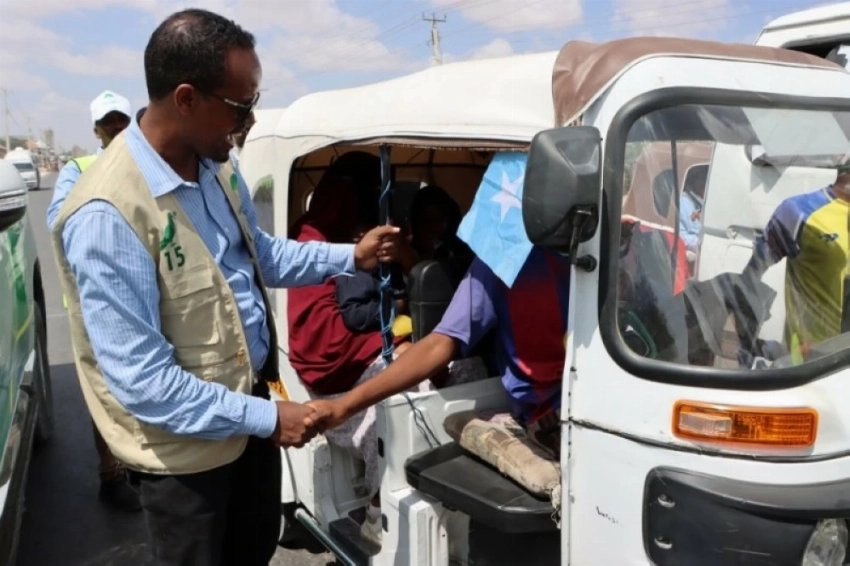
أعضاء من حزب الرئيس الصومالي يقدمون برامجهم الانتخابية قبل يومين من انطلاق الاقتراع (إ ب أ)
وترفض المعارضة الصومالية الاعتراف بمفوضية الانتخابات وتتهمها بعدم الاستقلالية.
وقال الرئيس الصومالي حسن شيخ محمود والذي يقود تيار حزب العدل والمساواة في كلمة تلفزيونية الليلة الماضية، إن «الانتخابات البلدية فرصة مهمة في مسار بناء الدولة»، داعياً سكان العاصمة إلى المبادرة بالتوجه إلى مراكز الاقتراع في الانتخابات التي قال إنها خطوة تستحق الاحتفال.
وأضاف أن «بعض المعارضة يتضايقون بمشاهدة طوابير شعبية تدلي أصواتها، رغم أن أنظار العالم تتجه نحو الصومال».
وتتهم المعارضة الحكومة الفيدرالية باتخاذ إجراءات انتخابية أحادية، وتصر على مقاطعة انتخابات المجالس البلدية.
ومن المتوقع تنظيم انتخابات برلمانية ورئاسية عام 2026، مع انتهاء ولاية الرئيس حسن شيخ محمود.
ويكافح الصومال للنهوض بعد عقود من نزاعات وفوضى وكوارث طبيعية، بالإضافة إلى قتال مستمر ضد حركة «الشباب» المسلحة التي أعلنت مبايعتها لتنظيم القاعدة الإرهابي.
ويجري الصومال باستثناء منطقة بونتلاند شبه المستقلة ومنطقة أرض الصومال الانفصالية الانتخابات البلدية.
Amid tight security measures, voting in the municipal elections began today (Thursday) in Somalia, paving the way for the first direct national elections in over half a century.
Despite the opposition's boycott, the first direct voting has started in the East African country after nearly 60 years, following a complex indirect voting system based on clans that has been in place since 1969.
More than 1,600 candidates are competing in the elections across 20 registered parties with the electoral commission for 390 seats in the Banadir region in southeastern Somalia.
Members of the House of Representatives and the government cast their votes in the capital, Mogadishu, including Deputy Prime Minister Salah Ahmed Jama, who voted at the Green Hope University polling center in the Hodan district.
Security Minister Abdullah Sheikh Ismail announced the deployment of more than 10,000 security personnel in Mogadishu to secure the elections.
أعضاء من حزب الرئيس الصومالي يقدمون برامجهم الانتخابية قبل يومين من انطلاق الاقتراع (إ ب أ)
The Somali opposition refuses to recognize the electoral commission and accuses it of lacking independence.
Somali President Hassan Sheikh Mohamud, who leads the Justice and Equality Party, stated in a televised address last night that “the municipal elections are an important opportunity in the state-building process,” urging the residents of the capital to take the initiative to head to the polling stations in what he described as a step worth celebrating.
He added that “some in the opposition are troubled by seeing long lines of citizens casting their votes, even as the eyes of the world are on Somalia.”
The opposition accuses the federal government of taking unilateral electoral measures and insists on boycotting the municipal council elections.
Parliamentary and presidential elections are expected to be held in 2026, coinciding with the end of President Hassan Sheikh Mohamud's term.
Somalia is struggling to recover after decades of conflict, chaos, and natural disasters, in addition to an ongoing fight against the armed group "Al-Shabaab," which has pledged allegiance to the terrorist organization Al-Qaeda.
Municipal elections are being held in Somalia, except for the semi-autonomous Puntland region and the breakaway Somaliland region.