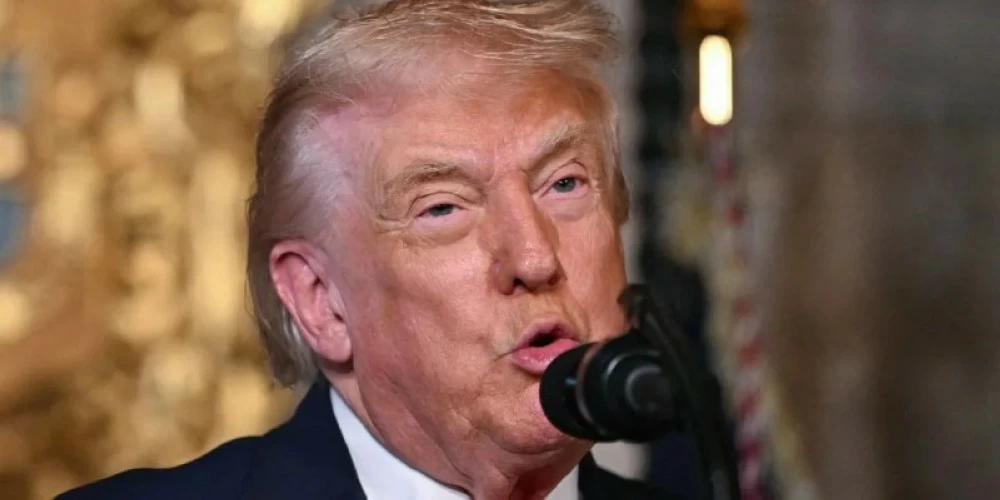
في ظل إعادة الرئيس الأمريكي دونالد ترمب تشكيل السياسة الخارجية الأمريكية بشكل جذري، كشف استطلاع رأي جديد مشترك بين مجلة «بوليتيكو» وشركة «بابليك فيرست» البريطانية المستقلة عن نظرة سلبية واسعة النطاق تجاه الولايات المتحدة لدى أقرب حلفائها في أوروبا وكندا.
ووفقاً للاستطلاع، يرى تعددية في ألمانيا وفرنسا، وأغلبية في كندا، أن الولايات المتحدة تمثل «قوة سلبية» على الساحة العالمية، أما في المملكة المتحدة، فالآراء أكثر تبايناً، لكن أكثر من ثلث المشاركين يشاركون هذا التقييم السلبي، كما يعتقد غالبية قريبة في الدول الأربع أن أمريكا تميل إلى «خلق مشكلات للدول الأخرى» بدلاً من حلها.
ردود الفعل على تغييرات ترمب
يأتي هذا الاستطلاع كلقطة تعكس ردود الفعل على تغييرات ترمب في السياسة الخارجية خلال عامه الأول في الولاية الثانية، بما في ذلك أجندة تجارية واسعة، خطاب حاد تجاه الحلفاء التقليديين، وإعادة توجيه الوضع العسكري الأمريكي.
أمريكا تتحدّى حلفاءها
وفي كندا، يرى أغلبية أن الولايات المتحدة «تتحدى» حلفاءها بدلاً من دعمهم، وفي ألمانيا وفرنسا، يقول نحو نصف المشاركين الشيء نفسه.
أما في بريطانيا، فيعتقد 4 من كل 10 أن أمريكا تتحدى حلفاءها، وأكثر من ثلث يرون أنها لا يمكن الاعتماد عليها في الأزمات، ونحو نصف يقولون إنها تخلق مشكلات، و35% يصفونها بـ«قوة سلبية».
تشويش على خطوط التحالفات العالمية
ويرى الاستطلاع أن ترمب أثار تشويشاً على خطوط التحالفات العالمية التقليدية، خاصة في كندا وأوروبا، حيث وصف أوروبا في مقابلة مع «بوليتيكو» بأنها مجموعة دول «متحللة» يقودها أشخاص «ضعفاء»، واعتبرت استراتيجيته الأمنية الوطنية أن القارة فقدت «هوياتها الوطنية وثقتها الذاتية».
في المقابل، كانت اللغة أقل حدة تجاه روسيا، رغم استعداد الحلفاء الأوروبيين لما وصفوه بـ«حرب هجينة» مع موسكو.
رد أمريكي
من جانبه، دافع وزير الخارجية ماركو روبيو عن نهج الإدارة، مؤكداً أن التحالف عبر الأطلسي يرتكز على قيم «حضارية» مشتركة.
وقال في إحاطة الأسبوع الماضي: «أعتقد أن جوهر هذه العلاقات الخاصة هو تاريخ مشترك وقيم حضارية يجب أن نكون غير اعتذاريين عنها».
ويرى ماثيو كروينيغ، نائب رئيس مركز سكوكروفت للاستراتيجية والأمن في مجلس الأطلسي، أن الرأي العام في الديمقراطيات يعكس غالباً آراء النخبة السياسية، وأن الشكوك تجاه الولايات المتحدة وإدارة ترمب تنتقل إلى الجمهور.
موقف قادة أوروبا من سياسات ترمب
وفي أوروبا وكندا، يعيد القادة حساباتهم تحت أجندة ترمب، أما في ألمانيا، دفع تراجع الدعم الأمريكي لأوكرانيا، والشكوك حول التزام واشنطن بحلف الناتو، وحرب التعريفات الجمركية، المستشار فريدريش ميرتس إلى تجاوز الحدود التقليدية للإنفاق الدفاعي، وقبل توليه المنصب بأسابيع، أقر إصلاح إنفاق تاريخي يفتح مئات المليارات من اليورو للدفاع والبنية التحتية بعد سنوات من التقشف.
وفي فرنسا، يتابع الرئيس إيمانويل ماكرون دبلوماسية شخصية مع ترمب، مستغلاً عدم القدرة على التنبؤ به لتعزيز الحجج لاستقلال استراتيجي أوروبي أكبر.
أما في بريطانيا، يتجنب رئيس الوزراء كير ستارمر المواجهة العلنية، مركزاً على إنهاء اتفاق تجاري مع الولايات المتحدة وتنسيق رد أوروبي على جهود ترمب لإنهاء الحرب في أوكرانيا دون إغضاب البيت الأبيض.
أما في كندا، شهدت العلاقات تدهوراً حاداً وسط حرب تجارية قاسية وتصريحات ترمب المتقطعة حول الضم.
الوضع داخلياً في أمريكا
داخلياً في أمريكا، يرى الأمريكيون بلادهم بشكل أكثر إيجابية: 49% يقولون إنها تدعم حلفاءها، و52% إنها موثوقة في الأزمات، و51% إنها قوة إيجابية، لكن الديمقراطيين أكثر سلبية، إذ يرى 47% من ناخبي كامالا هاريس السابقين أن أمريكا قوة سلبية، مقابل 13% فقط من ناخبي ترمب، كما يفضل الكثير من الديمقراطيين نماذج أخرى مثل الاتحاد الأوروبي (58%) وكندا (64%).
In light of President Donald Trump's radical reshaping of American foreign policy, a new joint poll by Politico and the independent British firm Public First has revealed a widespread negative perception of the United States among its closest allies in Europe and Canada.
According to the poll, a plurality in Germany and France, and a majority in Canada, view the United States as a "negative force" on the global stage. In the United Kingdom, opinions are more varied, but more than a third of participants share this negative assessment, and a near majority in all four countries believes that America tends to "create problems for other countries" rather than solve them.
Reactions to Trump's Changes
This poll serves as a snapshot reflecting reactions to Trump's changes in foreign policy during his first year in his second term, including a broad trade agenda, a sharp rhetoric towards traditional allies, and a reorientation of American military posture.
America Challenges Its Allies
In Canada, a majority believes that the United States "challenges" its allies rather than supports them, and in Germany and France, about half of the participants express the same sentiment.
In Britain, 4 out of 10 believe that America challenges its allies, and more than a third see it as unreliable in crises, with nearly half stating that it creates problems, and 35% describing it as a "negative force."
Disruption of Global Alliances
The poll indicates that Trump has caused disruption to traditional global alliances, particularly in Canada and Europe, where he described Europe in an interview with Politico as a group of "decaying" countries led by "weak" people. His national security strategy considered that the continent has lost its "national identities and self-confidence."
In contrast, the language used towards Russia has been less harsh, despite European allies' readiness for what they described as a "hybrid war" with Moscow.
American Response
For his part, Secretary of State Marco Rubio defended the administration's approach, asserting that the transatlantic alliance is based on shared "civilizational" values.
He stated in a briefing last week: "I believe the essence of these special relationships is a shared history and civilizational values that we should be unapologetic about."
Matthew Kroenig, Deputy Director of the Scowcroft Center for Strategy and Security at the Atlantic Council, believes that public opinion in democracies often reflects the views of the political elite, and that skepticism towards the United States and the Trump administration is filtering down to the public.
European Leaders' Stance on Trump's Policies
In Europe and Canada, leaders are recalibrating under Trump's agenda. In Germany, the decline in American support for Ukraine, doubts about Washington's commitment to NATO, and the trade war have led Chancellor Friedrich Merz to exceed traditional defense spending limits. Just weeks before taking office, he approved a historic spending reform that opens hundreds of billions of euros for defense and infrastructure after years of austerity.
In France, President Emmanuel Macron is pursuing a personal diplomacy with Trump, leveraging his unpredictability to bolster arguments for greater European strategic independence.
In Britain, Prime Minister Keir Starmer is avoiding public confrontation, focusing instead on finalizing a trade agreement with the United States and coordinating a European response to Trump's efforts to end the war in Ukraine without angering the White House.
In Canada, relations have sharply deteriorated amid a harsh trade war and Trump's sporadic remarks about annexation.
Domestic Situation in America
Domestically in America, Americans view their country more positively: 49% say it supports its allies, 52% say it is reliable in crises, and 51% say it is a positive force. However, Democrats are more negative, with 47% of former Kamala Harris voters seeing America as a negative force, compared to only 13% of Trump voters. Many Democrats also prefer other models such as the European Union (58%) and Canada (64%).