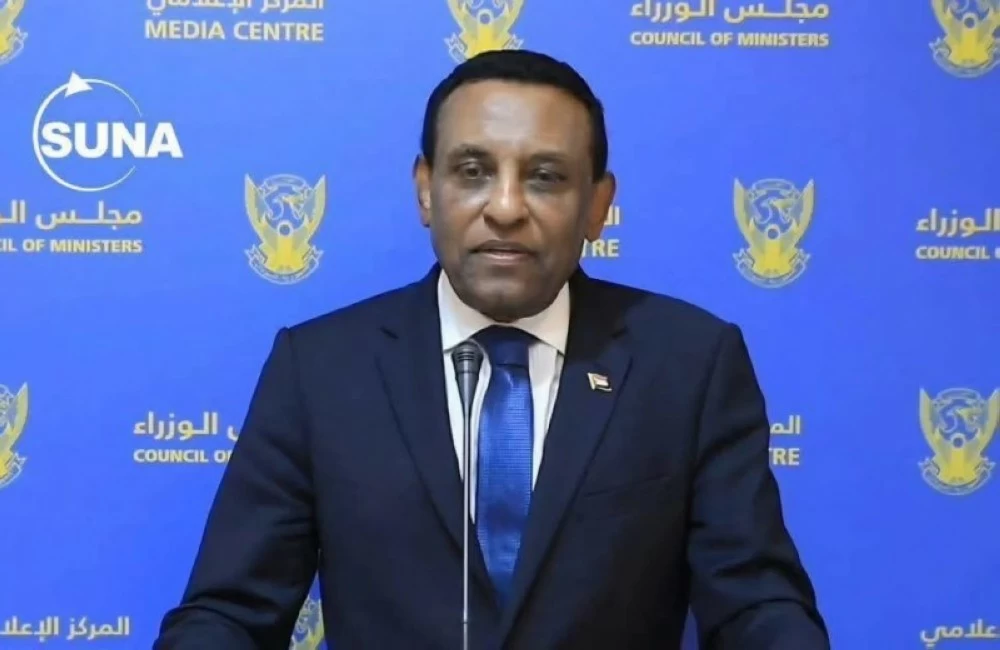
اقترح رئيس الوزراء السوداني كامل إدريس مبادرة تتضمن وقفاً شاملاً لإطلاق النار تحت رقابة دولية وإقليمية، مؤكداً أن السودان دفع ثمناً باهظاً بسبب النزاع المستمر.
حوار سوداني سوداني
وقال إدريس، خلال كلمته أمام مجلس الأمن الدولي مساء أمس (الإثنين)، إن المبادرة تركز على وقف شامل لإطلاق النار تحت إشراف الأمم المتحدة والاتحاد الأفريقي والجامعة العربية، إلى جانب ضمان نزع سلاح قوات الدعم السريع.
وأضاف أن المبادرة تشمل تنفيذ برامج نزع السلاح والتسريح وإعادة الإدماج للمقاتلين غير المدانين؛ بهدف دعم عودتهم إلى الحياة المدنية، مؤكداً أن «لا سلام دون مساءلة».
ودعا إدريس إلى حوار سوداني سوداني خلال الفترة الانتقالية للاتفاق على أسس الحكم، على أن تُختتم المرحلة الانتقالية بانتخابات عامة تحت رقابة دولية.
وأوضح أن هذه المبادرة خيار مدروس لاستبدال الفوضى بالنظام والعنف بالقانون واليأس بالأمل، لافتاً إلى أن بلاده تعرضت لما سماه «عدوان من قبل الدعم السريع وداعميها».
تسهيل وصول المساعدات
ووصل إدريس إلى نيويورك، السبت، للاجتماع بالأمين العام للأمم المتحدة ومسؤولين آخرين ومناقشة سبل تسهيل وصول المساعدات الإنسانية ووقف محتمل لإطلاق النار، وفق ما أفاد مصدران في الحكومة.
وتأتي هذه الزيارة في ظلّ احتدام المعارك بين الجيش السوداني و«قوّات الدعم السريع» في جنوب كردفان، ما يثير مخاوف من فظائع جديدة شبيهة بتلك التي ارتكبت في مدينة الفاشر في أواخر أكتوبر.
وترافقت سيطرة قوّات الدعم السريع على آخر معقل للجيش في إقليم دارفور (غرب) مع تقارير عن عمليات قتل جماعي واغتصاب واختطاف.
وكشف مصدر في الحكومة السودانية، لـ«وكالة الصحافة الفرنسية»، أن اجتماع إدريس بالأمين العام للأمم المتحدة، أنطونيو غوتيريش، «يهدف لوضع حدّ للأزمة الإنسانية المتفاقمة» في السودان.
وأفاد مستشار رئيس الوزراء السوداني محمد عبدالقادر، أن الاجتماعات في نيويورك «تركّز على ضرورة تخفيف المعاناة الإنسانية عن السودانيين، وتسهيل وصول المساعدات للمتضرّرين».
وأكد أن هذه اللقاءات تعكس «التزام الحكومة بخريطة الطريق التي سلمتها للمنظمة الدولية، والتي تتضمّن وقفاً لإطلاق للنار مشروطاً بانسحاب (قوّات الدعم السريع) من المناطق والمدن التي تحتلّها».
تجدد المساعي الدبلوماسية
وتجدّدت المساعي الدبلوماسية حول الأزمة في السودان الشهر الماضي، بعد تعهّد الرئيس الأمريكي دونالد ترمب بإنهاء الصراع إثر لقائه ولي العهد الأمير محمد بن سلمان، الذي طلب منه التدخّل لحلحلة الوضع.
وأعرب قائد الجيش السوداني عبدالفتاح البرهان، الأسبوع الماضي، استعداده للعمل مع ترمب لإنهاء النزاع، إثر محادثات في الرياض مع ولي العهد الأمير محمد بن سلمان. وتكثفت الجهود الدبلوماسية في الأشهر الأخيرة. وحذّرت مصر من أن تصعيد العنف عند حدودها الجنوبية «يمسّ مباشرة الأمن القومي المصري، الذي يرتبط ارتباطاً مباشراً بالأمن القومي السوداني».
The Sudanese Prime Minister, Kamel Idris, proposed an initiative that includes a comprehensive ceasefire under international and regional supervision, emphasizing that Sudan has paid a heavy price due to the ongoing conflict.
Sudanese-Sudanese Dialogue
Idris stated during his speech before the United Nations Security Council last night (Monday) that the initiative focuses on a comprehensive ceasefire under the supervision of the United Nations, the African Union, and the Arab League, alongside ensuring the disarmament of the Rapid Support Forces.
He added that the initiative includes the implementation of disarmament, demobilization, and reintegration programs for non-convicted fighters, aiming to support their return to civilian life, stressing that "there is no peace without accountability."
Idris called for a Sudanese-Sudanese dialogue during the transitional period to agree on the foundations of governance, with the transitional phase concluding with general elections under international supervision.
He explained that this initiative is a well-considered option to replace chaos with order, violence with law, and despair with hope, noting that his country has been subjected to what he termed "aggression by the Rapid Support Forces and their supporters."
Facilitating Aid Access
Idris arrived in New York on Saturday to meet with the UN Secretary-General and other officials to discuss ways to facilitate humanitarian aid access and a potential ceasefire, according to two government sources.
This visit comes amid escalating battles between the Sudanese army and the "Rapid Support Forces" in South Kordofan, raising concerns about new atrocities similar to those committed in the city of El Fasher in late October.
The control of the Rapid Support Forces over the last stronghold of the army in the Darfur region (west) has been accompanied by reports of mass killings, rape, and abduction.
A source in the Sudanese government revealed to the Agence France-Presse that Idris's meeting with UN Secretary-General Antonio Guterres "aims to put an end to the worsening humanitarian crisis" in Sudan.
Mohamed Abdelkader, an advisor to the Sudanese Prime Minister, stated that the meetings in New York "focus on the necessity of alleviating the humanitarian suffering of Sudanese people and facilitating aid access for those affected."
He confirmed that these meetings reflect "the government's commitment to the roadmap submitted to the international organization, which includes a ceasefire conditioned on the withdrawal of the Rapid Support Forces from the areas and cities they occupy."
Renewed Diplomatic Efforts
Diplomatic efforts regarding the crisis in Sudan were renewed last month after U.S. President Donald Trump pledged to end the conflict following his meeting with Crown Prince Mohammed bin Salman, who requested his intervention to resolve the situation.
Last week, Sudanese army chief Abdel Fattah al-Burhan expressed his readiness to work with Trump to end the conflict after talks in Riyadh with Crown Prince Mohammed bin Salman. Diplomatic efforts have intensified in recent months. Egypt warned that escalating violence at its southern borders "directly affects Egyptian national security, which is directly linked to Sudanese national security."