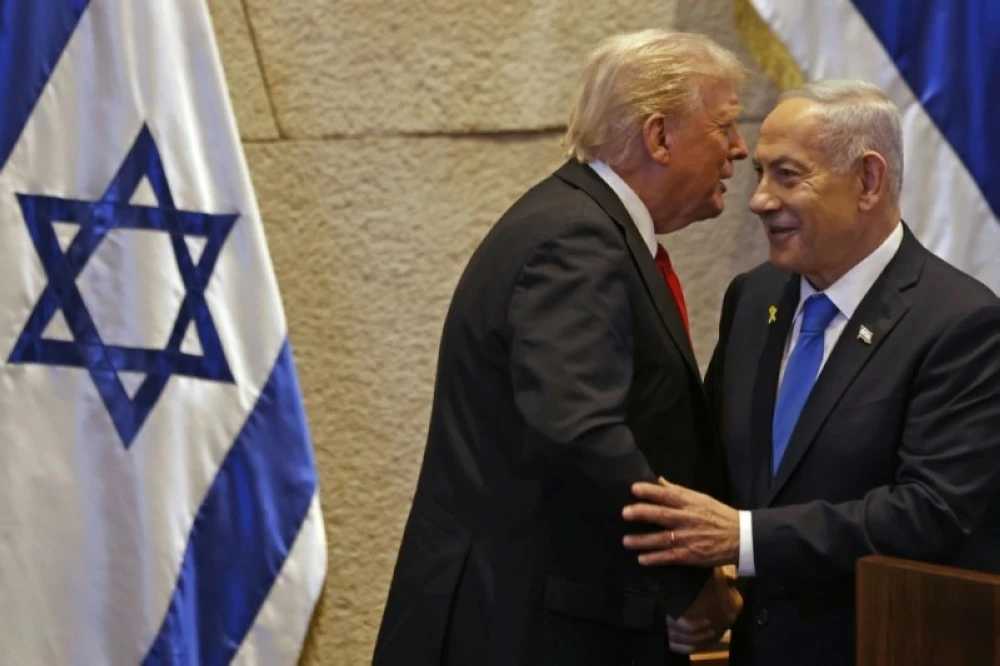
كشف مسؤولون إسرائيليون أن القرارات الحاسمة بشأن المرحلة الثانية من اتفاق وقف إطلاق النار في قطاع غزة، مرهونة بالاجتماع المرتقب بين رئيس الوزراء بنيامين نتنياهو والرئيس الأمريكي دونالد ترمب في فلوريدا نهاية الشهر الجاري.
الموقف من القضايا الشائكة
وأفاد المسؤولون لصحيفة «هآرتس»، أن التوجه الإسرائيلي للمرحلة القادمة يعتمد بشكل أساسي على موقف إدارة ترمب من قضايا شائكة، أبرزها كيفية الربط بين انسحاب قوات الجيش الإسرائيلي ونزع سلاح حركة حماس، وضمان تدمير ما تبقى من شبكة الأنفاق. وتوقعت أن يعرض ترمب خلال الاجتماع نهج إدارته في دفع الخطة وآلية اتخاذ القرار.
من جانبه، أعلن المبعوث الأمريكي ستيف ويتكوف اجتماعاً رباعياً عقد في ميامي، أمس السبت، ضم ممثلين عن الولايات المتحدة ومصر وقطر وتركيا. وقال في بيان إن الأطراف ناقشت «تدابير التكامل الإقليمي» ودعمت إنشاء «مجلس السلام» كإدارة انتقالية لإدارة شؤون القطاع.
وأضاف ويتكوف أن المرحلة الأولى من الاتفاق بدأت تؤتي ثمارها من خلال زيادة المساعدات الإنسانية والانسحاب الجزئي للقوات وتقليص حدة القتال.
خطة أمريكية طموحة
وكشفت تقارير مسودة خطة أمريكية طموحة لإعادة إعمار غزة أعدها المبعوثان جاريد كوشنر وستيف ويتكوف تحت اسم «مشروع الشروق».
وتقدر تكلفة الخطة بنحو 112 مليار دولار، مع تخصيص جزء كبير من التمويل في السنوات الأولى للحاجات الإنسانية.
وبحسب المسودة، تنفذ إعادة الإعمار على 4 مراحل تبدأ في رفح وخان يونس، وتشمل بناء نحو 100 ألف وحدة سكنية ومئات المباني العامة، على أن تصبح رفح مقر الإدارة المستقبلية. وتمتد الخطة لأكثر من 20 عاماً، مع توقعات بتطوير ساحل غزة وفتحه أمام الاستثمار الخاص.
وقالت مصادر إن تنفيذ الخطة مشروط بتحسن الأوضاع الأمنية ونزع سلاح حماس وتدمير شبكة الأنفاق.
ورغم التفاؤل الاقتصادي، لا تزال الضمانات الأمنية تشكل العقبة الرئيسية. وفي تصريحات تعكس موقف واشنطن، قال وزير الخارجية ماركو روبيو: «لن يقتنع أحد باستثمار الأموال إذا اعتقدوا أن حرباً أخرى ستندلع في غضون عامين أو ثلاثة».
Israeli officials revealed that decisive decisions regarding the second phase of the ceasefire agreement in the Gaza Strip are contingent upon the upcoming meeting between Prime Minister Benjamin Netanyahu and U.S. President Donald Trump in Florida at the end of this month.
The Stance on Controversial Issues
Officials told the newspaper "Haaretz" that the Israeli approach for the next phase primarily depends on the Trump administration's stance on contentious issues, most notably how to link the withdrawal of Israeli military forces to the disarmament of Hamas and ensuring the destruction of what remains of the tunnel network. It is expected that Trump will present his administration's approach to advancing the plan and the decision-making mechanism during the meeting.
For his part, U.S. envoy Steve Witkoff announced a quadripartite meeting held in Miami yesterday, Saturday, which included representatives from the United States, Egypt, Qatar, and Turkey. He stated in a press release that the parties discussed "regional integration measures" and supported the establishment of a "Peace Council" as a transitional administration to manage the affairs of the sector.
Witkoff added that the first phase of the agreement is beginning to bear fruit through increased humanitarian aid, partial troop withdrawal, and a reduction in the intensity of fighting.
Aspirational American Plan
Reports revealed a draft of an ambitious American plan for the reconstruction of Gaza prepared by envoys Jared Kushner and Steve Witkoff under the name "Project Sunrise."
The estimated cost of the plan is about $112 billion, with a significant portion of the funding allocated in the initial years for humanitarian needs.
According to the draft, the reconstruction will be implemented in four phases starting in Rafah and Khan Younis, including the construction of approximately 100,000 housing units and hundreds of public buildings, with Rafah becoming the headquarters of future administration. The plan extends over more than 20 years, with expectations for the development of the Gaza coast and opening it up to private investment.
Sources indicated that the implementation of the plan is conditional on improvements in security conditions, the disarmament of Hamas, and the destruction of the tunnel network.
Despite the economic optimism, security guarantees remain the main obstacle. In statements reflecting Washington's position, Secretary of State Marco Rubio said, "No one will be convinced to invest money if they believe that another war will break out within two or three years."