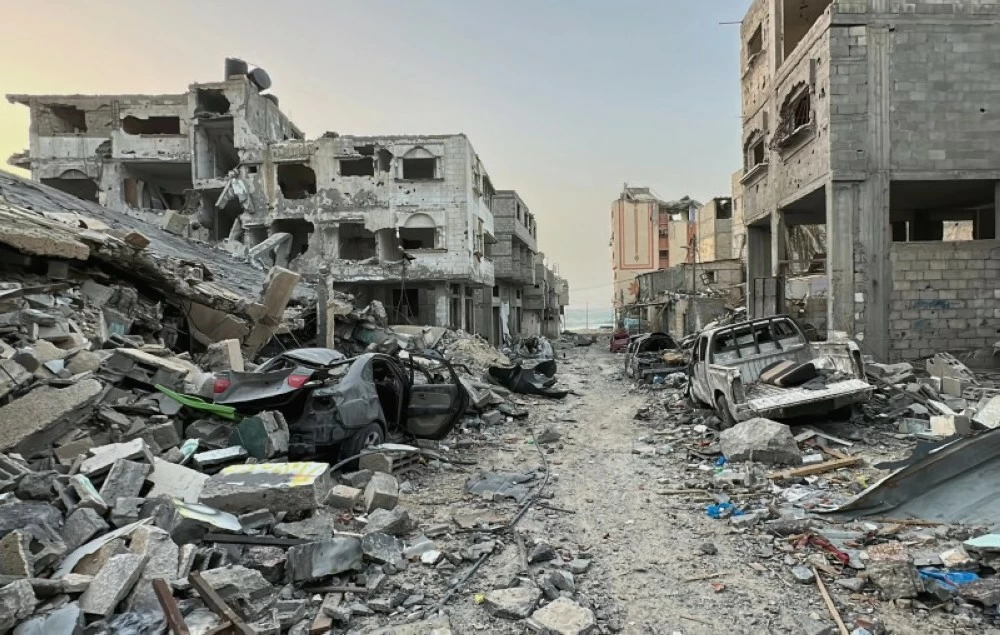
بتكلفة تقديرية تتجاوز 112 مليار دولار، وعلى مدى 10 سنوات، كشفت صحيفة «وول ستريت جورنال»، عن مبادرة أمريكية تحمل اسم «مشروع شروق الشمس» لإعادة إعمار قطاع غزة، إلا أنها مشروطة بنزع سلاح حماس.
المساهمة بـ20%
وأفادت الصحيفة أن الخطة أعدها فريق يضم مقربين من الرئيس الأمريكي دونالد ترمب، بينهم المبعوثان ستيف ويتكوف وجاريد كوشنر، وتهدف إلى إعادة تأهيل القطاع وتطوير البنية التحتية للنقل والطاقة والتكنولوجيا المتقدمة.
وتقترح الخطة أن تلعب الولايات المتحدة دور «الركيزة» في تمويل المشروع، من خلال المساهمة بنحو 20 بالمئة من كلفة إعادة الإعمار عبر منح وضمانات ديون تصل إلى قرابة 60 مليار دولار. وأفصح التقرير عن عرض المبادرة على دول مانحة محتملة، دون تحديد مصادر تمويل بقية المبلغ.
وتتضمن الخطة تنفيذاً مرحلياً يبدأ بإزالة الأنقاض وتقديم المساعدات الإنسانية، ثم الانتقال إلى بناء مساكن دائمة ومؤسسات تعليمية وطبية ودينية، إلى جانب شق الطرق وربط البنية التحتية.
وتشمل الخطة مشاريع طويلة الأمد مثل تطوير الواجهة الساحلية، وإنشاء وسائل نقل حديثة، ومشاريع عقارية. ولفت التقرير إلى أن تنفيذ المبادرة مشروط بنزع سلاح حركة حماس وتفكيك شبكة الأنفاق في القطاع.
غياب الاستقرار الأمني
ونقلت «وول ستريت جورنال» عن مسؤولين في الإدارة الأمريكية قولهم: إن غياب الاستقرار الأمني سيجعل من الصعب تأمين تمويل دولي، مع إبداء بعضهم شكوكاً بشأن إمكانية تنفيذ الخطة على أرض الواقع.
وكشفت عن وجود تباين داخل الإدارة الأمريكية بشأن جدوى المبادرة، إذ شكك بعض المسؤولين في إمكانية نزع سلاح حماس، وهو شرط أساسي للمضي قدماً، وفي استعداد الدول للإقدام على استثمار مبالغ ضخمة في منطقة تعاني من عدم الاستقرار.
With an estimated cost exceeding $112 billion, over a period of 10 years, the "Wall Street Journal" revealed an American initiative named "Project Sun Rise" for the reconstruction of the Gaza Strip, but it is conditional on the disarmament of Hamas.
Contributing 20%
The newspaper reported that the plan was prepared by a team that includes close associates of President Donald Trump, including envoys Steve Witkoff and Jared Kushner, and aims to rehabilitate the sector and develop infrastructure for transportation, energy, and advanced technology.
The plan proposes that the United States play the role of "the pillar" in financing the project, by contributing about 20 percent of the reconstruction costs through grants and debt guarantees amounting to nearly $60 billion. The report disclosed that the initiative was presented to potential donor countries, without specifying the funding sources for the remaining amount.
The plan includes a phased implementation that begins with debris removal and providing humanitarian aid, then moving on to building permanent housing and educational, medical, and religious institutions, along with constructing roads and connecting infrastructure.
The plan encompasses long-term projects such as developing the coastal front, establishing modern transportation means, and real estate projects. The report pointed out that the implementation of the initiative is conditional on the disarmament of Hamas and the dismantling of the tunnel network in the sector.
Lack of Security Stability
"Wall Street Journal" quoted officials in the U.S. administration as saying that the lack of security stability would make it difficult to secure international funding, with some expressing doubts about the feasibility of implementing the plan on the ground.
It revealed that there is a divergence within the U.S. administration regarding the viability of the initiative, as some officials doubted the possibility of disarming Hamas, which is a prerequisite for moving forward, and the willingness of countries to invest large sums in a region suffering from instability.