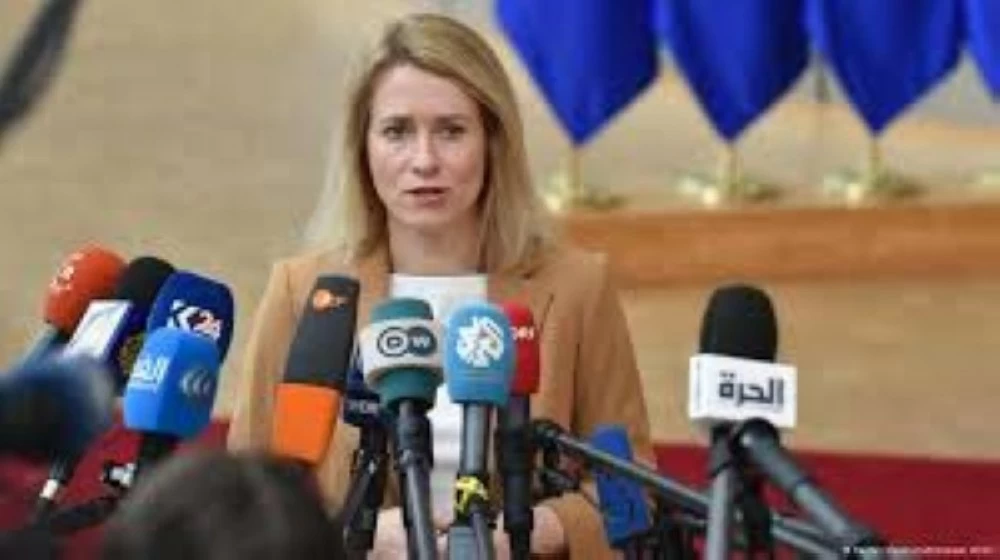
أفصحت مسؤولة السياسة الخارجية في الاتحاد الأوروبي كايا كالاس عن وجود صعوبات في مساعي التكتل لاستخدام الأصول الروسية لتمويل أوكرانيا، في ظل تعثر القادة في التوصل إلى اتفاق.
الخيار الأفضل
وفي وقت رفع البنك المركزي الروسي قضية تطالب «يوروكلير» التي تحتفظ بغالبية الأصول المجمدة في بلجيكا، بـ229 مليار يورو، تشمل الأصول وعوائدها، اعتبرت كالاس أن الوصول إلى الأصول المجمّدة لا يزال الخيار «الأفضل». ودعت خلال حديثها في اجتماع لوزراء خارجية الاتحاد الأوروبي في بروكسل قبيل قمة القادة المقررة يومي الخميس والجمعة، الدول الأعضاء إلى المضي قدماً في الخطة.
وقالت كالاس للصحفيين، اليوم (الإثنين)، إن الخيارات الأخرى لا تحظى بقبول فعلي. والأمر يزداد صعوبة، لكن لا يزال أمامنا بضعة أيام.
صلاحيات طارئة
ولجأ الاتحاد الأوروبي، الجمعة، إلى استخدام صلاحيات طارئة لتمديد تجميد الأصول الروسية إلى أجل غير مسمى، وهي خطوة أساسية باتجاه الاستفادة من هذه الأموال. وتُعد بلجيكا، التي تحتفظ بمعظم الأصول عبر مؤسسة الإيداع «يوروكلير»، من أكثر الدول الأعضاء تحفّظاً، مشيرة إلى مخاطر قانونية تتعلق بهذه الأصول.
وكانت الحكومة البلجيكية دعمت خطة الاتحاد الأوروبي الأسبوع الماضي، لكنها دعت المفوضية الأوروبية إلى طرح بدائل أخرى، وهو مقترح أيدته أيضاً مالطا وبلغاريا وإيطاليا، ثالث أكبر اقتصاد في التكتل.
ووفق كالاس، فإن القرار يتطلب أغلبية مؤهلة داخل الاتحاد الأوروبي، ومن المهم أن تكون بلجيكا موافقة على القرار.
دعوى قضائية روسية
وأفادت وكالة «تاس» الروسية الرسمية، الإثنين، بأن بنك روسيا المركزي رفع دعوى قضائية في موسكو مطالباً «يوروكلير» بدفع 18.2 تريليون روبل (229 مليار دولار).
وأعلن البنك المركزي، في بيان، أنه سيقاضي مؤسسة الإيداع التي تتخذ من بلجيكا مقراً لها؛ بسبب تصرفات غير قانونية تجعل من المستحيل على البنك التصرف في أمواله وأوراقه المالية.
وأضاف أن المبلغ المطالب به أمام محكمة التحكيم في موسكو يعادل إجمالي قيمة الأصول المجمّدة، إضافة إلى الدخل الإضافي المفقود منها. ونقلت وكالة RBC الإخبارية عن مصدرين قولهما إن البنك المركزي سيسعى إلى عقد جلسات المحاكمة بشكل مغلق.
وقال البنك المركزي الروسي، في بيان الجمعة، إنه سيطعن في أي استخدام غير مصرح به للأصول من جانب المفوضية أمام جميع الجهات المختصة المتاحة، بما في ذلك المحاكم الوطنية والهيئات القضائية في الدول الأجنبية والمنظمات الدولية. وأضاف أنه سيسعى أيضاً إلى تنفيذ الأحكام القضائية في أي دولة.
16 مليار يورو
وتحتفظ «يوروكلير» أيضاً بنحو 16 مليار يورو من أصول العملاء داخل روسيا، وتواجه خطر خسارتها إذا سُحبت الأموال الروسية من منظومة الإيداع.
وتحفظ موسكو أصول «يوروكلير» في روسيا ضمن ما يُعرف بحسابات C، المخصصة لتخزين أموال المستثمرين من الدول غير الصديقة، بموجب أمر وقّعه الرئيس فلاديمير بوتين.
وحكمت بعض المحاكم الروسية لصالح عدد من المستثمرين الروس الساعين لاسترداد عوائد أوراق مالية مجمّدة يملكونها، فيما حظر بوتين سحب الأموال من حسابات C، استناداً إلى أحكام قضائية صدرت بعد 3 يناير 2024.
The European Union's foreign policy chief, Kaia Kallas, revealed that there are difficulties in the bloc's efforts to use Russian assets to finance Ukraine, as leaders struggle to reach an agreement.
The Best Option
At the same time, the Central Bank of Russia raised a case demanding that "Euroclear," which holds the majority of frozen assets in Belgium, pay €229 billion, including the assets and their returns. Kallas considered that access to the frozen assets remains the "best" option. During her remarks at a meeting of EU foreign ministers in Brussels ahead of the leaders' summit scheduled for Thursday and Friday, she urged member states to move forward with the plan.
Kallas told reporters today (Monday) that other options are not practically acceptable. The situation is becoming more difficult, but we still have a few days left.
Emergency Powers
On Friday, the European Union resorted to using emergency powers to extend the freeze on Russian assets indefinitely, a crucial step towards benefiting from these funds. Belgium, which holds most of the assets through the deposit institution "Euroclear," is one of the most cautious member states, citing legal risks associated with these assets.
The Belgian government supported the EU's plan last week but called on the European Commission to propose alternative options, a suggestion also backed by Malta, Bulgaria, and Italy, the third-largest economy in the bloc.
According to Kallas, the decision requires a qualified majority within the EU, and it is important for Belgium to agree to the decision.
Russian Lawsuit
The Russian official news agency TASS reported on Monday that the Central Bank of Russia has filed a lawsuit in Moscow demanding that "Euroclear" pay 18.2 trillion rubles (approximately $229 billion).
The central bank announced in a statement that it will sue the deposit institution based in Belgium for illegal actions that make it impossible for the bank to manage its funds and securities.
It added that the amount being claimed before the arbitration court in Moscow equals the total value of the frozen assets, in addition to the lost additional income from them. RBC news agency quoted two sources as saying that the central bank will seek to hold trial sessions behind closed doors.
The Central Bank of Russia stated in a statement on Friday that it will challenge any unauthorized use of the assets by the Commission before all available competent authorities, including national courts and judicial bodies in foreign countries and international organizations. It also added that it will seek to enforce court rulings in any country.
€16 Billion
"Euroclear" also holds about €16 billion of client assets within Russia and faces the risk of losing them if Russian funds are withdrawn from the deposit system.
Moscow retains "Euroclear" assets in Russia under what is known as C accounts, designated for storing funds of investors from unfriendly countries, under an order signed by President Vladimir Putin.
Some Russian courts have ruled in favor of several Russian investors seeking to recover returns on frozen securities they own, while Putin has prohibited the withdrawal of funds from C accounts based on court rulings issued after January 3, 2024.