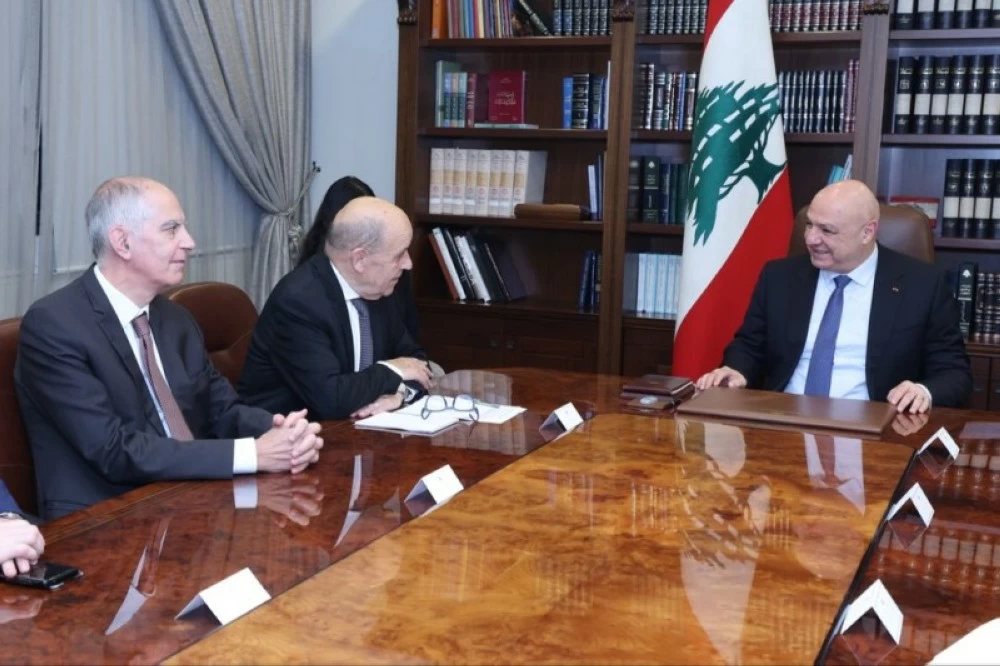
تحركت باريس في الأيام القليلة الماضية نحو بيروت مرة جديدة، لكن من زاوية مختلفة تماماً عن كل مراحل حضورها السابقة. ففي لحظة تتزاحم فيها المخاوف اللبنانية والدولية، وجدت فرنسا أن المشهد يتغيّر بسرعة أكبر مما كان متوقعاً: مفاوضات مع إسرائيل تتحوّل من اتصالات عسكرية تقنية إلى مسار سياسي أوسع، ودور الدولة اللبنانية يتقدم عبر لجنة «الميكانيزم»، فيما الحدود مع سورية تتحوّل ملفاً عاجلاً تتقاطع حوله الفاتيكان وواشنطن والرياض.
وسط هذا كله، تتلمس فرنسا انزلاقاً محتملاً قد يعيد الجنوب إلى المجهول، وانقسامات داخلية تهدّد بإسقاط الانتخابات النيابية، وبروز مرحلة لبنانية لا تريد باريس أن تجد نفسها خارجها. من هنا تعود الحركة الفرنسية بأدوات جديدة وأسئلة أكثر مباشرة من السابق.
في القراءة الفرنسية، لبنان يقف عند مفترق طريق حقيقي. فوقف إطلاق النار الذي تم تثبيته نهاية نوفمبر ٢٠٢٤ لا يزال هشّاً تحت وطأة الاعتداءات الإسرائيلية اليومية، والتصلب القائم على جانبي الحدود. وشكّل تعيين السفير سيمون كرم لقيادة الوفد اللبناني داخل الميكانيزم بالنسبة إلى باريس إشارة أولى إلى انتقال الدولة من موقع رد الفعل إلى موقع المبادرة، وهو ما كانت فرنسا تسعى إليه منذ أشهر.
وترى باريس في هذه الخطوة منعطفاً سياسياً يسمح بإعادة بناء شرعية تفاوضية للبنان، خصوصاً في المرحلة القادمة التي ستشهد توسعاً في نطاق البحث حول النقاط الحدودية المحتلة ومسارات الانسحاب.
هاجس اليونيفيل وتمدّد الفراغ
ومن بين العوامل الأكثر إلحاحاً بالنسبة إلى باريس، مستقبل وجود قوات اليونيفيل. فقرار التمديد الأخير للقوة الدولية كان بمثابة مهلة إضافية لن تتكرر، تمهيداً لمرحلة جديدة يجري فيها تخفيض عديد اليونيفيل تدريجياً حتى نهاية عام 2026. يشكّل هذا التحوّل أحد الأسباب المباشرة لزيارة المبعوث الفرنسي جان إيف لودريان، إذ تريد فرنسا ضمان عدم تحوّل الانسحاب التدريجي إلى فراغ أمني أو سياسي في الجنوب، كما حصل في مراحل سابقة. لذلك تأتي رؤية باريس مرتبطة بثلاثة عناصر: تعزيز قدرات الجيش اللبناني، تحويل جزء من التمويل الدولي المخصص لليونيفيل نحو المؤسسة العسكرية، وتثبيت حضور الدولة في جنوب الليطاني كشرط أساسي لإقفال الباب أمام أي توسع إسرائيلي داخل الأراضي اللبنانية.
بالتوازي مع الجنوب، يبرز ملف الحدود الشرقية بين لبنان وسورية كأحد المحاور التي تحاول فرنسا إعطاءها زخماً خاصاً. فالمطلوب من وجهة النظر الفرنسية ليس فقط حماية صيغة لبنان 1920 كما يراها الفاتيكان، بل أيضاً منع قيام واقع ميداني جديد يسمح لإسرائيل باستغلال الفوضى السورية لصالح نقاط احتلال جديدة. لذلك تشدّد باريس على إطلاق مرحلة ترسيم منظمة للحدود مع سورية، بالتوازي مع بناء تفاهمات أمنية تمنع تحويل الحدود إلى منطقة عازلة منفصلة عن الجغرافيا اللبنانية. وفي هذا السياق، تضع فرنسا ملف السجناء السوريين في لبنان ضمن إطار إعادة تنظيم العلاقة بين البلدين، لا بوصفه ملفا أمنيا فقط بل بوصفه جزءا من ترتيبات ما بعد المرحلة الإقليمية الجديدة.
على المستوى السياسي الداخلي، وصلت إلى باريس خلاصة واضحة: الانقسامات اللبنانية تتعمق، والطبقة السياسية تتصرف ببطء شديد مقارنة بحجم التغيّرات. هذا البطء من وجهة النظر الفرنسية، يعرّض لبنان لخطرين متلازمين: تعطيل الانتخابات النيابية القادمة، وفقدان الثقة الدولية التي تشترط إصلاحات واضحة مقابل أي دعم مالي.
بالنسبة إلى باريس، تأجيل الانتخابات ليس تفصيلاً، بل انزلاق نحو فراغ مؤسساتي لا يمكن السيطرة عليه في ظل غياب توافق داخلي حول شكل المرحلة الجديدة. لذلك حرص لودريان في جميع لقاءاته مع المسؤولين اللبنانيين في الأيام القليلة الماضية على التأكيد أن الحفاظ على موعد الانتخابات يشكّل جزءاً من الضمانات التي تطلبها الدول المانحة قبل الانتقال إلى مرحلة الدعم الاقتصادي.
توازن مع واشنطن والرياض
في الخلفية، تدرك فرنسا أن تأثيرها في لبنان لم يعد كما كان قبل عقد أو عقدين. فالدور الأمريكي بات أكثر حسماً في إدارة المفاوضات مع إسرائيل، فيما المملكة تستعيد موقعها المركزي في رسم حدود التسوية القادمة. لكن باريس مقتنعة أن حضورها لا يزال ضرورياً، ليس من باب المنافسة بل من باب استكمال الضغط الدولي للوصول إلى نتيجة قابلة للحياة. فالتفاهم مع واشنطن قائم، والتنسيق مع الرياض مستمر، لكن باريس تحاول الاستفادة من قدرتها التاريخية على مخاطبة الأطراف اللبنانية المختلفة، وعلى إقناع الجانب الأمريكي بمرونة أكبر في مقاربة ملف السلاح ووتيرة الإصلاحات. وتعتقد فرنسا أن أي مقاربة واقعية يجب أن تراعي التعقيدات الداخلية، وأن تأخذ في الاعتبار السياق الاجتماعي في الجنوب، حيث يشعر السكان بأن المساعدات لا تواكب حجم الأضرار بعد سنوات من المواجهة.
ملامح مرحلة لبنانية جديدة
المشهد العام الذي تراه باريس يشير إلى محاولة لرسم مرحلة لبنانية انتقالية طويلة عنوانها الأساسي إعادة بناء مفهوم الدولة. فالدعم الدولي للجيش والأجهزة الأمنية، إعادة تنظيم دور اليونيفيل، تمكين الدولة من التفاوض عبر الميكانيزم، وتسريع ترسيم الحدود مع سورية، كلها خطوات تصب في اتجاه واحد: تثبيت حصرية القرار الأمني والعسكري بيد الدولة، ولو تدريجياً. هذا المسار لن يكون سهلاً، لكنه يشكّل بالنسبة إلى فرنسا الطريق الوحيد لانتقال لبنان من إدارة الأزمة إلى محاولة الخروج منها.
هذا ما تراهن عليه باريس !
ترى باريس أن اللحظة الحالية قد تكون الأخيرة قبل انفلات الجنوب أو انهيار المسار التفاوضي مع إسرائيل، وقبل أن تتحوّل الأزمة الداخلية إلى مأزق طويل بلا انتخابات ولا مؤسسات فاعلة.
ويبقى التحدي الأساسي: هل يستطيع لبنان بناء رافعة سياسية وأمنية تسمح له بالاستفادة من الضغط الدولي بدل أن يتحوّل إلى ساحة صراع على النفوذ؟
الإجابة ستتحدد في الأشهر القادمة وفق قدرة الدولة على الإمساك بملفات الجنوب والحدود والاستحقاق الانتخابي في آن واحد، وفي ضوء ما إذا كانت باريس ستنجح في تثبيت موقعها داخل هذه المرحلة الانتقالية التي لا تزال مفتوحة على احتمالات كثيرة.
Paris has moved in the past few days towards Beirut once again, but from a completely different angle than all its previous phases of presence. At a moment when Lebanese and international fears are colliding, France found that the scene is changing faster than expected: negotiations with Israel are shifting from military technical contacts to a broader political path, and the role of the Lebanese state is advancing through the "mechanism" committee, while the border with Syria is becoming an urgent file intersecting with the Vatican, Washington, and Riyadh.
Amid all this, France senses a potential slide that could return the south to uncertainty, internal divisions threatening to undermine the parliamentary elections, and the emergence of a Lebanese phase that Paris does not want to find itself outside of. Hence, the French movement returns with new tools and more direct questions than before.
In the French reading, Lebanon stands at a real crossroads. The ceasefire established at the end of November 2024 remains fragile under the weight of daily Israeli assaults and the rigidity on both sides of the border. The appointment of Ambassador Simon Karam to lead the Lebanese delegation within the mechanism was, for Paris, the first signal of the state's transition from a reactive position to an initiative position, which France has been seeking for months.
Paris sees this step as a political turning point that allows for the rebuilding of a negotiating legitimacy for Lebanon, especially in the coming phase that will witness an expansion in the scope of discussions around the occupied border points and withdrawal paths.
The Concern of UNIFIL and the Expansion of Vacuum
Among the most pressing factors for Paris is the future of UNIFIL forces. The recent decision to extend the international force was seen as an additional deadline that will not be repeated, paving the way for a new phase in which the number of UNIFIL personnel will be gradually reduced until the end of 2026. This shift is one of the direct reasons for the visit of French envoy Jean-Yves Le Drian, as France wants to ensure that the gradual withdrawal does not turn into a security or political vacuum in the south, as happened in previous phases. Therefore, Paris's vision is linked to three elements: enhancing the capabilities of the Lebanese army, redirecting part of the international funding allocated to UNIFIL towards the military institution, and establishing the state's presence in the south of the Litani as a fundamental condition to close the door on any Israeli expansion within Lebanese territory.
Alongside the south, the issue of the eastern border between Lebanon and Syria emerges as one of the axes that France is trying to give special momentum. From the French perspective, what is required is not only to protect the 1920 Lebanon formula as seen by the Vatican, but also to prevent the emergence of a new field reality that allows Israel to exploit the Syrian chaos for new occupation points. Therefore, Paris emphasizes the launch of a phase of organized border demarcation with Syria, alongside building security understandings that prevent the border from becoming a buffer zone separate from Lebanese geography. In this context, France places the file of Syrian prisoners in Lebanon within the framework of reorganizing the relationship between the two countries, not merely as a security file but as part of the arrangements following the new regional phase.
At the internal political level, Paris has reached a clear conclusion: Lebanese divisions are deepening, and the political class is acting far too slowly compared to the scale of changes. This slowness, from the French perspective, exposes Lebanon to two intertwined dangers: the disruption of the upcoming parliamentary elections and the loss of international trust that requires clear reforms in exchange for any financial support.
For Paris, postponing the elections is not a detail, but a slide towards an institutional vacuum that cannot be controlled in the absence of internal consensus on the shape of the new phase. Therefore, Le Drian has been keen in all his meetings with Lebanese officials in recent days to emphasize that maintaining the election date is part of the guarantees requested by donor countries before moving to the economic support phase.
Balance with Washington and Riyadh
In the background, France realizes that its influence in Lebanon is no longer what it was a decade or two ago. The American role has become more decisive in managing negotiations with Israel, while the kingdom is regaining its central position in shaping the boundaries of the upcoming settlement. However, Paris is convinced that its presence remains necessary, not out of competition but as a means to complete international pressure to reach a viable outcome. The understanding with Washington is in place, and coordination with Riyadh continues, but Paris is trying to leverage its historical ability to address the various Lebanese parties and to persuade the American side for greater flexibility in approaching the arms file and the pace of reforms. France believes that any realistic approach must take into account internal complexities and consider the social context in the south, where residents feel that aid does not match the scale of damages after years of confrontation.
Features of a New Lebanese Phase
The overall scene that Paris sees indicates an attempt to outline a long transitional Lebanese phase, the main title of which is the rebuilding of the concept of the state. International support for the army and security agencies, reorganizing the role of UNIFIL, empowering the state to negotiate through the mechanism, and accelerating the demarcation of borders with Syria, all these steps point in one direction: establishing the exclusivity of security and military decision-making in the hands of the state, albeit gradually. This path will not be easy, but it represents for France the only way for Lebanon to transition from crisis management to attempting to emerge from it.
This is what Paris is betting on!
Paris sees the current moment as potentially the last before the south spirals out of control or the negotiation process with Israel collapses, and before the internal crisis turns into a long impasse without elections or effective institutions.
The fundamental challenge remains: Can Lebanon build a political and security leverage that allows it to benefit from international pressure instead of becoming a battleground for influence?
The answer will be determined in the coming months based on the state's ability to manage the files of the south, the borders, and the electoral entitlement simultaneously, and in light of whether Paris will succeed in consolidating its position within this transitional phase, which remains open to many possibilities.