مضى عام على سقوط نظام بشار الأسد، وعام على ولادة سورية الجديدة.
12 شهراً، 365 يوماً على ولادة دولة يمكن أن نسميها دون تردد «ولادة من الخاصرة»، إذ غادر الأسد مطار دمشق الدولي هارباً إلى موسكو تاركاً خلفه دولة مفلسة، فالذهب والعملات الصعبة جزء منهما رافقه إلى الطائرة، وجزء أكبر سبقه إلى حيث ذهب.
دولةٌ عدد المفقودين من أبنائها، والمعتقلين في السجون، والشهداء الأبرياء من المدنيين، نساء وأطفالاً وشيوخاً، يكاد يساوي عدد الأحياء المتبقين، في مدن لم يعد فيها مأوى كحي جوبر الدمشقي، والخالدية في حمص، والزبداني، ومضايا، حيث الجوع لا تزال رائحته تفوح من تلالها وزواياها.
غادر الأسد ولم يترك في سورية سوى صوره التي تملأ الجدران والأبنية وزوايا الطرقات.
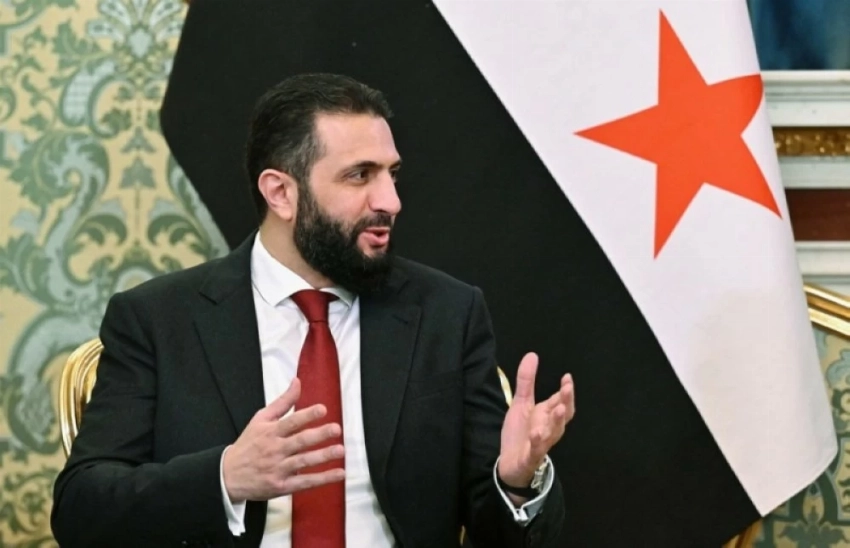
الرئيس أحمد الشرع
لا فرم جثث ولا سجن صيدنايا
سنة مرت على الولادة السورية من الخاصرة، ويأتي البعض ليقول ماذا تحقق وماذا أُنجز؟ الإجابة عن هذين السؤالين وغيرهما من الأسئلة المشابهة ليست بالصعبة، لا بل هو سؤال سهل لو طُرح في اختبارات جامعية لرقص الطلاب فرحاً به.
في هذه السنة السورية تحقق التالي:
- لم يعد هناك سجن صيدنايا أو تدمر أو معتقل فلسطين.
- لم تعد هناك سيارة «بيجو» تعتمدها الاستخبارات لاعتقال المدنيين.
- لم يعد هناك مكبس لفرم الجثث البشرية، وكأننا بتنا في عصر أسوأ من عصر محاكم التفتيش.
استعادة الهوية المفقودة
في هذه السنة بات السوري يتنقل مطمئناً آمناً لا يخشى الاعتقال ولا التوقيف، ولا يخشى «أضبارة» مخبر أو تأدية صلاة الفجر في المسجد القريب. بات السوري حراً قادراً على العيش والحلم والابتهاج، ليس مضطراً أن يخفي ثروته، وأن يدعي الفقر كي لا يقاسمه فيها رجل الأمن القادم من عصور ما قبل التاريخ.
في هذه السنة الأولى، لعل أهم ما تحقق أنّ سورية عادت إلى العرب وعاد العرب إلى سورية. وليس أي عرب بل عادت العروبة المفيدة إلى الشام، إلى المسجد الأموي، ومسجد خالد بن الوليد.
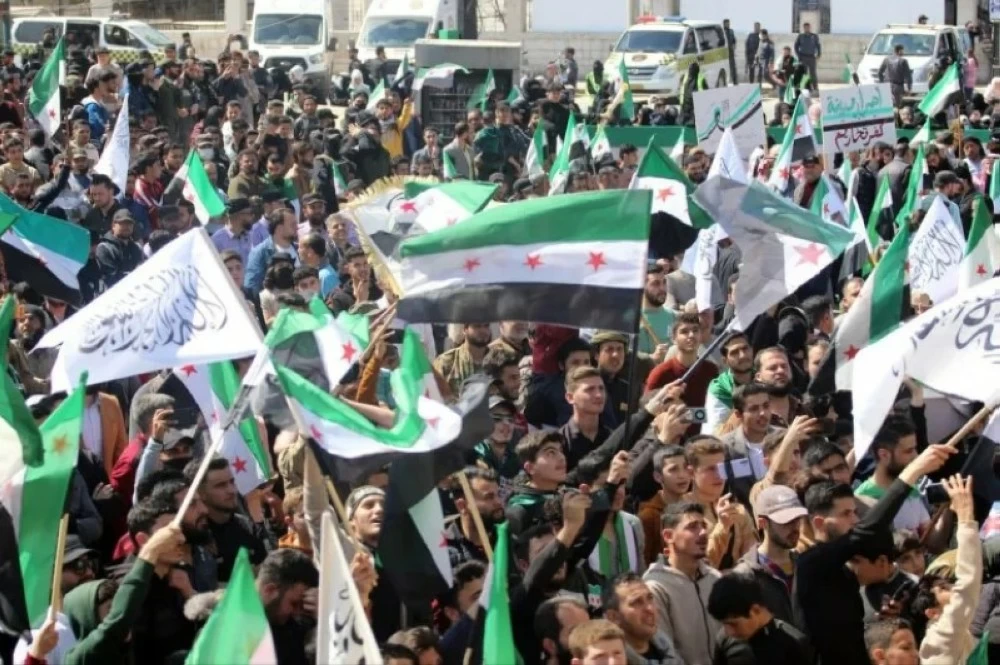
استعادت سورية هويتها العربية في هذا العام. فباتت قادرة على استقطاب الاستثمارات والتجارة المفيدة. بات اسمها أغنية وعلمها فرحاً بألوانه الخضراء منها والأبيض النقي كقلوب أبنائها. في هذا العام بات السوري قادراً أن يرفع رأسه وأن يقول أنا سوري أنتسب إلى وطنٍ جميل.
سورية أمانة عند العرب
سورية الجديدة حققت الكثير الكثير. لقد فعل أبناؤها من أحمد الشرع إلى آخر سوري في ريف إدلب ما يعجز عنه الكثيرون في هذا الوقت القصير.
سورية واعدة، فمن يكون عامه الأول رغم الولادة من الخاصرة كهذا العام، انتظروا منه أن يبلغ المستحيل ليس لأنه سوري فقط، بل لأنه عربي، وسورية أمانة عند العرب. هذا ما قاله رجل أعمال سعودي، نقلاً عن ولي العهد الأمير محمد بن سلمان، عندما احتشد رجال الأعمال السعوديون في دمشق وكأنهم جاؤوا تلبية لنداء النفير.
A year has passed since the fall of Bashar al-Assad's regime, and a year since the birth of the new Syria.
12 months, 365 days since the birth of a state that we can confidently call "birth from the flank," as Assad fled Damascus International Airport to Moscow, leaving behind a bankrupt state. Gold and hard currencies accompanied him to the plane, while a larger part preceded him to where he went.
A state where the number of missing persons among its children, those detained in prisons, and the innocent martyrs among civilians—women, children, and the elderly—almost equals the number of the remaining living, in cities where there is no longer shelter, like the Damascus neighborhood of Jobar, Khalidiya in Homs, Zabadani, and Madaya, where the smell of hunger still wafts from its hills and corners.
Assad left and did not leave in Syria anything but his pictures that fill the walls, buildings, and corners of the streets.
الرئيس أحمد الشرع
No more body shredders or Sednaya prison
A year has passed since the Syrian birth from the flank, and some come to ask what has been achieved and what has been accomplished? The answer to these two questions and others like them is not difficult; in fact, it is an easy question that, if posed in university exams, students would dance with joy over it.
In this Syrian year, the following was achieved:
- There is no longer Sednaya prison, or Palmyra, or Palestine detention center.
- There is no longer a "Peugeot" car used by intelligence to arrest civilians.
- There is no longer a shredder for human bodies, as if we have entered an era worse than the era of the Inquisition.
Restoring the lost identity
In this year, Syrians have been able to move about confidently and safely, fearing neither arrest nor detention, nor the "file" of an informant or performing the dawn prayer in the nearby mosque. Syrians have become free, able to live, dream, and rejoice, no longer forced to hide their wealth or pretend to be poor so that a security man from prehistoric times does not share in it.
In this first year, perhaps the most important achievement is that Syria has returned to the Arabs, and the Arabs have returned to Syria. And not just any Arabs, but useful Arabism has returned to the Levant, to the Umayyad Mosque and the Mosque of Khalid ibn al-Walid.
Syria has regained its Arab identity this year. It has become capable of attracting investments and beneficial trade. Its name has become a song, and its flag a joy with its green and pure white colors, like the hearts of its children. This year, a Syrian can raise his head and say, "I am Syrian; I belong to a beautiful homeland."
Syria is a trust among the Arabs
The new Syria has achieved a great deal. Its children, from Ahmad al-Shara to the last Syrian in rural Idlib, have done what many cannot achieve in such a short time.
Syria is promising; for a year that is its first despite being born from the flank like this year, expect it to achieve the impossible, not just because it is Syrian, but because it is Arab, and Syria is a trust among the Arabs. This is what a Saudi businessman said, quoting Crown Prince Mohammed bin Salman, when Saudi businessmen gathered in Damascus as if they had come in response to a call to arms.