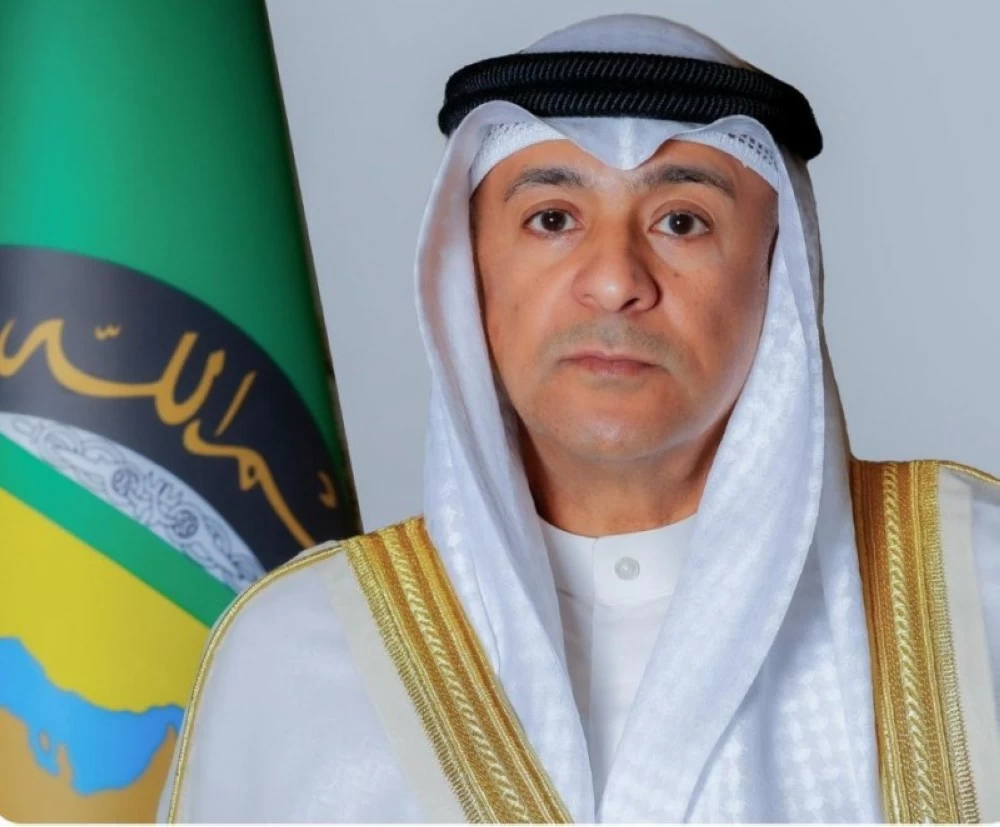
أعرب الأمين العام لمجلس التعاون لدول الخليج العربية جاسم محمد البديوي، عن استنكار دول مجلس التعاون وإدانتها للتصريحات الإعلامية الصادرة عن مسؤولين إيرانيين تجاه دول مجلس التعاون، التي تمس سيادة مملكة البحرين، وحقوق دولة الإمارات العربية المتحدة في جزرها الثلاث طنب الكبرى وطنب الصغرى وأبو موسى المحتلة من قبل إيران، وسيادة حقل الدرة النفطي العائدة ملكيته بالشراكة بين دولة الكويت والمملكة العربية السعودية.
وقال الأمين العام إن تلك التصريحات تضمنت مغالطات وادعاءات باطلة ومزاعم مرفوضة تتعارض مع مبادئ عدم التدخل في الشؤون الداخلية، وحسن الجوار الذي انتهكته إيران باعتدائها على سيادة واستقلال دولة قطر، إضافة إلى أنها تتعارض مع مساعي دول مجلس التعاون المستمرة لتعزيز العلاقات مع الجمهورية الإسلامية الإيرانية وتنميتها على المستويات كافة، مشدداً على أن دول مجلس التعاون دأبت على تأكيد أهمية الالتزام بالأسس والمبادئ المنصوص عليها في ميثاق الأمم المتحدة والقانون الدولي، بما في ذلك مبادئ حسن الجوار، واحترام سيادة الدول وعدم التدخل في الشؤون الداخلية، وحل الخلافات بالطرق السلمية، وتجنب استخدام القوة أو التهديد بها.
وأضاف الأمين العام، أن دول مجلس التعاون أبدت دائماً حسن نيتها تجاه إيران، وحرصها على أمن واستقرار إيران بما يحفظ مصالح الشعب الإيراني، ويجنب المنطقة تداعيات التوتر والتصعيد، وقد تم تأكيد هذا الالتزام خلال الاجتماعات المشتركة بين وزراء الخارجية في دول مجلس التعاون ووزير الخارجية الإيراني الدكتور عباس عراقجي، وكذلك على أهمية استمرار التواصل الثنائي بين دول المجلس والجمهورية الإسلامية الإيرانية لتعزيز المصالح المشتركة وحفظ الأمن والاستقرار الإقليمي.
وأكد التزام دول مجلس التعاون بالسلام والتعايش وانتهاج الحوار والحلول الدبلوماسية في العلاقات الدولية، وتدعو إيران إلى الكف عن نشر الادعاءات الباطلة التي من شأنها أن تؤدي إلى زعزعة الثقة وإعاقة التواصل والتفاهم، في وقت تحتاج دول المنطقة إلى التقارب والتعاون لحفظ مصالحها وتحقيق تطلعات شعوبها للأمن والاستقرار والنماء والازدهار.
The Secretary-General of the Gulf Cooperation Council, Jassim Mohammed Al-Budaiwi, expressed the Council's condemnation and denunciation of the media statements issued by Iranian officials regarding the Gulf Cooperation Council countries, which touch upon the sovereignty of the Kingdom of Bahrain and the rights of the United Arab Emirates over its three islands: Greater Tunb, Lesser Tunb, and Abu Musa, which are occupied by Iran, as well as the sovereignty over the Durra oil field, which is jointly owned by the State of Kuwait and the Kingdom of Saudi Arabia.
The Secretary-General stated that these statements included distortions, false claims, and unacceptable allegations that contradict the principles of non-interference in internal affairs and good neighborliness, which Iran has violated by its aggression against the sovereignty and independence of the State of Qatar. He added that these statements also contradict the ongoing efforts of the Gulf Cooperation Council countries to enhance and develop relations with the Islamic Republic of Iran at all levels, emphasizing that the Gulf Cooperation Council countries have consistently affirmed the importance of adhering to the foundations and principles outlined in the United Nations Charter and international law, including the principles of good neighborliness, respect for state sovereignty, non-interference in internal affairs, peaceful resolution of disputes, and avoidance of the use of force or threats.
The Secretary-General further added that the Gulf Cooperation Council countries have always shown goodwill towards Iran and their concern for Iran's security and stability in a manner that preserves the interests of the Iranian people and spares the region the repercussions of tension and escalation. This commitment was reaffirmed during the joint meetings between the foreign ministers of the Gulf Cooperation Council countries and Iranian Foreign Minister Dr. Abbas Araghchi, as well as the importance of continuing bilateral communication between the Council countries and the Islamic Republic of Iran to enhance common interests and maintain regional security and stability.
The Gulf Cooperation Council reaffirms its commitment to peace, coexistence, and the pursuit of dialogue and diplomatic solutions in international relations, and calls on Iran to cease spreading false claims that could undermine trust and hinder communication and understanding, at a time when the countries of the region need rapprochement and cooperation to safeguard their interests and achieve their peoples' aspirations for security, stability, growth, and prosperity.