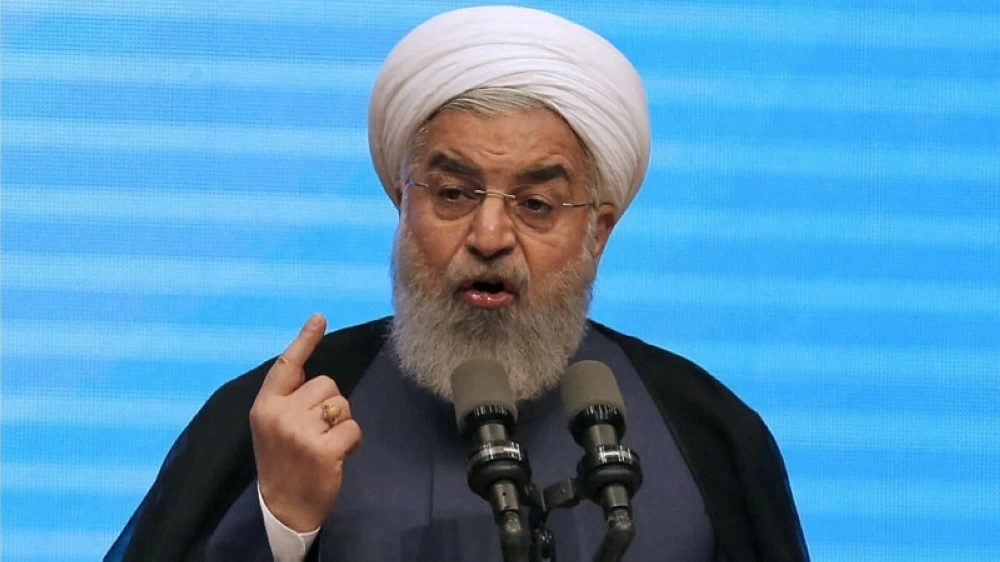
اعتبر الرئيس الإيراني السابق حسن روحاني، أن إيران عالقة في حالة «لا حرب ولا سلام» بعد نحو 5 أشهر على حرب الـ12 يوماً مع إسرائيل. وقال إن بلاده تحتاج إلى «فضاء آمن، لا فضاء أمني»، وإن تعزيز الردع يمر عبر جذب النخب وإزالة الأجواء الأمنية.
«الأمننة» تزيل الثقة
ونقل موقع روحاني الرسمي خلال لقائه مع أعضاء حكومته السابقة، قوله إن «الأمن مطلوب، لكن تحويل المجتمع إلى مجتمع أمني يضر بالثقة العامة». وأضاف أن الأمن يخلق الثقة والطمأنينة، لكن الأمننة تزيل الثقة، وتثير قلق الناس. نحن لا نريد فضاءً أمنياً، بل فضاءً آمناً.
ولفت إلى أنه رغم مرور 5 أشهر على حرب الـ12 يوماً لم نشهد حتى الآن اتخاذ خطوات ملموسة لمعالجة وضع «لا حرب ولا سلم»، رغم تأكيد المرشد علي خامنئي ضرورة التحرك في هذا الإطار.
غياب الشعور بالأمن
وأفاد روحاني بأن الشعور بالأمن غير متوفر بين المواطنين، لافتاً إلى أن مسألة وجود الأمن من عدمه تبقى قضية أخرى، إلا أن غياب الإحساس بالأمان ينعكس سلباً على مختلف القطاعات. وأكد أن الحديث عن تحقيق نمو اقتصادي، أو خفض معدلات التضخم، أو جذب الاستثمارات، يفقد معناه عندما لا يشعر الناس بالأمن.
وقال إن حالة انعدام الأمن النفسي والمجتمعي والفكري والذهني باتت حاضرة بقوة في المجتمع الإيراني، مشدداً على أن الردع يشكل أساس الأمن القومي في جميع الدول. وأشار إلى أن الهدف «يجب أن يكون منع العدو من بدء أي هجوم، وفي حال وقوعه، بامتلاك قدرة دفاعية فعالة تمكن من تقليص الخسائر وإنهاء الحرب في أقصر وقت ممكن».
تطوير القدرات الاستخباراتية
واعتبر الرئيس السابق أن الهجمات الإسرائيلية والأمريكية الأخيرة فشلت في تحقيق أهدافها الأساسية، مشدداً على أن العدو لم يتمكن من إرباك المنظومة الدفاعية بفضل إعادة التنظيم السريعة في الساعات الأولى.
ولفت إلى أن البلاد بحاجة إلى تعزيز الردع في مختلف المجالات، لذلك، «يجب ترميم وتعزيز قدراتنا الردعية، حتى نتمكن سريعاً من إعادة الردع الحقيقي في مواجهة مؤامرات العدو».
وأوضح أن تعزيز الردع يتطلب تطوير القدرات الاستخباراتية، والتعاون مع أجهزة الدول الأخرى، إلى جانب دعم شعبي لهذه الأجهزة. وأضاف أن جذب النخب الإيرانية حول العالم، وتعزيز قدرات تكنولوجيا المعلومات، يتطلبان إنهاء الأجواء الأمنية.
افتقار الردع الإقليمي
وقال روحاني إن إيران تفتقر اليوم إلى «الردع الإقليمي الواسع»، مؤكداً أن غياب هذا الردع يعرض الأمن الإيراني لمخاطر أكبر. وأضاف أن بناء منطقة قوية وآمنة، تربط دولها علاقات متينة مع طهران، وتتشاطر المصالح والمخاطر، يعد شرطاً أساسياً لتعزيز الردع في مواجهة التهديدات.
ورأى أن الردع السياسي يشكل في العديد من الأحيان، خط الدفاع الأول لدرء الحروب قبل وقوعها، مشيراً إلى أن بناء شبكة قوية من العلاقات الإقليمية والدولية يمنح طهران قدرة على تحييد التهديدات، وتأجيلها عبر الدبلوماسية، وليس فقط عبر الوسائل العسكرية.
وأوضح أن التجارب السابقة أثبتت أن التحرك السياسي المكثّف يمكن أن يمنع انزلاق الأزمات إلى مواجهة عسكرية، لافتاً إلى أن الدبلوماسية الفاعلة جزء لا يتجزأ من منظومة الردع الشاملة التي تحتاج إليها إيران في علاقتها مع القوى الدولية.
The former Iranian president Hassan Rouhani considered that Iran is stuck in a state of "neither war nor peace" nearly 5 months after the 12-day war with Israel. He stated that his country needs a "safe space, not a security space," and that strengthening deterrence involves attracting elites and removing security atmospheres.
"Security-ization" undermines trust
Rouhani's official website reported during his meeting with members of his previous government that he said, "Security is necessary, but turning society into a security society harms public trust." He added that security creates trust and reassurance, but security-ization removes trust and raises people's anxiety. We do not want a security space, but a safe space.
He pointed out that despite the passage of 5 months since the 12-day war, we have not yet witnessed concrete steps to address the "neither war nor peace" situation, despite Supreme Leader Ali Khamenei's emphasis on the need to move in this framework.
Lack of a sense of security
Rouhani stated that the sense of security is not available among citizens, noting that the issue of whether security exists or not remains another matter, but the absence of a sense of safety negatively impacts various sectors. He emphasized that discussions about achieving economic growth, reducing inflation rates, or attracting investments lose their meaning when people do not feel secure.
He said that the state of psychological, societal, intellectual, and mental insecurity has become strongly present in Iranian society, stressing that deterrence forms the basis of national security in all countries. He pointed out that the goal "must be to prevent the enemy from launching any attack, and in the event of an attack, to possess effective defensive capabilities that can minimize losses and end the war as quickly as possible."
Developing intelligence capabilities
The former president considered that the recent Israeli and American attacks failed to achieve their primary objectives, emphasizing that the enemy was unable to disrupt the defensive system thanks to rapid reorganization in the early hours.
He noted that the country needs to strengthen deterrence in various fields, therefore, "we must repair and enhance our deterrent capabilities so that we can quickly restore real deterrence in the face of the enemy's conspiracies."
He explained that strengthening deterrence requires developing intelligence capabilities, cooperating with the agencies of other countries, along with popular support for these agencies. He added that attracting Iranian elites around the world and enhancing information technology capabilities require ending security atmospheres.
Lack of regional deterrence
Rouhani stated that Iran currently lacks "broad regional deterrence," emphasizing that the absence of this deterrence exposes Iranian security to greater risks. He added that building a strong and secure region, where its countries have solid relations with Tehran and share interests and risks, is a fundamental condition for enhancing deterrence against threats.
He viewed that political deterrence often serves as the first line of defense to avert wars before they occur, pointing out that building a strong network of regional and international relations gives Tehran the ability to neutralize threats and postpone them through diplomacy, not just through military means.
He clarified that previous experiences have proven that intensive political action can prevent crises from slipping into military confrontations, noting that effective diplomacy is an integral part of the comprehensive deterrence system that Iran needs in its relations with international powers.