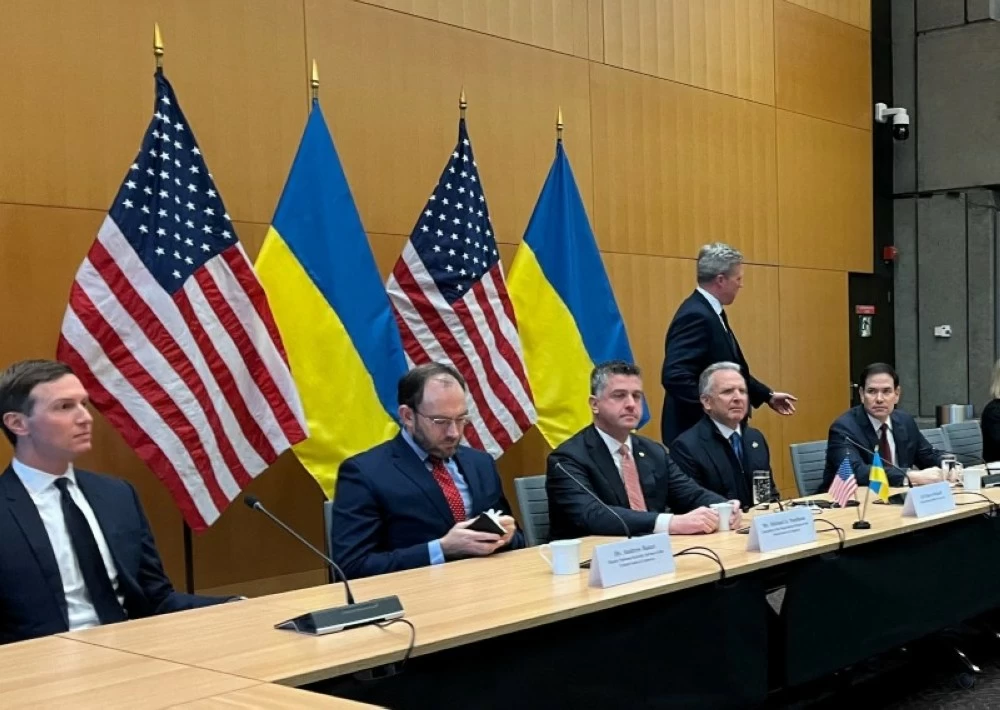
تواصل واشنطن وكييف العمل على «خطة السلام» الرامية لإنهاء الحرب الروسية الأوكرانية، اليوم (الإثنين)، في جنيف، بعد الاتفاق على تعديل مقترح سابق كان يُنظر إليه على نطاق واسع، على أنه يميل كثيراً لصالح موسكو، فيما عبر مسؤولون أوروبيون عن ترحيبهم بالتعديلات في الخطة الأمريكية، مؤكدين أن ما حدث يعد نجاحاً حاسماً.
إطار سلام منقّح
وأعلنت الولايات المتحدة وأوكرانيا في بيان مشترك، بعد اليوم الأول من محادثات جنيف، إعداد «إطار سلام منقّح»، دون تقديم تفاصيل.
وأفاد البيت الأبيض بشكل منفصل، بأن الوفد الأوكراني أبلغه بأن الخطة «تعكس مصالحهم الوطنية»، و«تراعي متطلباتهم الاستراتيجية الأساسية»، رغم أن كييف لم تُصدر بياناً خاصاً بها.
وقالت الولايات المتحدة وأوكرانيا في بيانهما، إنهما ستواصلان عملاً مكثفاً قبل مهلة الخميس، التي حددها الرئيس دونالد ترمب لإقرار الخطة قبل التفاوض بشأنها مع موسكو، على الرغم من مغادرة وزير الخارجية الأمريكي، الذي ترأس وفد بلاده في محادثات اليوم الأول، إلى واشنطن، مساء الأحد.
نجاح حاسم للأوربيين
واعتبر وزير الخارجية الألماني يوهان فاديفول، أن محادثات جنيف «حققت نجاحاً حاسماً للأوروبيين»، مضيفاً: «لقد تم حذف جميع القضايا المتعلقة بأوروبا من هذه الخطة، بما في ذلك ما تعلق بحلف الناتو، وهذا نجاح حاسم حققناه». وقال: «كان واضحاً منذ البداية، كما قلنا مراراً، أنه لا يجب التوصل إلى أي اتفاق دون موافقة الأوروبيين والأوكرانيين».
ورحّب الرئيس الفنلندي، ألكسندر ستاب، بالتقدم المحرز في اجتماعات جنيف. ووصف ما حدث بأنه «خطوة إلى الأمام»، لكنه شدّد على أنه «لا تزال هناك قضايا رئيسية لم تُحل بعد».
وتحدث وزير الخارجية الأمريكي ماركو روبيو، عن إحراز «تقدّم هائل»، واصفاً اليوم الأول من المحادثات في جنيف، بأنه «من أكثر الأيام إنتاجية» في مسار المفاوضات حتى الآن.
وعبر عن تفاؤل كبير بالتوصل إلى اتفاق في فترة معقولة، لافتاً إلى استمرار المحادثات لحلّ عدد من القضايا العالقة. وأفاد بأن الصيغة النهائية للاتفاق ستحتاج توقيع رئيسي الولايات المتحدة وأوكرانيا، قبل أن تُرسل إلى موسكو.
28 بنداً في خطة واشنطن
وكان المقترح الأولي المؤلف من 28 نقطة، الذي طرحته الولايات المتحدة الأسبوع الماضي، يدعو أوكرانيا إلى التنازل عن أراضٍ، والقبول بفرض قيود على جيشها، والتخلي عن طموحاتها في الانضمام إلى الناتو.
ووصف الكثير من الأوكرانيين هذه الشروط بمثابة استسلام بعد ما يقرب من أربع سنوات من القتال.
وقال الحلفاء الأوروبيون، إنهم لم يُستشاروا في صياغة الخطة الأولى، وأصدروا مقترحاً مضاداً، الأحد، يتضمن تخفيف بعض التنازلات الإقليمية المقترحة، إضافة إلى تضمين «ضمان أمني» من الولايات المتحدة على غرار ضمانات الناتو، في حال تعرضت أوكرانيا لهجوم مستقبلي.
رؤيتان سياسيتان متباينتان
تكشف الخطة الأمريكية، والمقترح الأوروبي لإنهاء الحرب في أوكرانيا، رؤيتين سياسيّتين متباينتين، الأولى تطرح ترتيبات واسعة تشمل تنازلات إقليمية، فيما تمنح الثانية أوكرانيا ضمانات أمنية قوية، وترفض أي قيود على قدراتها العسكرية.
وتعرضت الخطة الأمريكية لانتقادات واسعة باعتبارها «متساهلة جداً مع موسكو»، إذ تنص على التنازل عن مساحات واسعة من الأراضي لصالح روسيا، وتقليص حجم الجيش الأوكراني، ومنع قوات حلف الناتو من التواجد على الأراضي الأوكرانية.
وفي المقابل، تدعم الخطة الأوروبية أوكرانيا بشكل أكبر، إذ تنص على أن «المفاوضات بشأن تبادل الأراضي ستبدأ من خط التماس»، بدلاً من التحديد المسبق بضرورة الاعتراف بمناطق معينة «بحكم الأمر الواقع»، حسبما تقترح الخطة الأمريكية.
واقترحت الخطة الأوروبية، التي طُرحت في جنيف، أن يكون الحد الأقصى للقوات المسلحة الأوكرانية 800 ألف جندي «في وقت السلم» بدلاً من الحد الأقصى الشامل البالغ 600 ألف الذي اقترحته الخطة الأمريكية.
وتمثلت أبرز المقترحات الأوروبية في محادثات جنيف بشأن خطة إنهاء الحرب في: تقديم ضمانات أمنية أمريكية لأوكرانيا شبيهة بالبند الخامس من «ميثاق الناتو»، استخدام الأصول الروسية المجمدة في إعادة إعمار أوكرانيا، وتعويض الخسائر التي سببها الصراع، ورفض مطالب موسكو بشأن تنازل أوكرانيا عن الأراضي غير المحتلة في الشرق.
Washington and Kyiv continue to work on the "peace plan" aimed at ending the Russian-Ukrainian war today (Monday) in Geneva, after agreeing to amend a previous proposal that was widely seen as heavily favoring Moscow. European officials expressed their welcome for the modifications in the American plan, affirming that what has occurred is a critical success.
Revised Peace Framework
The United States and Ukraine announced in a joint statement, after the first day of talks in Geneva, the preparation of a "revised peace framework," without providing details.
The White House separately reported that the Ukrainian delegation informed it that the plan "reflects their national interests" and "takes into account their core strategic requirements," although Kyiv did not issue a separate statement.
The United States and Ukraine stated in their announcement that they would continue intensive work before the Thursday deadline set by President Donald Trump to finalize the plan before negotiating it with Moscow, despite the departure of the U.S. Secretary of State, who led his country's delegation in the first day's talks, to Washington on Sunday evening.
Critical Success for Europeans
German Foreign Minister Johann Vadivol considered the Geneva talks to have "achieved a critical success for Europeans," adding: "All issues related to Europe have been removed from this plan, including those concerning NATO, and this is a critical success we have achieved." He said: "It was clear from the beginning, as we have repeatedly stated, that no agreement should be reached without the approval of Europeans and Ukrainians."
Finnish President Alexander Stubb welcomed the progress made in the Geneva meetings. He described what happened as "a step forward," but emphasized that "there are still key issues that have not yet been resolved."
U.S. Secretary of State Marco Rubio spoke of "tremendous progress," describing the first day of talks in Geneva as "one of the most productive days" in the negotiation process so far.
He expressed great optimism about reaching an agreement in a reasonable timeframe, noting that discussions would continue to resolve several outstanding issues. He stated that the final agreement would require the signatures of the Presidents of the United States and Ukraine before being sent to Moscow.
28 Points in Washington's Plan
The initial proposal consisting of 28 points, which the United States presented last week, called for Ukraine to concede territory, accept restrictions on its military, and abandon its aspirations to join NATO.
Many Ukrainians described these conditions as tantamount to surrender after nearly four years of fighting.
European allies stated that they were not consulted in drafting the initial plan and issued a counter-proposal on Sunday that included easing some of the proposed territorial concessions, as well as incorporating "security guarantees" from the United States similar to NATO guarantees in the event of a future attack on Ukraine.
Divergent Political Visions
The American plan and the European proposal to end the war in Ukraine reveal two divergent political visions: the first proposes broad arrangements that include territorial concessions, while the second offers Ukraine strong security guarantees and rejects any restrictions on its military capabilities.
The American plan has faced widespread criticism for being "too lenient with Moscow," as it stipulates the concession of vast areas of territory to Russia, reducing the size of the Ukrainian army, and preventing NATO forces from being present on Ukrainian territory.
In contrast, the European plan supports Ukraine more robustly, stating that "negotiations regarding land exchanges will start from the line of contact," rather than the prior stipulation that certain areas must be recognized "de facto," as suggested by the American plan.
The European plan proposed in Geneva suggested that the maximum size of the Ukrainian armed forces should be 800,000 soldiers "in peacetime," instead of the comprehensive maximum of 600,000 proposed by the American plan.
The main European proposals in the Geneva talks regarding the war-ending plan included providing American security guarantees to Ukraine similar to Article Five of the "NATO Charter," using frozen Russian assets for the reconstruction of Ukraine, compensating for losses caused by the conflict, and rejecting Moscow's demands for Ukraine to concede unoccupied territories in the east.