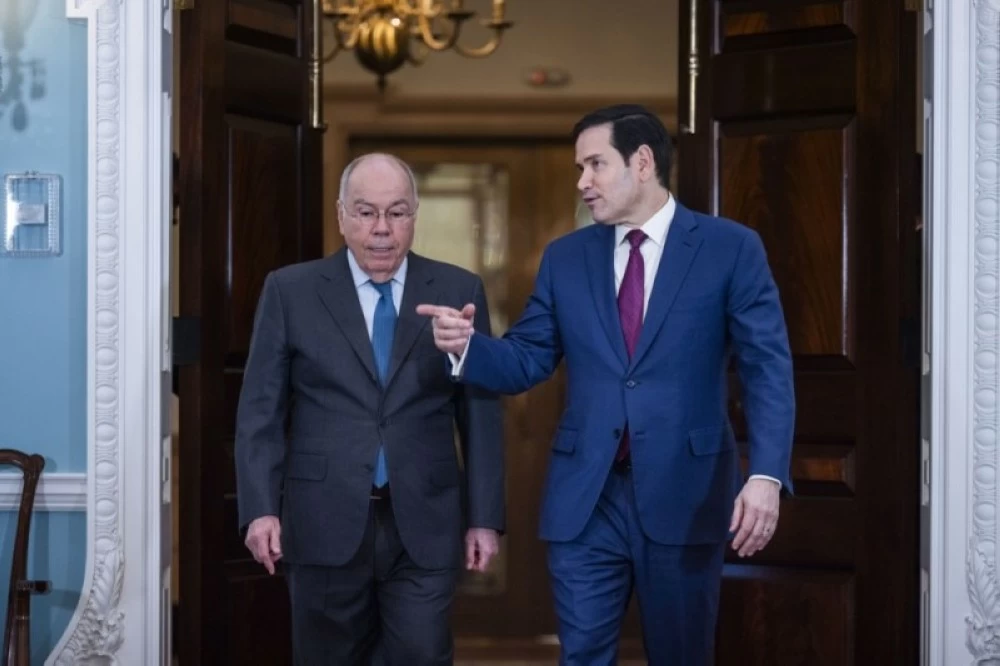
نفى وزير الخارجية الأمريكي ماركو روبيو ما أعلنه السيناتور الجمهوري مايك راوندز، بأنه أبلغه هاتفياً بأن خطة السلام الخاصة بأوكرانيا والمكونة من 28 بنداً، ليست اقتراحاً أمريكياً رسمياً، بل وثيقة استلمت من الجانب الروسي وتم تسريبها.
الخطة صياغة أمريكية
وفي تغريدة على منصة إكس، أكد روبيو أن «الاقتراح صاغته الولايات المتحدة، ويُقدم كإطار قوي للمفاوضات المستمرة، ويستند إلى معطيات من الجانب الروسي، ولكنه أيضاً يستند إلى مقترحات سابقة ومستمرة من أوكرانيا».
من جانبها، نفت وزارة الخارجية الأمريكية في بيان رسمي أن تكون الخطة روسية. ووصف المتحدث باسمها الرواية المنسوبة إلى روبيو بأنها «كاذبة بشكل صارخ»، وأكد أن الولايات المتحدة هي من صاغتها كأساس للتفاوض، مع مراعاة آراء الطرفين.
وكان الرئيس الأمريكي دونالد ترمب، قال في تصريحات صحفية إن الخطة ليست عرضاً نهائياً، محذراً أوكرانيا من رفضها، قائلاً إنها قد تواصل القتال بمفردها إذا رفضت السياق العام للخطة والجدل.
قائمة أمنيات روسية
وكان السيناتور راوندز قال خلال مؤتمر أمني دولي في هاليفاكس بكندا: «اتصل بنا روبيو بعد الظهر، وأكد أننا تلقينا اقتراحاً سُلم لأحد ممثلينا. هذا ليس توصيتنا أو خطتنا للسلام، بل هو اقتراح استلمناه، ورتبنا لمشاركته كوسيط. لم ننشر الخطة، بل سُربت... إنها فرصة لاستقبال وجهة نظر طرف وإتاحة الفرصة للطرف الآخر للرد».
فيما أفاد السيناتور المستقل أنغوس كينغ من ولاية مين بأن روبيو وصف الخطة بأنها «قائمة أمنيات روسية»، وأضاف أنها «تبدو وكأنها كُتبت بالروسية أصلاً»، وفقاً لصحيفة «نيويورك بوست» وشبكة NBC الأمريكيتين.
بين الرفض والقبول
شارك في صياغة الخطة مبعوثون أمريكيون مثل ستيف ويتكوف وجاريد كوشنر، ومسؤول روسي مثل كيريل دميترييف. وتتضمن الخطة تنازلات كبيرة من أوكرانيا، مثل التنازل عن أراضٍ في دونباس وغيرها، وحظر الانضمام إلى الناتو، وتقليص الجيش الأوكراني، ودفع روسيا تعويضات قدرها 100 مليار دولار لإعادة الإعمار تديرها الولايات المتحدة جزئياً.
ورحب الرئيس الروسي فلاديمير بوتين بالخطة كأساس للتسوية، معتبراً إياها «منصفة». فيما رفض الرئيس الأوكراني فولوديمير زيلينسكي الخطة جزئياً، ووصفها بأنها «تخون الشعب الأوكراني» و«تكافئ الغزو»، لكنه أبدى استعداداً للحوار.
وأثارت الخطة غضباً واسعاً في أوروبا، ووصف قادة دفاعيون أوروبيون في منتدى هاليفاكس الخطة بأنها لحظة فوضوية في السياسة الأمريكية، وعبروا عن مخاوفهم أن تؤدي إلى تقويض الأمن الأوروبي وتشجيع روسيا على المزيد من التوسع.
The U.S. Secretary of State Marco Rubio denied what Republican Senator Mike Rounds announced, that he had informed him by phone that the 28-point peace plan for Ukraine is not an official U.S. proposal, but rather a document received from the Russian side that was leaked.
The plan is an American formulation
In a tweet on X platform, Rubio confirmed that "the proposal was drafted by the United States, presented as a strong framework for ongoing negotiations, based on data from the Russian side, but it also relies on previous and ongoing proposals from Ukraine."
For its part, the U.S. State Department denied in an official statement that the plan is Russian. Its spokesperson described the narrative attributed to Rubio as "blatantly false," and emphasized that the United States is the one that drafted it as a basis for negotiation, considering the views of both parties.
U.S. President Donald Trump stated in press remarks that the plan is not a final offer, warning Ukraine against rejecting it, saying it could continue fighting alone if it rejects the overall context of the plan and the debate.
A Russian wishlist
Senator Rounds said during an international security conference in Halifax, Canada: "Rubio called us in the afternoon and confirmed that we received a proposal delivered to one of our representatives. This is not our recommendation or peace plan, but a proposal we received, and we arranged to share it as a mediator. We did not publish the plan; it was leaked... It is an opportunity to receive one party's perspective and allow the other party to respond."
Meanwhile, independent Senator Angus King from Maine reported that Rubio described the plan as a "Russian wishlist," adding that it "looks like it was originally written in Russian," according to the New York Post and NBC News.
Between rejection and acceptance
The plan was drafted by American envoys such as Steve Witkoff and Jared Kushner, along with a Russian official like Kirill Dmitriev. The plan includes significant concessions from Ukraine, such as ceding territories in Donbas and elsewhere, a ban on joining NATO, reducing the Ukrainian army, and requiring Russia to pay $100 billion in reparations for reconstruction managed partially by the United States.
Russian President Vladimir Putin welcomed the plan as a basis for settlement, considering it "fair." Meanwhile, Ukrainian President Volodymyr Zelensky partially rejected the plan, describing it as "betraying the Ukrainian people" and "rewarding the invasion," but expressed a willingness to engage in dialogue.
The plan sparked widespread anger in Europe, with European defense leaders at the Halifax Forum describing it as a chaotic moment in American politics, expressing concerns that it could undermine European security and encourage further Russian expansion.