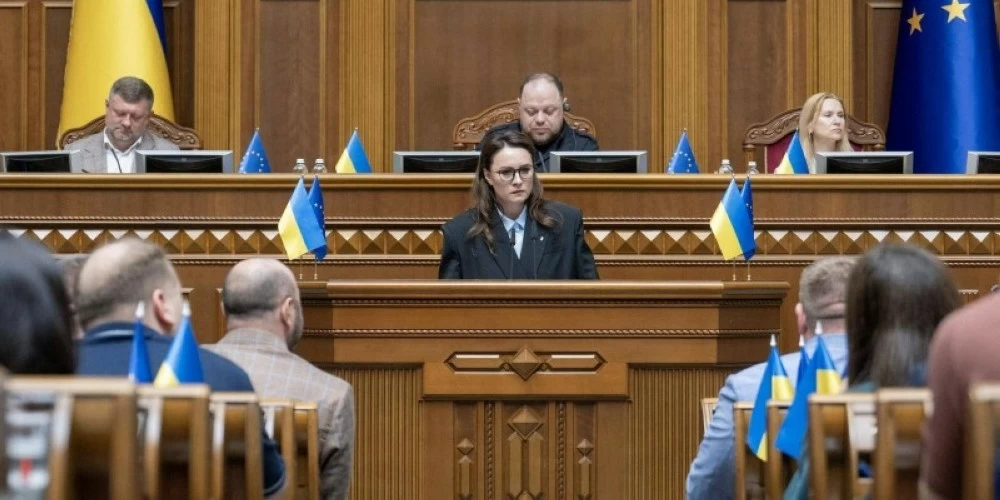
شهد البرلمان الأوكراني، اليوم (الأربعاء)، تصويتًا لإقالة وزيري الطاقة والعدل، في خطوة أنهت أكبر أزمة سياسية حربية يواجهها البلاد منذ الغزو الروسي، جراء تحقيق فساد ضخم في قطاع الطاقة يتعلق بمخطط مزعوم للتحكم في عقود الشراء بقيمة 100 مليون دولار أمريكي في الوكالة النووية الحكومية «إنيرغوآتوم».
قضية فساد في الحكومة الأوكرانية
التحقيق، الذي أجراه مكتب مكافحة الفساد الوطني (NABU) على مدى 15 شهرًا، أثار غضبًا شعبيًا واسعًا ضد قيادة أوكرانيا، التي تكافح لصد الهجمات الروسية المتصاعدة على البنية التحتية الطاقوية، مما أدى إلى انقطاعات كهربائية متكررة قبل الشتاء القارس.
وشمل التحقيق، الذي استند إلى 1000 ساعة من التسجيلات الهاتفية و70 مداهمة، إيقاف خمسة مشتبه بهم وتحديد سبعة آخرين، بما في ذلك شريك أعمال سابق للرئيس فولوديمير زيلينسكي، الذي يُعتقد أنه العقل المدبر، والذي فر إلى الخارج الأسبوع الماضي.
كان الوزير الحالي للطاقة سفيتلانا هرينتشوك، والوزير السابق للطاقة (من 2021 إلى 2025) غيرمان غالوشينكو، الذي يشغل حاليًا منصب وزير العدل، قد قدما استقالتهما سابقًا تحت ضغط من الرئيس زيلينسكي، الذي وصف الأمر بأنه «مسألة ثقة» ودعا الجميع إلى التعاون مع التحقيق.
تهديد زيلينسكي ونفي الوزيرين
وأكد زيلينسكي في بيان فيديو عبر تيليغرام أن وجود أي مخططات غير قانونية في قطاع الطاقة «غير مقبول تمامًا»، مشددًا على أنه سيوقع مرسومًا لفرض عقوبات على اثنين من المشتبه بهم.
فيما ينفي الوزيران أي تورط في الفضيحة، التي تشمل رشاوى تصل إلى 10-15% من قيمة العقود لضمان عدم التأخير في الدفعات أو فقدانها، بالإضافة إلى تورط جهات أخرى في الوكالات الحكومية.
صدمة في كييف
وأدى الخبر إلى صدمة في الأوساط السياسية بكييف، حيث دعت القوى المعارضة إلى إجراءات أشد، بما في ذلك إعادة هيكلة كاملة للحكومة وإقالة رئيس ديوان الرئيس القوي، وسط مخاوف من تأثر الدعم الأوروبي والدولي بسبب الفساد، خاصة مع رفض بعض المانحين تقديم معدات طاقوية.
وأشارت السلطات المضادة للفساد إلى أن التحقيق يمتد إلى جهات حكومية أخرى، مما يجعل هذه الأزمة واحدة من أخطر التحديات لزيلينسكي منذ بدء الغزو الروسي، حيث يحاول الحفاظ على الوحدة الوطنية أمام الضغوط الخارجية والداخلية.
وفي سياق متصل، أقر الرئيس سابقًا مشروع قانون مثير للجدل يضعف صلاحيات مكتب مكافحة الفساد، مما أثار احتجاجات أولى ضد حكومته في يوليو الماضي.
The Ukrainian parliament witnessed a vote today (Wednesday) to dismiss the ministers of energy and justice, in a move that ended the largest wartime political crisis the country has faced since the Russian invasion, due to a massive corruption investigation in the energy sector related to an alleged scheme to control $100 million contracts at the state nuclear agency "Energoatom."
Corruption Case in the Ukrainian Government
The investigation, conducted by the National Anti-Corruption Bureau (NABU) over 15 months, sparked widespread public outrage against Ukraine's leadership, which is struggling to fend off escalating Russian attacks on energy infrastructure, leading to repeated power outages ahead of the harsh winter.
The investigation, which was based on 1,000 hours of phone recordings and 70 raids, resulted in the detention of five suspects and the identification of seven others, including a former business partner of President Volodymyr Zelensky, who is believed to be the mastermind and fled abroad last week.
The current energy minister, Svitlana Hrynevych, and the former energy minister (from 2021 to 2025), Herman Halushchenko, who currently serves as the minister of justice, had previously resigned under pressure from President Zelensky, who described the matter as a "matter of trust" and called on everyone to cooperate with the investigation.
Zelensky's Threat and the Ministers' Denials
Zelensky confirmed in a video statement via Telegram that the existence of any illegal schemes in the energy sector is "completely unacceptable," emphasizing that he would sign a decree to impose sanctions on two of the suspects.
While the ministers deny any involvement in the scandal, which includes bribes of 10-15% of the contract value to ensure timely payments or prevent losses, as well as the involvement of other entities in government agencies.
Shock in Kyiv
The news caused shock in political circles in Kyiv, where opposition forces called for stricter measures, including a complete restructuring of the government and the dismissal of the powerful head of the president's office, amid fears that European and international support could be affected due to corruption, especially with some donors refusing to provide energy equipment.
Anti-corruption authorities indicated that the investigation extends to other government entities, making this crisis one of the most serious challenges for Zelensky since the start of the Russian invasion, as he tries to maintain national unity amid external and internal pressures.
In a related context, the president had previously approved a controversial bill that weakens the powers of the anti-corruption office, which sparked initial protests against his government last July.