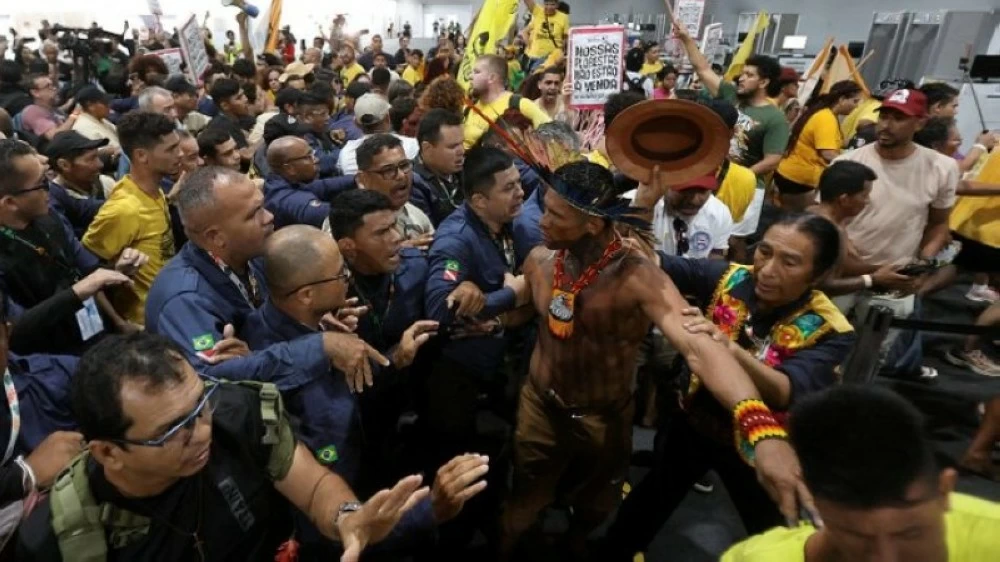
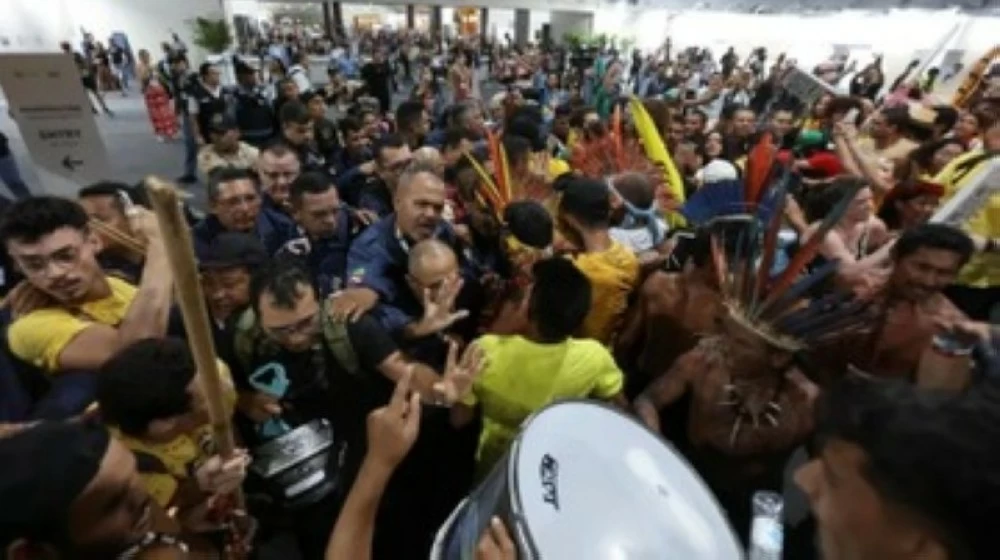
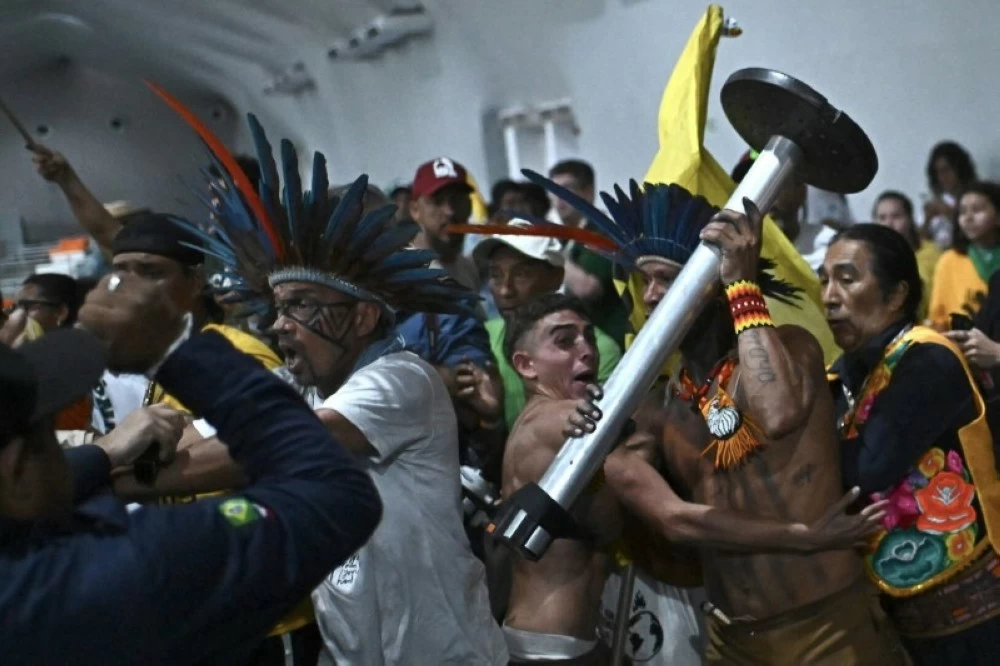
اقتحم عشرات المتظاهرين من السكان الأصليين، ينتمون إلى قبائل الأمازون مثل الكايابو والموندوروكو، ساحة مؤتمر المناخ كوب 30 في مدينة بيليم البرازيلية صباح اليوم (الأربعاء)، ما أدى إلى توقف مؤقت لأعمال الجلسات الرئيسية.
وجاء الاقتحام احتجاجًا على ما وصفوه بـ«الإهمال الدولي» لحقوقهم في أراضي الغابات المطيرة، وسط اتهامات للحكومات بتجاهل تأثير مشاريع التعدين والزراعة على بيئتهم.
وبدأت الاحتجاجات سلمية خارج مركز المؤتمرات، حيث رفع المتظاهرون لافتات مكتوب عليها «الأمازون ليست للبيع»، و«حقوقنا أولاً قبل المناخ»، مرتدين أزياء تقليدية ومرسومين بألوان الوجه التقليدية، إلا أن التوتر تصاعد عندما حاولت مجموعة من نحو 50 متظاهرًا اختراق الحواجز الأمنية، مما دفع قوات الأمن إلى استخدام الغاز المسيل للدموع والهراوات لتفريقهم.
وتأتي الاحتجاجات وسط توترات متصاعدة بين الحكومة البرازيلية والمجتمعات الأصلية بشأن التعدين غير الشرعي، إزالة الغابات، وتأثير التغير المناخي على أراضيهم التقليدية.
وأفاد متحدث رسمي باسم مؤتمر الأمم المتحدة المعني بتغير المناخ (كوب 30) في بيان صحفي: «تسبب المتظاهرون في إصابات طفيفة لاثنين من أفراد الأمن، بالإضافة إلى أضرار طفيفة بالموقع تشمل كسر بعض اللافتات والحواجز المؤقتة، تم احتواء الوضع بسرعة، ولم يتأثر جدول المؤتمر الرئيسي بشكل كبير».
من جانبهم، أكد قادة المتظاهرين، مثل الزعيمة الأصلية سونيا غواجاجارا، أن الاقتحام كان «نداء يائسًا» للفت الانتباه إلى تدمير أكثر من 20% من غابات الأمازون منذ عقود، مشيرين إلى أن المؤتمر يركز على الوعود دون إجراءات ملموسة لحماية شعوبهم.
وأضافوا أن الإصابات كانت نتيجة «عنف الشرطة»، مطالبين بجلسة طارئة مع الرئيس البرازيلي لويس إيناسيو لولا دا سيلفا، الذي يحضر المؤتمر، وأعادت السلطات فتح الساحة بعد ساعة واحدة، وسط انتشار أمني مكثف.
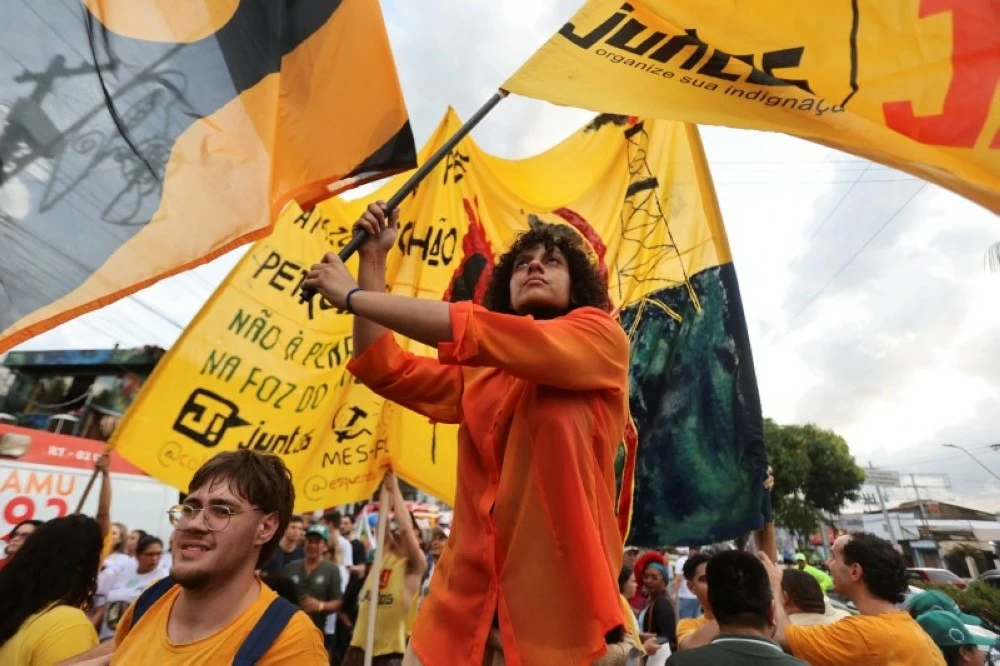
يأتي الحادث وسط مخاوف من تصعيد احتجاجات أخرى، خصوصا مع مشاركة آلاف النشطاء البيئيين في المدينة، وأعلنت الأمم المتحدة تشكيل لجنة حوار مع ممثلي السكان الأصليين لتهدئة الأوضاع.
يُذكر أن كوب 30 يهدف إلى التوصل إلى اتفاقيات جديدة لخفض الانبعاثات بنسبة 45% بحلول 2030، مع تخصيص مليارات الدولارات لدعم الدول النامية، بما في ذلك البرازيل التي تواجه انتقادات دولية بسبب إزالة الغابات.
ويُعد مؤتمر الأمم المتحدة لتغير المناخ (كوب 30) الذي انطلق يوم الإثنين 10 نوفمبر 2025 في مدينة بيليم البرازيلية، أحد أبرز الفعاليات الدولية لمناقشة قضايا الاحتباس الحراري، حماية الغابات المطيرة، ودعم الشعوب الأصلية.
ويشارك فيه قادة دول، خبراء بيئيون، وممثلو منظمات غير حكومية، مع التركيز هذا العام على دور السكان الأصليين في حفظ الأمازون، الذي يُعتبر «رئة الأرض».
Dozens of demonstrators from indigenous communities, belonging to Amazon tribes such as the Kayapo and Munduruku, stormed the COP 30 climate conference venue in the Brazilian city of Belém this morning (Wednesday), temporarily halting the main session activities.
The incursion was a protest against what they described as "international neglect" of their rights to rainforest lands, amid accusations against governments of ignoring the impact of mining and agricultural projects on their environment.
The protests began peacefully outside the conference center, where demonstrators held signs reading "The Amazon is not for sale" and "Our rights first before climate," dressed in traditional attire and painted with traditional face colors. However, tensions escalated when a group of about 50 protesters attempted to breach security barriers, prompting security forces to use tear gas and batons to disperse them.
The protests come amid rising tensions between the Brazilian government and indigenous communities over illegal mining, deforestation, and the impact of climate change on their traditional lands.
A spokesperson for the United Nations Climate Change Conference (COP 30) stated in a press release: "The demonstrators caused minor injuries to two security personnel, as well as minor damage to the site, including the breaking of some signs and temporary barriers. The situation was quickly contained, and the main conference schedule was not significantly affected."
For their part, the leaders of the demonstrators, such as indigenous leader Sonia Guajajara, asserted that the incursion was a "desperate call" to draw attention to the destruction of over 20% of the Amazon rainforest over the decades, pointing out that the conference focuses on promises without concrete actions to protect their peoples.
They added that the injuries were a result of "police violence," demanding an emergency session with Brazilian President Luiz Inácio Lula da Silva, who is attending the conference. Authorities reopened the venue after one hour, amid heavy security presence.
The incident comes amid fears of escalating other protests, especially with thousands of environmental activists in the city, and the United Nations announced the formation of a dialogue committee with representatives of indigenous peoples to ease the situation.
It is worth noting that COP 30 aims to reach new agreements to reduce emissions by 45% by 2030, with billions of dollars allocated to support developing countries, including Brazil, which faces international criticism for deforestation.
The United Nations Climate Change Conference (COP 30), which began on Monday, November 10, 2025, in the Brazilian city of Belém, is one of the most prominent international events to discuss issues of global warming, rainforest protection, and support for indigenous peoples.
It features leaders from various countries, environmental experts, and representatives from non-governmental organizations, with this year's focus on the role of indigenous peoples in preserving the Amazon, which is considered the "lungs of the Earth."