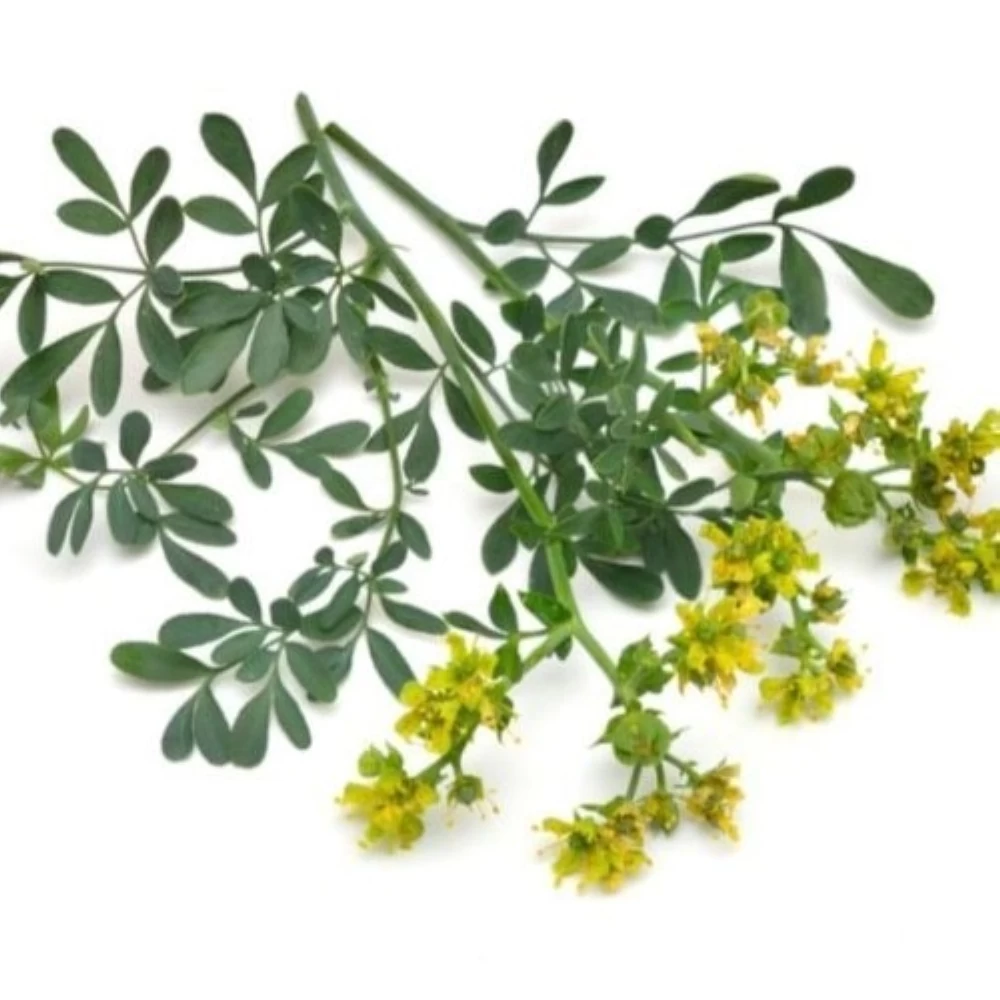
حذرت هيئة الغذاء والدواء السعودية من المخاطر الصحية لعشبة «الشذاب» التي تستخدم في الزينة وطرد الحشرات، ونصحت بعض الفئات التي تستدعي حالتها الحذر والامتناع عن استخدامها.
وأوضحت هيئة الدواء، أن «الشذاب» نبات عطري يستخدم في الزينة وطرد الحشرات، وهي من النباتات عالية الخطورة ولا ينصح باستخدامها على الإطلاق في حالات عدة منها حالات الحمل والرضاعة، ومرضى الكبد والكلى، وتخثر الدم.
وعن الأعراض الجانبية لاستخدام النبتة، تشمل الإرهاق الشديد، واضطرابات النوم، والدوخة، والغثيان، والتشنجات المعوية وآلام البطن.
«الشذاب» معروفة علمياً باسم Ruta graveolens، أو الفيجل أو السيسبان، وهي شجيرة عطرية معمرة تتميّز بأوراقها الخضراء المائلة للزرقة وأزهارها الصفراء الصغيرة. وعلى الرغم من استخدامها التاريخي في الطب الشعبي كمضاد للتقلصات ومسكن للألم، إلا أن الهيئات الصحية الحديثة، وعلى رأسها الهيئة العامة للغذاء والدواء، تحذر رسمياً من الاستخدام البشري الداخلي للعشبة وصنفتها كواحدة من النباتات عالية الخطورة.
وينصح باستخداماتها الآمنة والمعتمدة على الجوانب الخارجية غير الطبية لطرد الحشرات والقوارض نظراً لرائحتها النفاذة، كما تُزرع في الحدائق المنزلية لشكلها وخصائصها العطرية وتستخدم مستخلصاتها أحياناً في تعقيم وتنظيف الأسطح.
The Saudi Food and Drug Authority has warned about the health risks of the herb "Shadhab," which is used for decoration and repelling insects, and advised certain groups to exercise caution and refrain from using it.
The Drug Authority explained that "Shadhab" is a fragrant plant used for decoration and repelling insects, and it is classified as a high-risk plant that should not be used at all in several cases, including pregnancy and breastfeeding, liver and kidney patients, and those with blood clotting disorders.
As for the side effects of using the plant, they include severe fatigue, sleep disturbances, dizziness, nausea, intestinal cramps, and abdominal pain.
"Shadhab" is scientifically known as Ruta graveolens, or rue or sisban, and it is a perennial aromatic shrub characterized by its bluish-green leaves and small yellow flowers. Despite its historical use in folk medicine as an antispasmodic and pain reliever, modern health authorities, led by the General Authority for Food and Drug, officially warn against internal human use of the herb and classify it as one of the high-risk plants.
It is recommended to use it safely and in non-medical external applications for repelling insects and rodents due to its pungent smell, and it is also grown in home gardens for its appearance and aromatic properties, with its extracts sometimes used for disinfecting and cleaning surfaces.