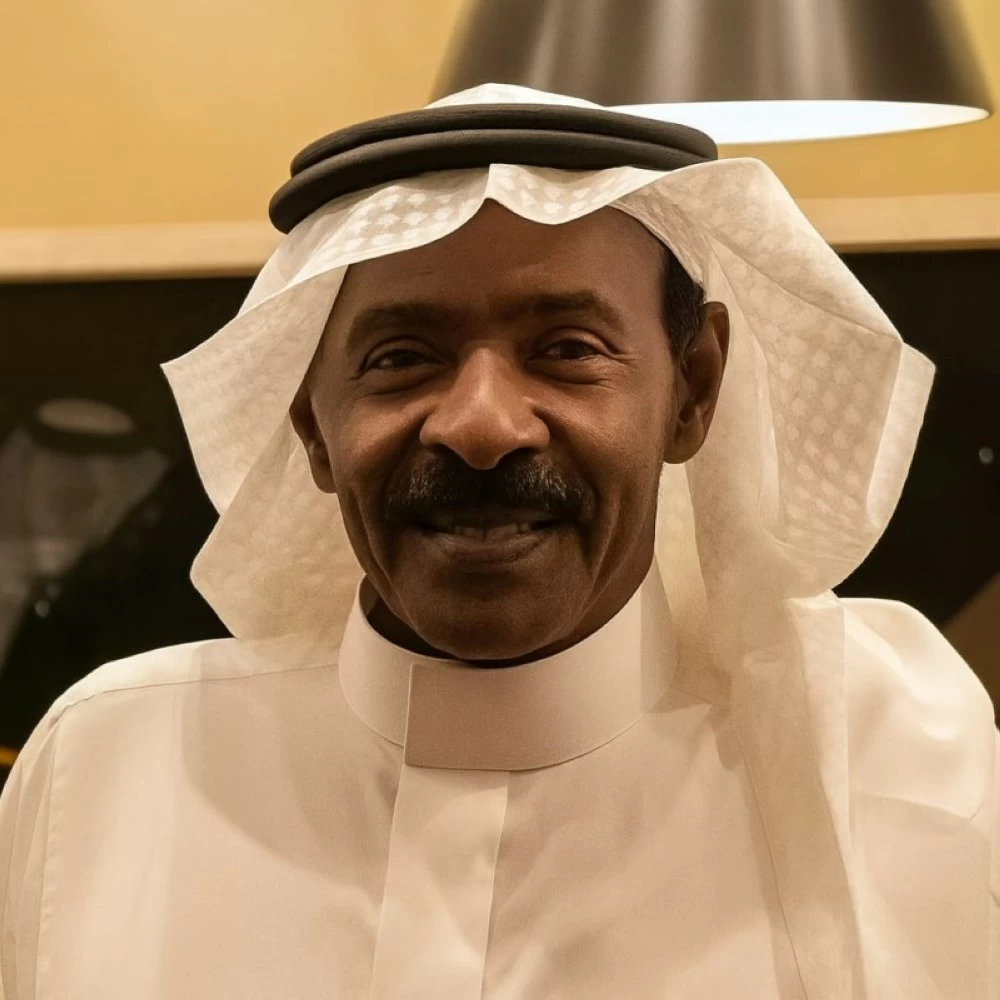
ندرك أن للتخطيط والتأسيس دولة ورجالاً، ولعل نواة التعليم العالي بالوطن الذي انبثق من مهبط الوحي، أم القرى، بأمر المؤسس (طيب الله ثراه) كان رؤيةً ثاقبة لملوكنا ورجالهم في تحقيق تلك الرؤية كنظام أساسي للوطن في دعم التعليم وإشاعته. كل ذلك جدد استحضاره قبيل أيام معدودة نبأ وفاة الدكتور عبدالعزيز بن مصطفى عقاب، العميد المؤسس لكلية العلوم التطبيقية والهندسية بجامعة أم القرى، وهي الكلية الأم لعموم كليات الجامعة العلمية والطبية والحاسوبية. كان، الفقيد من الأفذاذ في قيادته وإدارته، فهو من الفريق الإداري التأسيسي للجامعة إبّان صدور الأمر الملكي من الملك فهد بن عبدالعزيز(رحمه الله)، بتأسيس جامعة أم القرى وتعيين الدكتور راشد بن راجح مديراً لها. تدرج في تحصيله العلمي بحصوله على الدرجة الجامعية من كلية العلوم بجامعة الرياض آنذاك، الملك سعود حالياً، بادئاً مساره المهني من مختبرات وزارة الصحة ثم انتقل للجامعة ومنها ابتعث إلى المملكة المتحدة لنيل درجة الدكتوراه. فعاد إلى الجامعة ليقود مع زملائه تحقيق رؤية القيادة في تأسيس الجامعة ومأسسة التعليم العالي في واحدة من أعرق جامعات المملكة. قد جمع الله له بين الحكمة والرصانة، مع جلال ومكانة، ولم يعرف عنه إلا لين الجانب وسماحة الطبع والتيسير غير المخالف للنظام. كان أسلوبه مع طلابه مختصراً في جملة متحقق معناها منطقاً وفعلاً «أنتم أبنائي». كان بفطرة لا مقصودة، وخروج غير مخل بالعرف الأكاديمي، يتحف طلابه بشيء من تاريخه التحصيلي المهني، غارساً بتلك السرديات بذور المواطنة الحقة فيما ينتقي من حديث. كان من ذلك، ما ذكره الفقيد من لقائه وزملائه خلال بعثته بالملك خالد (رحمه الله)، في رحلته العلاجية للمملكة المتحدة ولقائه أبناءه الطلاب السعوديين هناك، وتلطفه معهم وعطفه الملكي المعهود ومكرمته الكريمة لمن التقاهم في ذاك اللقاء. موقف كهذا يرسخ لمن يتلقاه أصالة المتحدث، ولحمة الوطن. كان من أقواله المأثورة، رحمه الله، بين طلابه «لا يجمع الله لعبده بين عسرين»، مقولة تنبض بالإيمان واليقين من قلب آمن بربه.
العمل الأكاديمي بين الأنداد والأقران وصناعة قراراته، يحتاج إلى دهاء من غير مكر، وحكمة من غير جور، وحلم من غير غدر. ولا يتحقق ذلك إلا بأهل الحكمة والعقل الرصين، والذي كان للفقيد مشعلاً يهتدى به في سبيل تحقيق ذلك. كان مقصداً ومرجعاً لحديثي العهد وقديمه بالشأن الأكاديمي الإداري بالقسم والكلية والجامعة، لما وهبه الله من اتزان ومكانة.
وقد عانى في آخر حياته من شدة المرض، إلا أنه كان صابراً محتسباً، داره مفتوحة للصغير والكبير، كريماً مضيافاُ، لا يحدثك عن ألم أو ضنك، مجلسه مرح كروحه الطيبة. رحل عن دنيانا مقدماً لآخرته تاريخاً تليداً من خدمة الدين والوطن، وأجيالاً من طلابه يترحمون عليه. قدر الله لا مفر منه، ولقاؤه حق، إلا أن للفقد لوعةً، وللأحبة شوقاً يسكنه الدعاء والتضرع للمولى بأن يجعلهم في دار رحمته ومستقر كرامته.
We recognize that planning and establishing a nation requires both a state and its people. Perhaps the foundation of higher education in our homeland, which emerged from the place of revelation, the Mother of Cities, by the order of the founder (may God rest his soul), was a profound vision of our kings and their men in achieving that vision as a fundamental system for the nation in supporting and promoting education. All of this was brought to mind just a few days ago with the news of the passing of Dr. Abdulaziz bin Mustafa Uqab, the founding dean of the College of Applied Sciences and Engineering at Umm Al-Qura University, which is the mother college of all the scientific, medical, and computing colleges at the university. The deceased was one of the distinguished leaders in his management and administration; he was part of the founding administrative team of the university during the issuance of the royal decree from King Fahd bin Abdulaziz (may God have mercy on him) to establish Umm Al-Qura University and appoint Dr. Rashid bin Rajih as its director. He progressed in his academic journey by obtaining his university degree from the College of Science at the University of Riyadh at that time, now King Saud University, starting his professional path from the laboratories of the Ministry of Health, then moving to the university, and from there he was sent to the United Kingdom to obtain his doctorate. He returned to the university to lead, along with his colleagues, the realization of the leadership's vision in establishing the university and institutionalizing higher education in one of the most prestigious universities in the Kingdom. God granted him a combination of wisdom and dignity, along with a noble character and status, and he was known only for his gentleness, kindness, and facilitation that did not contradict the system. His approach with his students was succinctly summarized in a phrase that conveyed a logical and actionable meaning: "You are my children." He had an innate, unintentional manner, and a non-disruptive presence in academic customs, sharing with his students some of his professional academic history, planting the seeds of true citizenship through the stories he chose to share. Among these was what the deceased mentioned about his meeting with his colleagues during his scholarship with King Khalid (may God have mercy on him) during his medical trip to the United Kingdom and his meeting with his Saudi student sons there, showing kindness and royal compassion, and his generous gifts to those he met in that encounter. Such a stance reinforces for those who receive it the authenticity of the speaker and the unity of the nation. One of his famous sayings, may God have mercy on him, among his students was, "God does not combine two hardships for His servant," a saying that resonates with faith and certainty from a heart that believes in its Lord.
Academic work among peers and the making of its decisions requires cleverness without deceit, wisdom without injustice, and patience without treachery. This can only be achieved by those endowed with wisdom and sound intellect, which the deceased embodied as a guiding light in the pursuit of this goal. He was a destination and a reference for both newcomers and those well-versed in academic administrative matters at the department, college, and university, due to the balance and status that God granted him.
In the last years of his life, he suffered from severe illness, yet he remained patient and steadfast, keeping his home open to both young and old, generous and hospitable, never speaking of pain or hardship, and his gatherings were as cheerful as his good spirit. He departed from our world, leaving behind a glorious legacy of service to religion and the nation, and generations of his students who pray for him. God's decree is inevitable, and meeting Him is certain, yet loss brings sorrow, and the loved ones feel a longing that is soothed by prayer and supplication to the Almighty to place them in His abode of mercy and the resting place of His honor.