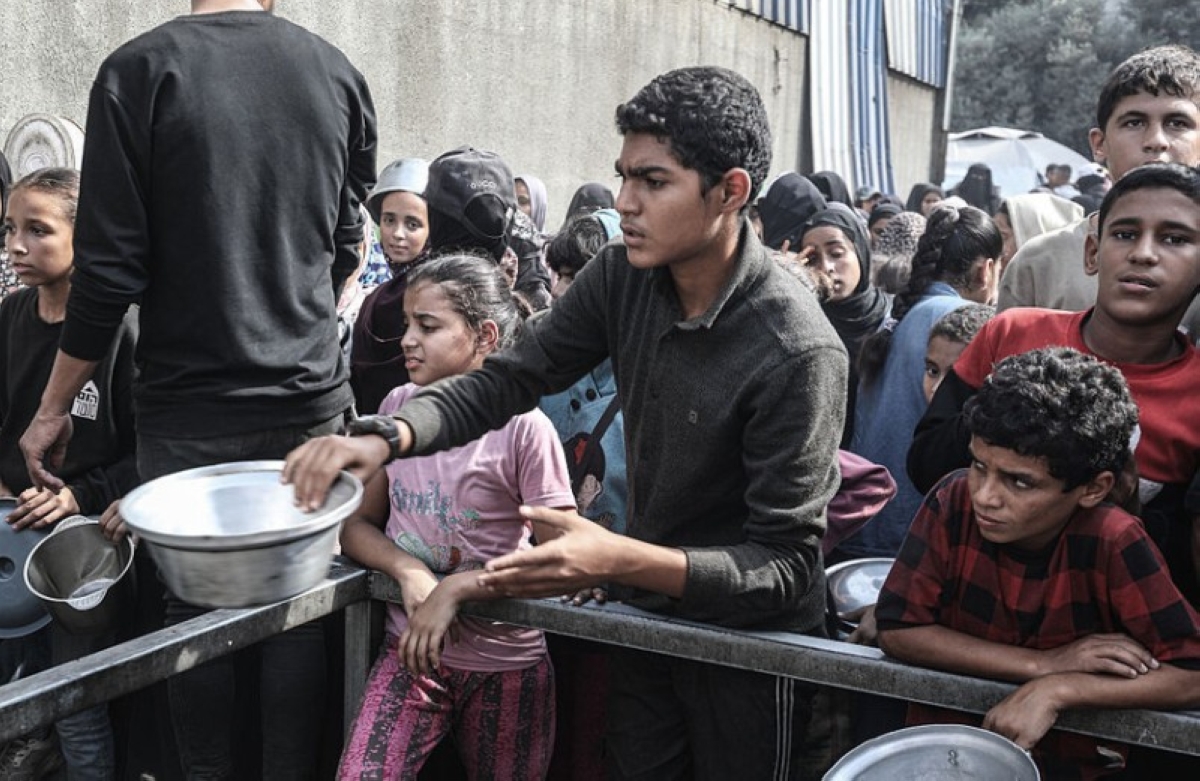
حذرت منظمة الأمم المتحدة للطفولة «يونيسف»، من وجود أكثر من مليون طفل في قطاع غزة يواجهون شبح الموت، مؤكدة أنهم يفتقرون إلى الماء والغذاء الكافيين. وأفادت بأن آلاف الأطفال ينامون جياعا رغم سريان وقف إطلاق النار.
واعتبرت المتحدثة باسم المنظمة تيس إنغرام، أن وقف إطلاق النار يعد «خبرا جيدا»، لكنه لا يكفي لإنهاء معاناة الجوع أو لضمان وصول مياه الشرب الآمنة إلى العائلات.
وأكدت تيس أن البنى التحتية للمياه والرعاية الصحية في القطاع تعرضت لدمار واسع، وأن العائلات ما زالت تكافح يوميا من أجل البقاء في ظل تدمير المستشفيات ونقص الإمدادات الأساسية. ولفتت إلى أن المساعدات الإنسانية شهدت زيادة طفيفة منذ بدء الهدنة، غير أن الكميات الواصلة إلى القطاع ما تزال أقل بكثير من مستويات ما قبل الحرب، ولا تلبي سوى جزء بسيط من الاحتياجات الهائلة للسكان.
وذكرت المتحدثة أن آلاف الأطفال في غزة يواصلون النوم جياعا، فيما يعاني آخرون من الألم داخل المستشفيات دون تلقي العلاج اللازم بسبب النقص الحاد في الأطباء والأدوية.
وجددت التأكيد على أن الوضع الإنساني ما زال خطيرا للغاية، وأن الجهود الدولية يجب أن تتركز على ضمان تدفق المساعدات بشكل مستدام لتلبية احتياجات الأطفال والعائلات التي تواجه خطر الجوع والمرض يوميا.
The United Nations Children's Fund (UNICEF) warned that more than one million children in the Gaza Strip are facing the specter of death, confirming that they lack sufficient water and food. It reported that thousands of children are going to bed hungry despite the ceasefire being in effect.
The organization's spokesperson, Tis Ingram, considered the ceasefire to be "good news," but stated that it is not enough to end the suffering of hunger or to ensure the delivery of safe drinking water to families.
Tis confirmed that the water and healthcare infrastructure in the region has suffered extensive destruction, and families are still struggling daily to survive amid the destruction of hospitals and the shortage of essential supplies. She noted that humanitarian aid has seen a slight increase since the ceasefire began, but the quantities reaching the region are still far below pre-war levels and only meet a small portion of the enormous needs of the population.
The spokesperson mentioned that thousands of children in Gaza continue to go to bed hungry, while others are suffering in hospitals without receiving the necessary treatment due to the severe shortage of doctors and medicines.
She reiterated that the humanitarian situation remains extremely dire, and international efforts must focus on ensuring a sustainable flow of aid to meet the needs of children and families facing the daily threat of hunger and disease.