يقف لبنان اليوم أمام واحدة من أدق لحظاته السياسية، الجنوب لم يعد ساحة هدوء نسبي، بل أصبح المؤشر الأقوى على قدرة الدولة على فرض شروطها، في وقت تتحوّل المفاوضات القادمة مع إسرائيل إلى الاختبار الأهم لهذا القرار.
والسؤال لم يعد ما إذا كانت المفاوضات ستجري، بل أي شكل ستأخذه: مباشرة تحت ضغط أمريكي متصاعد، أم غير مباشر عبر آلية تمنح الدولة مساحة محدودة لإدارة التفاوض ضمن إطار داخلي متفق عليه؟.
في الحالتين، لبنان مدعو إلى الإجابة عن سؤال أبعد من الشكل: هل يمتلك القدرة على تحويل التفاوض إلى أداة لاستعادة قراره، أم سيكون مجرد طرف يتلقى الشروط؟
المشهد الإقليمي، تصدّره تصريح المبعوث الأمريكي توم براك الأخير؛ الذي وضع من خلاله لبنان أمام معادلة واضحة: السير بخطوات ملموسة نحو نزع سلاح حزب الله، أو مواجهة تحرك إسرائيلي يُعيد رسم الحدود الواقعية على الأرض. فلبنان -وفق تصريح براك- هو الامتداد الطبيعي لعملية السلام بعد سورية، ونزع سلاح «الحزب» شرط أساسي لتحقيق الأمن الإقليمي.
الرسالة الأمريكية التي حملت عنوان «الفرصة الأخيرة»، تمهيد لما هو أخطر على لبنان مع سقوط اتفاقية الهدنة والقرار 1701 واتفاق 27 أكتوبر من الأجندة الإسرائيلية، فهي تهدف للضغط على لبنان للتفاوض المباشر ووضع ترتيبات أمنية أبعد من اتفاق 17 أيار.
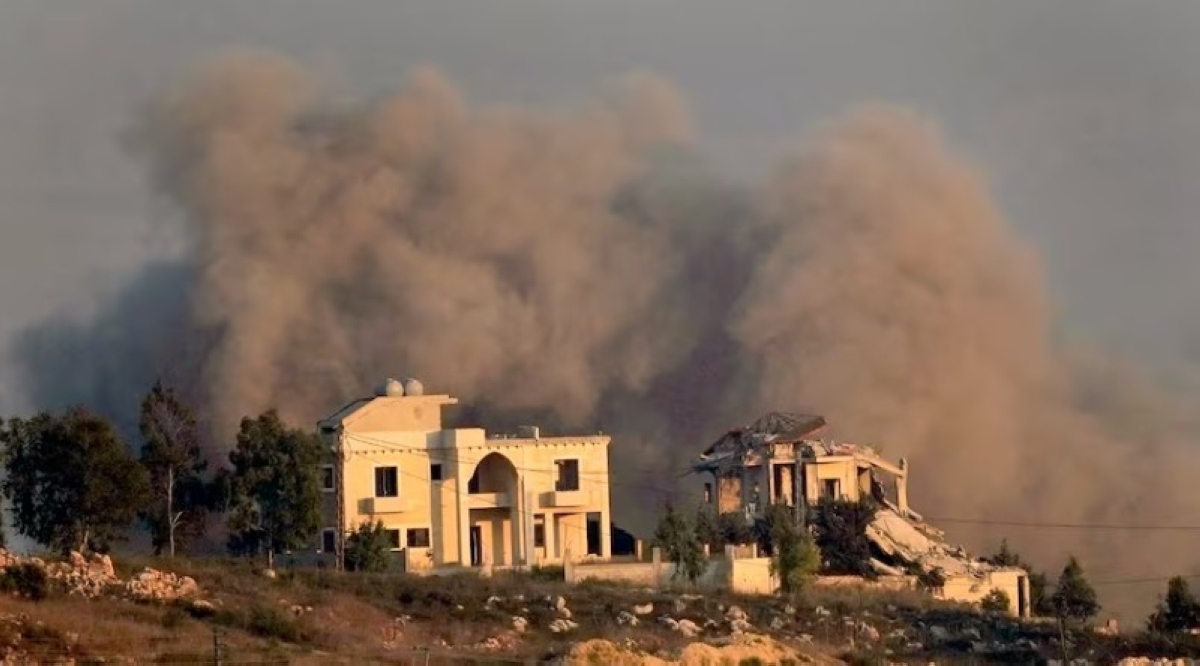
أما المشهد الأمني فيعكس هذه المعادلة بوضوح؛ عمليات برية ومناورات مكثفة على الحدود، تترافق مع تحليق مستمر للمسيرات الإسرائيلية فوق الجنوب والبقاع والعاصمة بيروت، مروراً بالقصر الجمهوري والسراي الحكومي والمطار، في إطار توجيه رسائل عملية تهدف لإعادة صياغة قواعد اللعبة، ومراقبة ردود الدولة اللبنانية، وقياس قدرتها على إدارة ملف التفاوض قبل الجلوس إلى أي طاولة، في وقت يبدو أن كلَّ شبرٍ من الأجواء اللبنانية أصبح جزءاً من هذه المعادلة الدقيقة.
فيما المشهد السياسي الداخلي لا يزال ملبداً، فبعد أسبوع على إعلان الرئيس اللبناني جوزف عون ضرورة وقف العمليات العسكرية الإسرائيلية لبدء مسار التفاوض غير المباشر، مستفيداً من تجربة ترسيم الحدود البحرية، نعى رئيس مجلس النواب نبيه بري هذا المسار، معتبراً أن إسرائيل هي من أسقطت مسار التفاوض المقترح، وأن مسار الميكانيزم يظل الإطار الوحيد المعتمد، (وهي الآلية التي تضم ممثلين للدول المعنية والراعية لاتفاق وقف العمليات العدائية الذي أنهى حرب لبنان الأخيرة في نوفمبر الماضي).
ومع ذلك، لم تصدر عن إسرائيل أي تصريحات رسمية تؤكد رفضها لأي صيغة تفاوضية، وفي ظل غياب تعليق أمريكي مباشر لما يجري تداوله، يصبح الموقف المباشر من طاولة المفاوضات مرهوناً بتقييمات السلطات اللبنانية وقراءات المبعوثين الدوليين.
من الآن وحتى نهاية العام، سيواجه لبنان ثلاثة سيناريوهات أو مسارات، تشكِّل في مجملها خارطة ضغوط متشابكة أكثر منها بدائل مستقلة:
المسار غير المباشر عبر الميكانيزم يمنح بيروت قدرة على تأجيل الصدام الداخلي والحفاظ على الاستقرار، لكنه لا يضمن تثبيت السيادة الكاملة على القرار الأمني، إذ تبقى المبادرة في يد الخارج.
المسار المباشر بإشراف وضغط أمريكي على الطرفين يفتح الباب أمام تفاهمات جزئية مع إسرائيل قد تترجم لاحقاً في ترتيبات حدودية، لكنه يحمل خطر انقسام سياسي حاد في لبنان قد يهدد تماسك السلطة نفسها.
التصعيد الإسرائيلي يبقى احتمالاً قائماً في حال تأخر لبنان عن التقاط الفرصة الأخيرة، كما وصفها براك؛ ما يعني أن الجنوب قد يدخل مرحلة من «الاختبار بالنار» تُستخدم للضغط على الدولة وإجبارها على التفاوض بشروط غير متكافئة.
وفي نهاية المطاف، سيُختبر لبنان في المرحلة الجديدة: هل سيظل مجرد متلقٍ للضغوط، أم سيحاول استثمار هامش محدود من المبادرة ليحدد موقعه؟
Lebanon stands today at one of its most delicate political moments; the south is no longer a relatively calm arena, but has become the strongest indicator of the state's ability to impose its conditions, at a time when the upcoming negotiations with Israel are turning into the most important test of this decision.
The question is no longer whether negotiations will take place, but what form they will take: direct under increasing American pressure, or indirect through a mechanism that grants the state a limited space to manage negotiations within an agreed internal framework?
In either case, Lebanon is called to answer a question that goes beyond the form: does it have the ability to turn negotiations into a tool for regaining its decision, or will it merely be a party that receives conditions?
The regional scene is dominated by the recent statement of American envoy Tom Barak; through which he placed Lebanon before a clear equation: take tangible steps towards disarming Hezbollah, or face an Israeli move that redraws the real borders on the ground. According to Barak's statement, Lebanon is the natural extension of the peace process after Syria, and disarming the "party" is a prerequisite for achieving regional security.
The American message, titled "the last opportunity," paves the way for something more dangerous for Lebanon with the collapse of the ceasefire agreement, Resolution 1701, and the October 27 agreement from the Israeli agenda, as it aims to pressure Lebanon into direct negotiations and establish security arrangements beyond the May 17 agreement.
As for the security scene, it clearly reflects this equation; ground operations and intensive maneuvers on the borders are accompanied by continuous flights of Israeli drones over the south, Bekaa, and the capital Beirut, passing by the presidential palace, the governmental serail, and the airport, as part of practical messages aimed at reshaping the rules of the game, monitoring the responses of the Lebanese state, and measuring its ability to manage the negotiation file before sitting at any table, at a time when it seems that every inch of Lebanese airspace has become part of this delicate equation.
Meanwhile, the internal political scene remains clouded; a week after Lebanese President Joseph Aoun announced the necessity of stopping Israeli military operations to begin the indirect negotiation process, benefiting from the experience of maritime border demarcation, Speaker of Parliament Nabih Berri mourned this path, considering that Israel is the one who has undermined the proposed negotiation process, and that the mechanism path remains the only adopted framework, (which is the mechanism that includes representatives of the concerned states and sponsors of the ceasefire agreement that ended the last Lebanon war last November).
However, no official statements have been issued by Israel confirming its rejection of any negotiation format, and in the absence of a direct American comment on what is being circulated, the direct position from the negotiation table is contingent on the assessments of the Lebanese authorities and the readings of international envoys.
From now until the end of the year, Lebanon will face three scenarios or paths, which together form a map of intertwined pressures rather than independent alternatives:
The indirect path through the mechanism grants Beirut the ability to postpone internal clashes and maintain stability, but it does not guarantee the full sovereignty over the security decision, as the initiative remains in the hands of external parties.
The direct path under American supervision and pressure on both parties opens the door to partial understandings with Israel that may later translate into border arrangements, but it carries the risk of sharp political division in Lebanon that could threaten the cohesion of the authority itself.
The Israeli escalation remains a looming possibility if Lebanon delays seizing the last opportunity, as Barak described it; which means that the south may enter a phase of "testing by fire" used to pressure the state and force it to negotiate under unequal conditions.
In the end, Lebanon will be tested in this new phase: will it remain merely a recipient of pressures, or will it attempt to invest a limited margin of initiative to define its position?